



Category
Tech
Delegated Interfaces
QR codes placed in peculiar places encourage interactivity everywhere.
Trend
Scan Marketing: The QR code has gone from being a factory tracking system to an interactive marketing tactic, with more and more companies integrating the code into unconventional mediums to increase consumer engagement. Becoming a relevant symbol on its own in pop culture, the QR code signifies the consumer appreciation for technology and a corresponding way to enhance interactive marketing.
Trend themes
Companies are integrating QR codes into unconventional mediums to increase consumer engagement, creating a new form of interactive marketing.
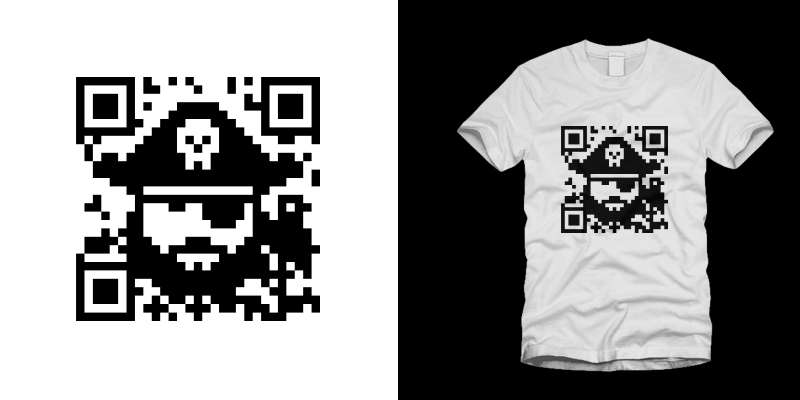
As QR code imagery becomes more mainstream, graphic artists are now capitalizing off the familiarity of pixelated imagery to attract consumer attention.
As QR codes have become increasingly popular, marketers are now creating interesting, edible QR codes to attract customer attention.
Industry implications
Marketers can leverage QR code integration to create new forms of interactive marketing and boost customer engagement.
As graphic designers capitalise off pixelated imagery, broader industries should pay attention to visual design and digital media trends.
Edible QR codes can be used to promote new menu items or products, and can be a fun way to incorporate technology into culinary experiences.
Trend signals
Trend score 4.5 out of 10, from popularity 68%, activity 59%, freshness 8%.
Evidence
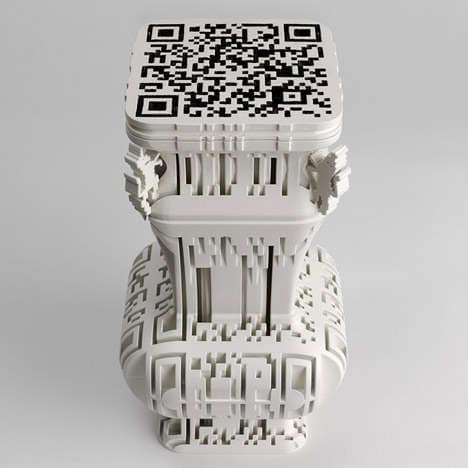
Lab Craft at Tent London Showcases Amazing Digital Art
The use of AI in digital art creation offers limitless possibilities for innovation in the art industry.
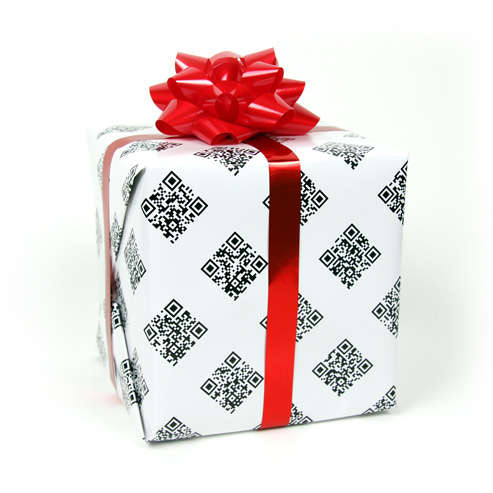
The QRapping Paper Might Make the Present Inside Irrelevant
The gift wrapping industry can incorporate interactive features, such as QR codes, to offer unique and engaging products.
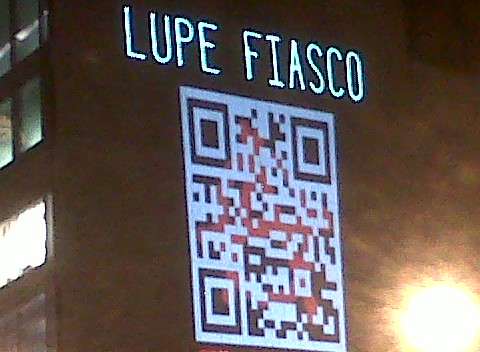
The Lupe Fiasco QR Code Interactively Promotes 'Lasers'
Promoting albums or artists through innovative marketing tactics.
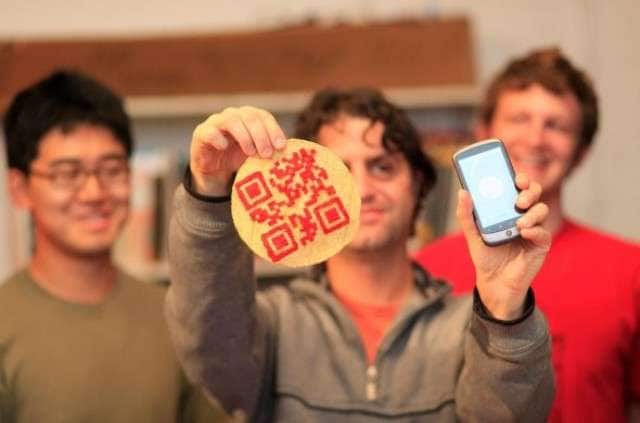
The Edible QR Competition Creates Tasty Mobile Marketing
The food and beverage industry can explore new marketing strategies by incorporating edible QR codes to enhance customer engagement and brand awareness.
The Augmented Reality T-Shirt is One Clever Design
The fashion industry can capitalize on the popularity of augmented reality and QR codes by partnering with graphic artists to create unique collections and immersive shopping expe…
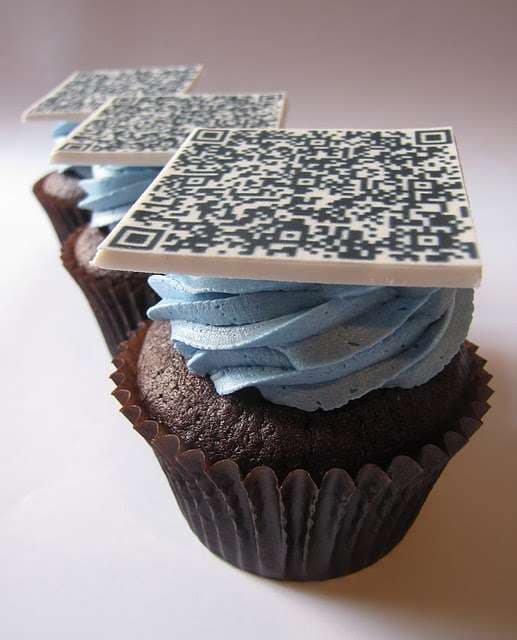
The QR Code Cupcakes are the Best Thing to Come Out of Montreal Since Parizeau
Opportunities for bakeries and food manufacturers to incorporate QR codes and edible technology into their products, creating a new level of customer interaction.






