Category
Lifestyle
Portable Mornings
The Food-As-Medicine Movement Improves Consumer Eating Habits.
Trend
Medicinal Food: Healthcare providers, insurers and food brands are embracing food‑as‑medicine programs that deliver medically tailored meals designed to support specific conditions such as diabetes, heart disease or post‑hospital recovery. These offerings reflect a growing demand for clinically aligned eating.
Insight
People managing chronic conditions often feel overwhelmed by conflicting diet advice and unsure how to turn medical guidance into everyday meals. Traditional diets can feel restrictive, while generic meal kits lack clinical relevance. Brands recognize these challenges and respond with medically tailored programs that offer convenient, evidence-aligned nutrition that reduces confusion and supports long-term health goals, helping users feel more confident and in control of their wellbeing.
Trend themes
The rise of weight-loss medications is creating space for nutrition programs that synchronize meals with appetite shifts, dosage schedules and metabolic targets.
Clinical evidence, policy frameworks and payer interest are turning medically tailored meals into covered services rather than short-term wellness pilots.
Benefit cards and digital platforms are reframing grocery access around prescribed dietary needs for diabetes, heart health, maternal health and recovery.
Industry implications
Hospitals, clinics and care teams are increasingly positioned around nutrition as a measurable extension of chronic disease management and post-discharge support.
Payers have new pathways to link food benefits, medication adherence and preventive care into bundled models tied to improved outcomes.
Meal providers, grocers and regional farms are becoming part of clinical supply chains through locally sourced, medically aligned food programs.
Workshop question
Trend signals
Trend score 6.4 out of 10, from popularity 57%, activity 51%, freshness 84%.
Evidence
The Food Is Medicine Coalition and Partners Release a New Framework
Payer organizations face opportunities to redesign coverage models and risk-sharing arrangements around documented clinical outcomes tied to medically tailored meals.
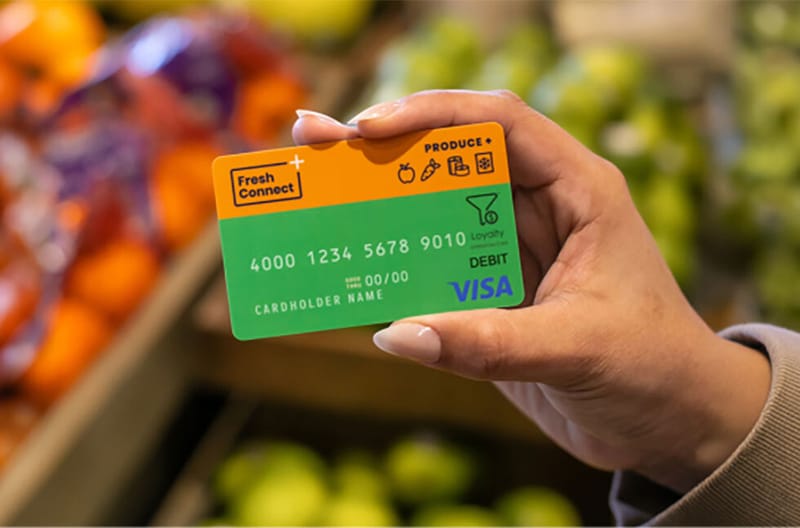
Fresh Connect Now Offers Four Benefit Cards and an App
Payers can be transformed by integrating nutrition benefits into coverage, shifting spending from acute care toward preventive food-based interventions.
WellCare of Kentucky Expands Food is Medicine Program
Value-based insurers covering medically tailored meals indicate potential to redefine cost drivers in chronic disease management and reduce avoidable utilization.
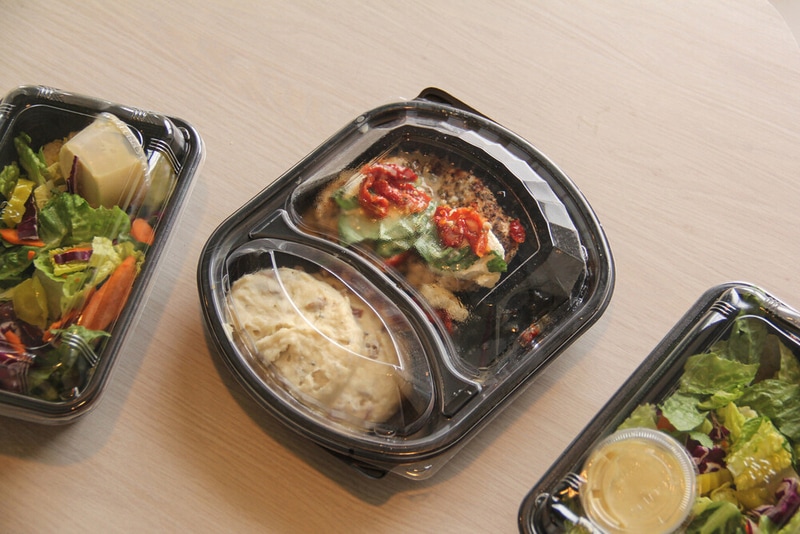
Nimbus Meals by Snap Kitchen Help to Nourish GLP-1 Users
Innovations in the healthcare industry are expanding to include integrated care packages that optimize medical treatment with personalized dietary plans.