
Category
Tech
Fixable Devices
Brands Incorporate AI-Powered, Connected Features into Bird Feeders for Tracking.
Trend
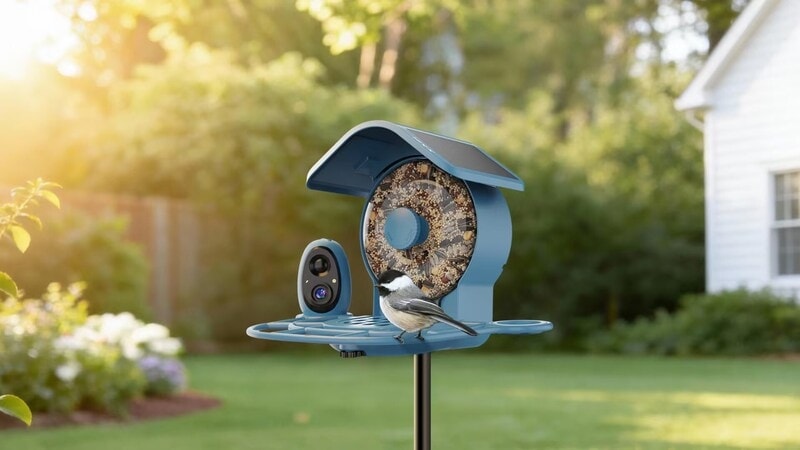
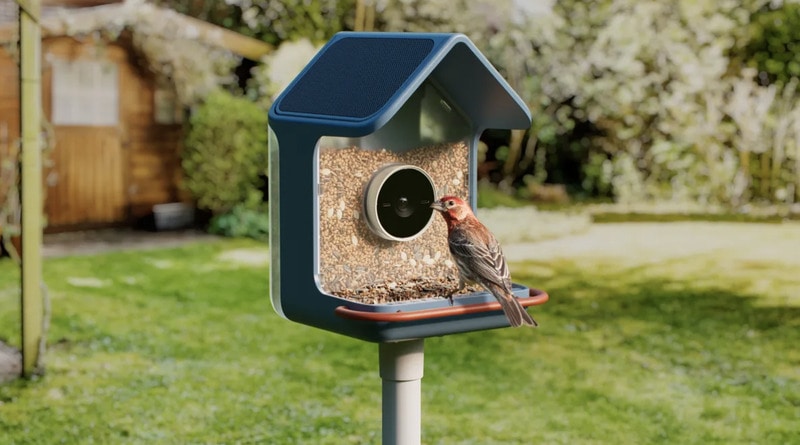
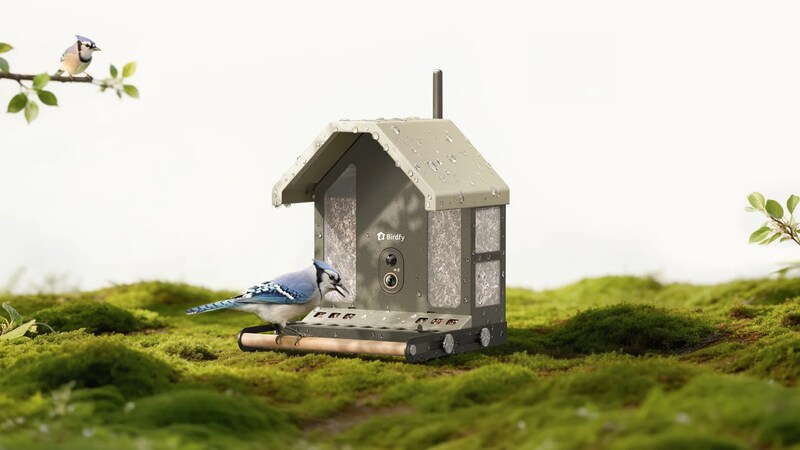
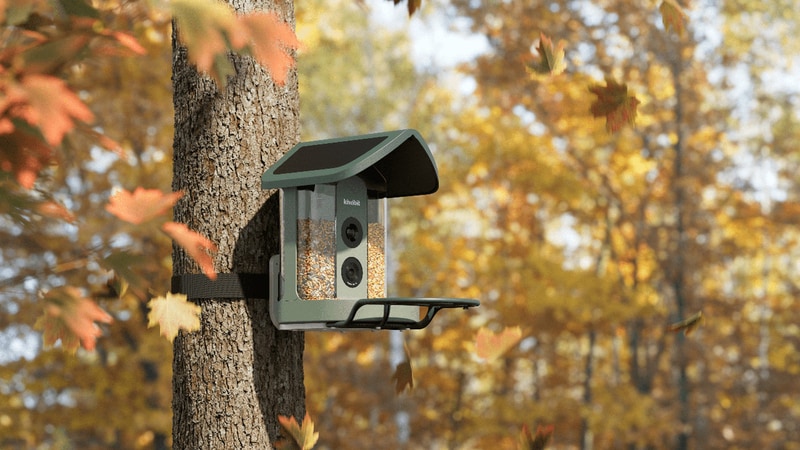
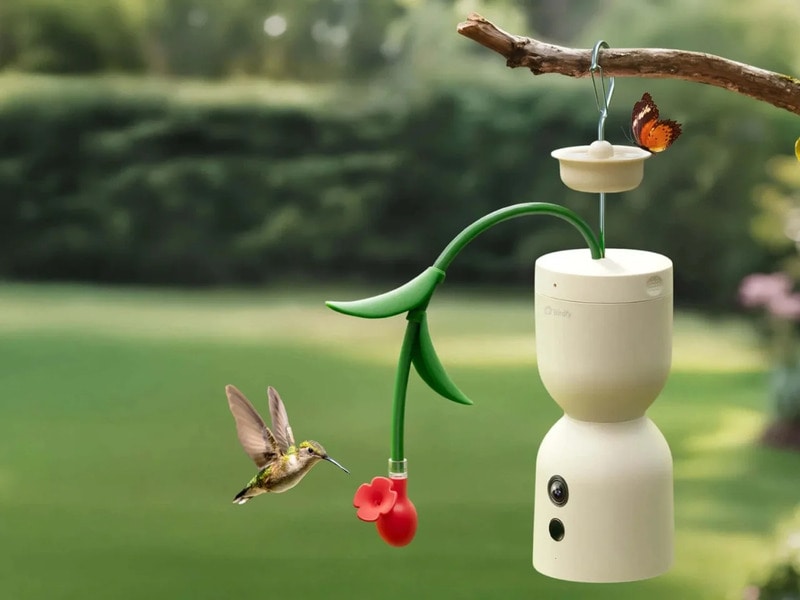
Smart Feeder: Brands are launching AI‑enabled birdfeeders equipped with integrated cameras, species‑recognition models and app‑based alerts. These devices automatically identify visiting birds, capture close‑up footage and provide real‑time insights, turning backyard feeding into educational experiences.
Insight
Many people want to feel closer to nature but lack the time, knowledge or proximity to observe wildlife meaningfully. Traditional birdfeeders offer charm but little context, leaving users unsure which species they’re seeing or missing visits entirely. At the same time, consumers increasingly expect everyday objects to be connected, intelligent and personalized. AI?powered birdfeeders bridge these gaps by offering instant identification and automatic recordings.
Trend themes
Embedded species-recognition models are turning casual backyard sightings into personalized biodiversity data, creating room for smarter consumer devices that classify, archive and contextualize wildlife interactions automatically.
App-linked feeders, alerts and remote viewing features reflect a shift toward always-on nature access, where ordinary outdoor objects become interactive platforms for education, relaxation and community sharing.
Motion-triggered 4K cameras and slow-motion capture are reframing wildlife observation as effortless content creation, opening space for niche devices that transform fleeting animal behavior into reusable media.
Industry implications
Compact cameras, AI chips, sensors and solar power systems are expanding the connected-device market beyond the home interior into weather-ready products built for gardens, balconies and patios.
Backyard accessories are becoming intelligent habitat touchpoints, with potential for feeders, planters and garden structures that combine aesthetics, durability and real-time environmental insight.
Wildlife data, species logs and visual recordings can support informal science learning, citizen observation and family engagement through tools that make ecological knowledge more accessible.
Workshop question
Trend signals
Trend score 7.5 out of 10, from popularity 73%, activity 70%, freshness 82%.
Evidence
COOLFLY will Debut the 'Aura Smart Bird Feeder' at CES 2026
Birdbuddy 2 Mini Offers AI Bird Detection at CES 2026
Companies in this industry can explore opportunities in AI-enhanced and compact smart devices that appeal to environmentally-aware consumers.
The Birdfy Feeder Metal 2 Captures Avian Footage in 4K
Conservation programs can leverage automated species recognition and persistent imaging to enhance population monitoring, habitat assessment, and endangered species tracking.
The Kiwibit Bird Feeder 2 Has AI Species Recognition and Feeding
Durable, weatherproof smart feeders merge camera, AI, and connectivity requirements that drive demand for ruggedized, low-power consumer devices.
Hum Bloom by Birdfy Records 4k Slow Motion Hummingbird Visits
Adapting smart home technology for garden usage introduces a novel intersection between domestic convenience and outdoor biodiversity engagement.