

Category
Tech
Autonomy Stacks
Everyday devices are taking on decision support roles to reduce screen time.



Trend
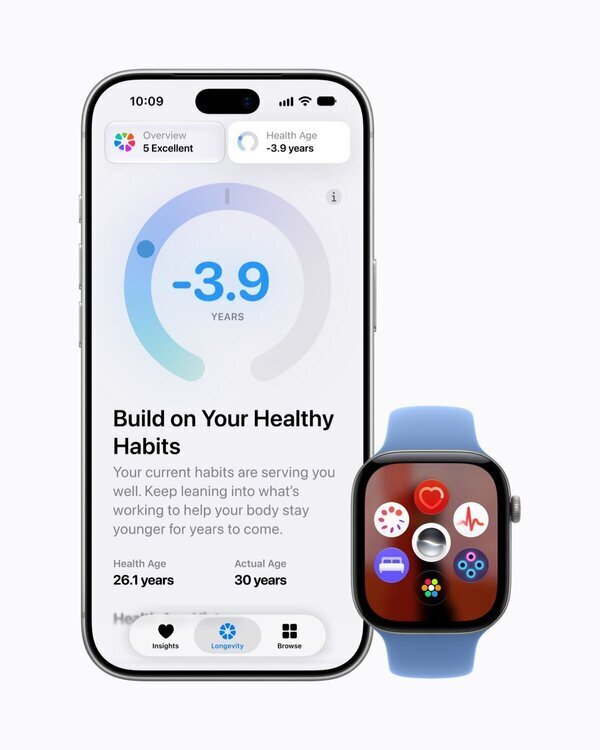
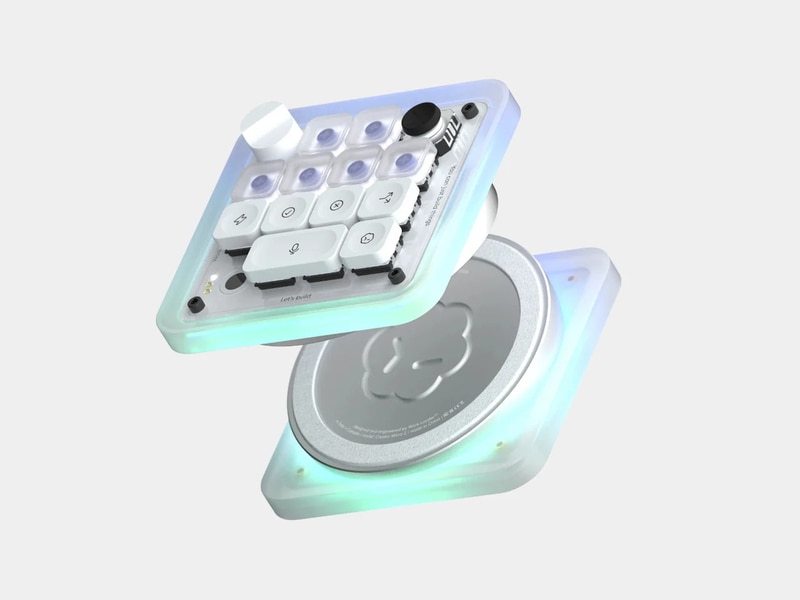
Ambient Assistance: AI is moving out of standalone apps and chatbot-centered experiences to offer support that feels convenient, more physical, and better integrated into the flow of a routine. Screenless devices for health, productivity and communication are emerging to offer an added layer of intelligence and reduced friction, while leaving final judgment in the hands of the user.
Trigger
Consumers want help managing high volumes of information and small decisions, but many do not want to do so through another app, dashboard or chatbot that adds complexity to personal and professional tasks. Overtly interactive AI can compound the decision fatigue it’s meant to relieve since every prompt, confirmation or chat exchange demands engagement and adds cognitive load. Low-friction, embedded assistance designed into existing routines and workflows earns trust the way a good assistant does by proving competence over time.
Workshop question
Trend signals
Trend score 8.6 for the week of Jul 20, 2026. Momentum 7.2/10, persistence 0.0/10, backed by 4 research findings.
Evidence
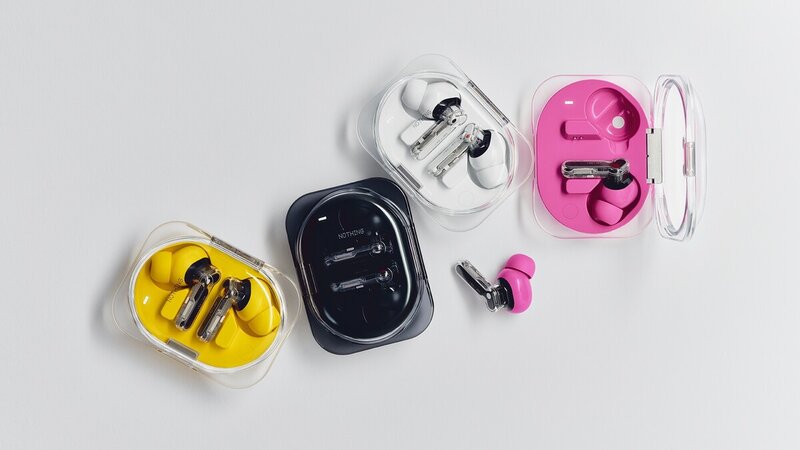
Nothing Adds AI Audio Recording and Transcription to Ear (3a)
Smart audio devices are expanding into multifunctional platforms, giving hardware brands new recurring revenue paths through AI features, cloud storage, and app-based productivity…
Samsung Intelligent Eyewear is an AI-Powered Smart Glasses System
AI-enabled eyewear expands the personal device category beyond smartphones and earbuds, opening new value in hands-free contextual computing.
The Codex Micro Provides Dedicated Hardware Controls for Managing AI Agents
Specialized macropads for AI tools create room for premium input devices tailored to emerging software behaviors rather than general computing needs.
Burtran Combines EEG Sensing, Warming Therapy and Binaural Audio
Portable recovery hardware expands wearables beyond fitness tracking into therapeutic, personalized and lifestyle-integrated wellness support.
Grok 4.5 Brings Embedded AI to Coding and Office Work
Business platforms that integrate AI at the workflow level can redefine productivity software by combining collaboration, automation, and decision support in one environment.
6 Trend Hunter articles were grouped into the wider weekly cluster this trend was identified in, over 1 week.
Research
AI Co-Pilot Comfort
People are overwhelmed by information and tasks but wary of ceding full control to opaque systems.
Framing AI as a co‑pilot—something that drafts, suggests, and nudges while leaving humans in charge—resolves this tension by promising relief without erasing agency. Brands that design AI experiences around assistance, transparency, and emotional sensitivity can reduce anxiety and drive adoption, while those that feel too autonomous or inscrutable risk backlash.
Human-AI Copilots
Consumers and workers are wary of full automation but open to AI that clearly augments rather than replaces them.
Positioning AI as a bounded assistant with human override helps resolve anxieties about job loss and dehumanization. Organizations that design for explicit human-in-the-loop workflows can harness AI efficiency gains while preserving a sense of agency and accountability.
Predictive Health Wearables
People want to understand their bodies in real time but don’t have the expertise—or patience—to parse raw data.
By layering AI interpretation and predictive insights onto passive sensing, wearables promise to answer the question, ‘What should I do right now?’ rather than just displaying metrics. Brands that translate streams of biometrics into actionable, reassuring guidance tap into a hunger for control and early warning, especially amid anxiety about chronic disease and longevity.
Hybrid Wellness Tech
People want the efficiency and insight of AI and wearables but remain wary of opaque automation in something as intimate as health.
Hybrid models—where technology collects data, surfaces insights, and suggests options while humans retain interpretive authority—resolve this tension. They let consumers feel empowered and informed without feeling replaced or judged by algorithms, turning AI into a trusted co-pilot rather than an unaccountable gatekeeper.