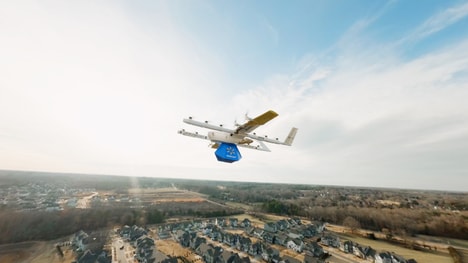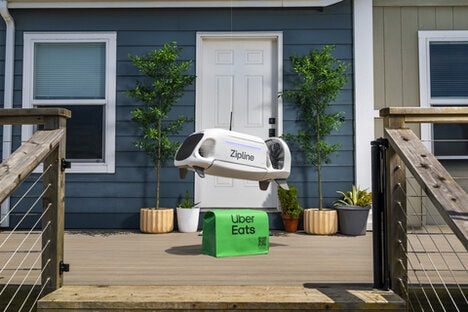
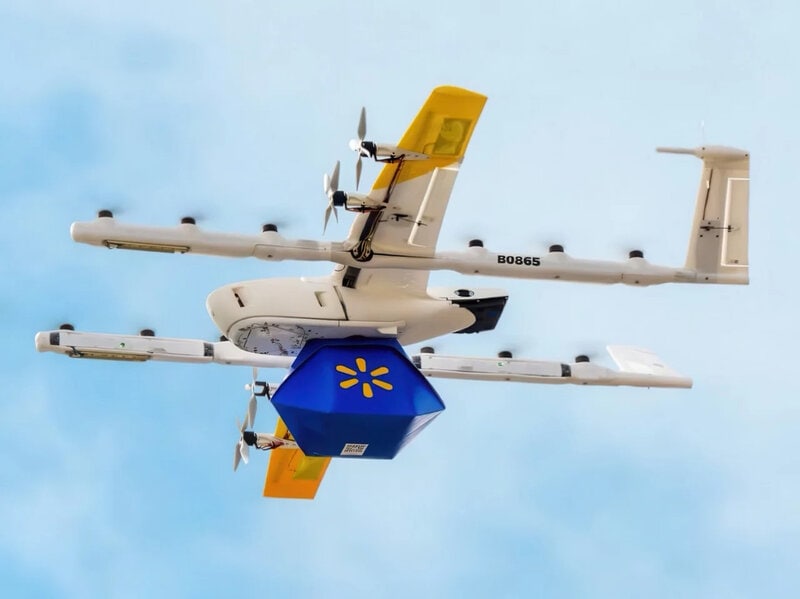
Wing is expanding retail delivery with 'Hummingbird,' a drone that lowers small parcels on a tether instead of dropping them in a yard. The service is headed to Denver and Seattle through Walmart, giving shoppers a faster way to get everyday items without waiting for a van at the curb.
The aircraft cruises at up to 60 mph and can carry up to five pounds, making it well suited for quick, light orders that most often need the shortest turnaround. Wing says groceries can arrive in as little as 30 minutes, with its own average at 23 minutes, which makes the service feel less like an experiment and more like a usable delivery lane.
For shoppers, this means the drone run is built around small, practical purchases rather than bulk drops. It also raises expectations for how accurately a delivery has to land, since the whole point is speed without splash-zone drama.
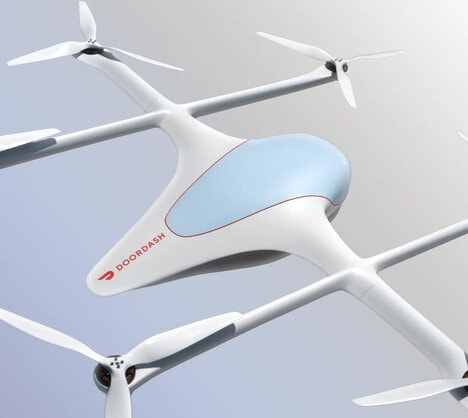
Image Credit: Yanko Design - Modern Industrial Design News
Key Themes Behind This Trend
- Tethered Drone Drop-off
- Tether-based parcel lowering creates room for safer, more precise last-meter delivery systems that reduce property risk and improve customer trust.
- Micro-order Fulfillment
- Small basket sizes are becoming a viable logistics category as faster airborne delivery reframes convenience around immediate household needs.
- Sub-30-minute Retail
- Ultra-fast delivery windows signal a shift toward distributed inventory models where retailers compete on proximity, automation, and speed.
Where This Applies
- Retail
- Big-box retailers can differentiate everyday shopping by integrating drone delivery as a dependable channel for lightweight essentials.
- Logistics
- Autonomous aerial fleets introduce new service models for short-range fulfillment that complement vans, couriers, and curbside pickup.
- Grocery
- Fresh and packaged grocery delivery gains a faster option for urgent items, encouraging new approaches to inventory selection and neighborhood coverage.