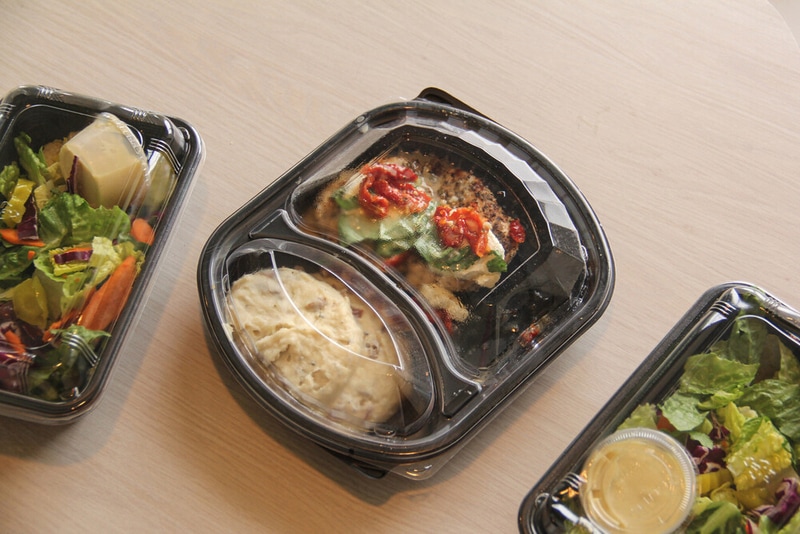
The healthcare organization WellCare of Kentucky announced the launch of its Food is Medicine Program in Eastern Kentucky — a $550,000 initiative designed to address growing diabetes rates in rural Appalachian communities through nutrition-based interventions for eligible Medicaid enrollees.
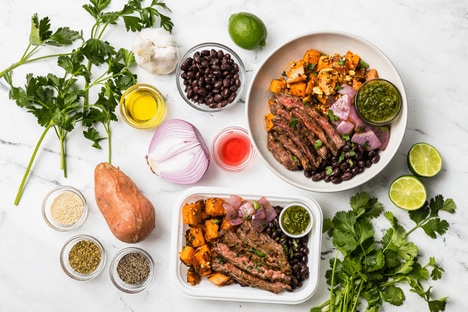
The Food is Medicine Program was developed in partnership with Mountain Comprehensive Health Corporation and Community Agricultural Nutritional Enterprises. It will provide individuals with weekly home-delivered, medically tailored meals, recipes, and educational materials for up to three years. The goal is to support chronic disease management.
For individuals struggling to access healthy food due to geographic isolation or limited mobility, the home-delivered meal service could remove significant barriers to proper nutrition. Ingredients for the Food is Medicine Program include Appalachian-grown produce through CANE. As such, WellCare of Kentucky's initiative also stands to support local agriculture.
Image Credit: WellCare of Kentucky
What's Driving This Trend
- Medically Tailored Meals
- Integration of clinician-prescribed, home-delivered nutrition represents a shift that can disrupt traditional chronic care models by aligning food provision with medical treatment.
- Food Is Medicine Partnerships
- Collaborations between payers, community health centers, and local farms highlight a model that could upend care delivery economics by embedding nutrition services into Medicaid benefits.
- Rural Nutrition Access Solutions
- Home delivery combined with localized sourcing for geographically isolated patients signals an alternative logistics approach that may challenge existing supply chains and address rural food deserts.
Who This Affects Most
- Healthcare Payers
- Value-based insurers covering medically tailored meals indicate potential to redefine cost drivers in chronic disease management and reduce avoidable utilization.
- Community Agriculture
- Regional farms supplying ingredients to clinical nutrition programs point to a farm-to-clinic revenue stream that could transform agricultural business models in Appalachian communities.
- Meal Delivery Logistics
- Specialized cold-chain and routing systems for long-term medically tailored deliveries suggest opportunities to innovate last-mile healthcare logistics for vulnerable populations.