



Category
Tech
Delegated Interfaces
Modern prosthetics cater to consumers aiming for physical perfection.

Trend
High-Tech Substitution: In a society where striving toward perfection is commonplace, consumers are always on the lookout for products or services that will make them the best they can be. High-tech prosthetics not only replace missing or damaged limbs, but also provide an overall improvement to function. These physical substitutions reflect the strive for excellence among consumers, combining practical physical attributes with high-tech features.
Trend themes
Prosthetics with high-tech features that provide an overall improvement to function are becoming more common.
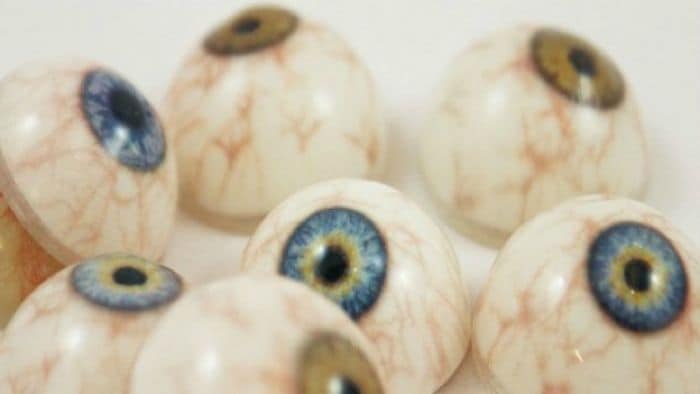
Printing technology is being used to create low-cost realistic prosthetic body parts.
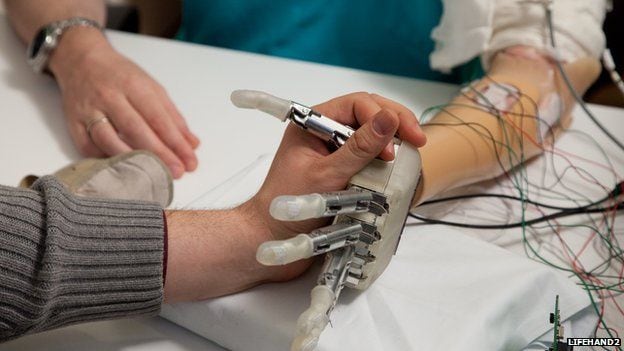
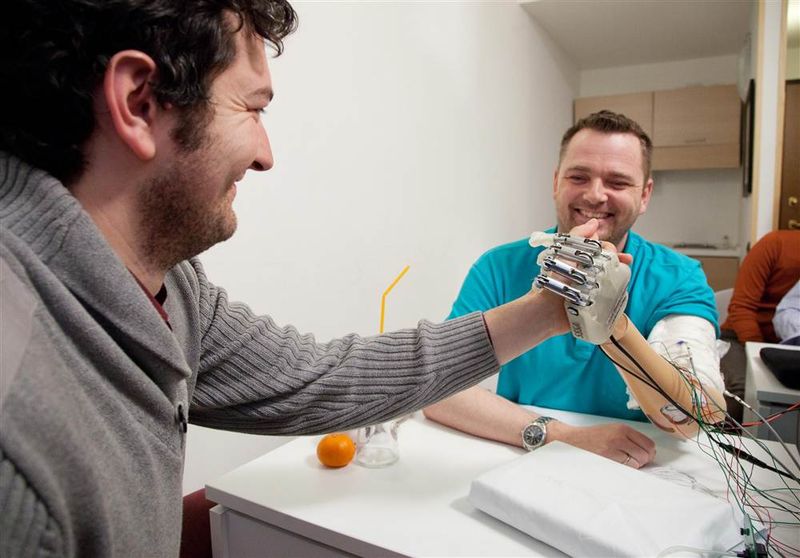
Advancements in bionics are allowing prosthetic devices to restore partial feeling to the wearer's arm.
Industry implications
The healthcare industry can benefit from creating and adopting high-tech prosthetics and bionics that help restore functionalities of body parts.
Manufacturers can explore using 3D printing technology to create prosthetics and other artificial body parts, resulting in low-cost production and more enhanced realistic approach.
Sporting companies can design and develop sports-oriented prosthetics devices that enable athletic disabled people get back into the game, like the Adidas Impetus Soccer Prosthesis.
Trend signals
Trend score 3.4 out of 10, from popularity 64%, activity 32%, freshness 8%.
Evidence
This Bionic Hand Restores the Feeling of Touch to Amputees
The development of bionic hands that restore the feeling of touch presents disruption opportunities in the prosthetics industry.
The LifeHand 2 Artificial Arm May Bring Back Feelings That Were Once Lost
The healthcare industry can explore new possibilities and applications for bionic prosthetic hands in improving the lives of amputees.
The Impetus Soccer Prosthesis Enables Amputees to Play More Sports
The healthcare industry can explore the development and implementation of advanced 3D printing technology to create customized prosthetics for amputees.
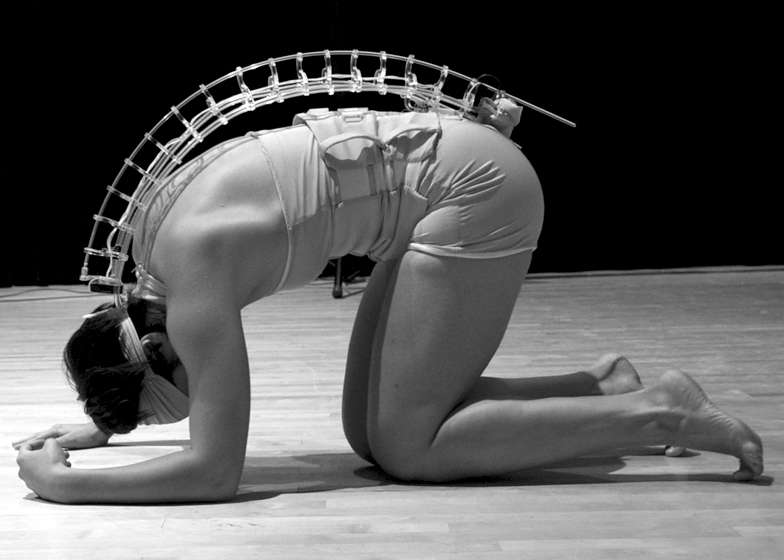
'Instrumented Bodies' Performs with Responsive Musical Skeletons
The healthcare industry can incorporate advanced sensing technologies into prosthetics to enhance their functionality and bring new musical experiences to amputees.
These 3D Printed Prosthetic Eyes are Made of Glass and Acrylic
The healthcare industry could use 3D printing technology to create more affordable and realistic prosthetic replacements for the human body.






