



Category
Lifestyle
Assisted Choices
In the Circular Economy, products are designed in closed loop systems.
Trend
Circular Commodity: Within the Circular Economy, the use of virgin materials and material waste is removed from the use cycle, and existing materials are repurposed to close the use loop. From upcycled linen services to repurposed beer waste, these products and services reintroduce resources into the use cycle that would otherwise be considered waste. The increased popularity of such systems correlates with the rise of the informed consumer, and in this case caters to their propensity for contributing to a more sustainable and waste-free world.
Trend themes
Businesses are finding ways to create closed loop systems to minimize waste and repurpose existing resources.
Companies are finding ways to repurpose waste into new, sustainable products using innovative materials and methods.
Businesses are adopting subscription-based models to extend the lifespan of products and to minimize waste.
Industry implications
Companies in the fashion industry can adopt circular and upcycling processes to repurpose materials and reduce waste.
Waste from food and beverage production can be repurposed and used in a circular economy system, such as using waste to feed fish on-site.
Companies in the home goods industry can adopt subscription-based models to extend the lifespan of their products and reduce waste.
Workshop question
Trend signals
Trend score 3.7 out of 10, from popularity 59%, activity 44%, freshness 8%.
Evidence
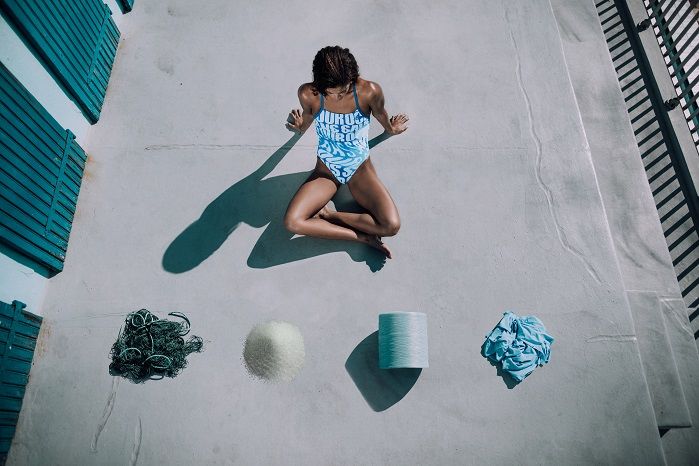
adidas and Aquafil Have Teamed Up to Design Sustainable Swimwear
Fashion brands can explore upcycling and using regenerated waste to create sustainable clothing and accessories.
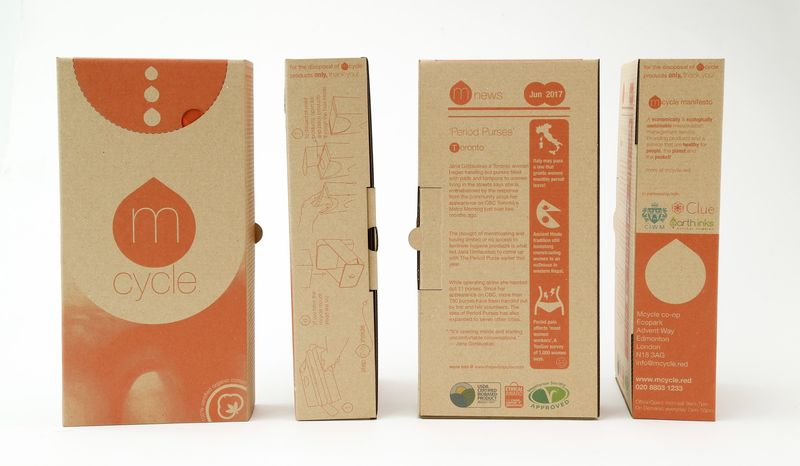
Tampon Delivery Concept 'mCycle' Turns Sanitary Products into Compost
Companies in the feminine hygiene market have the opportunity to create sustainable products that can be composted rather than thrown away.
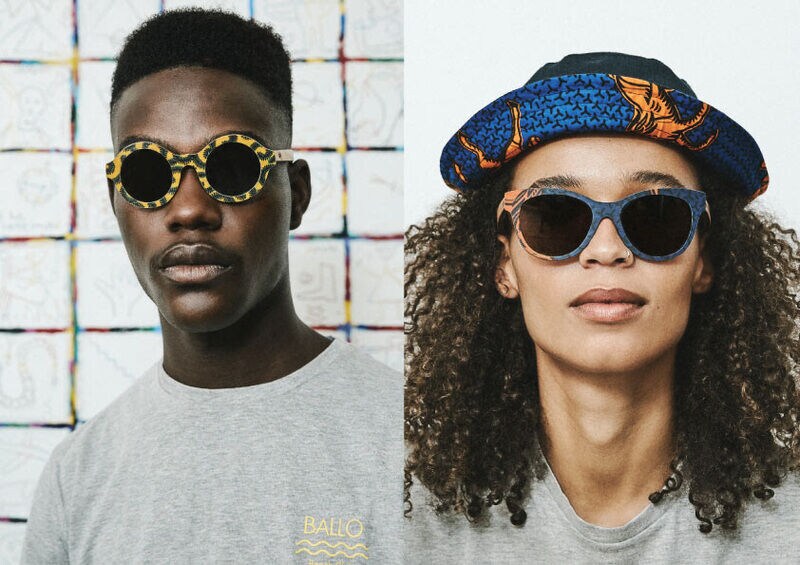
Ballo Upcycles African Waste To Create Vibrant Sunglasses
Ballo's closed loop sunglasses disrupt the traditional eyewear industry by offering sustainable and eco-friendly options.
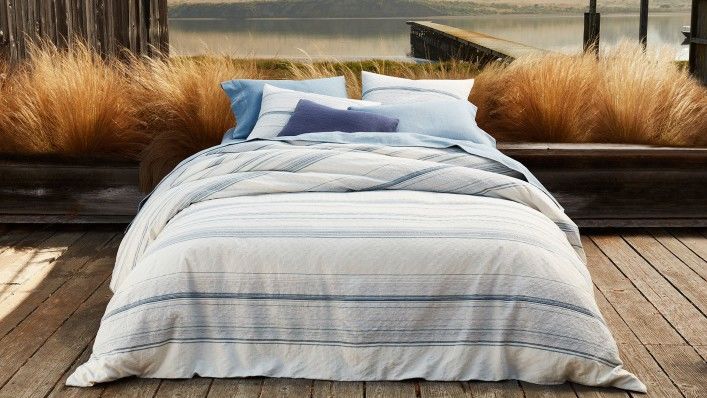
Coyuchi's Subscription Program Focuses on Sustainability and Textile Waste
Developing new recycling methods and technologies to address the millions of tonnes of textile waste generated worldwide could disrupt the waste management and recycling industrie…
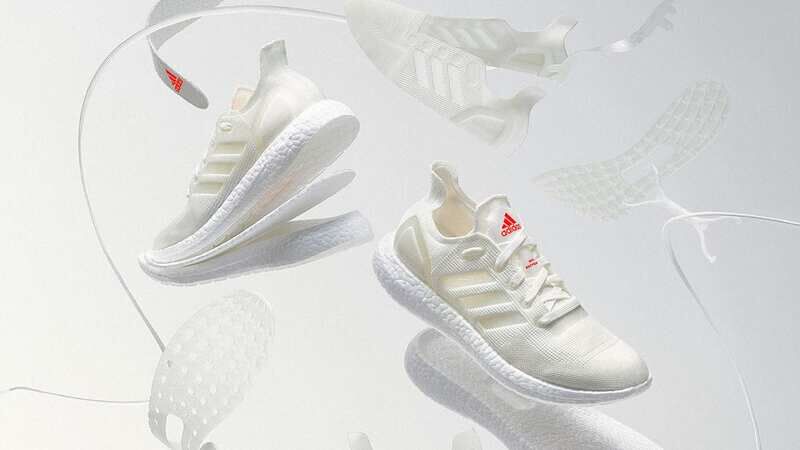
adidas' Futurecraft Loop Footwear Design is Fully Recyclable
Incorporating circular design principles in footwear to reduce waste and create new opportunities for sustainable and green footwear products.
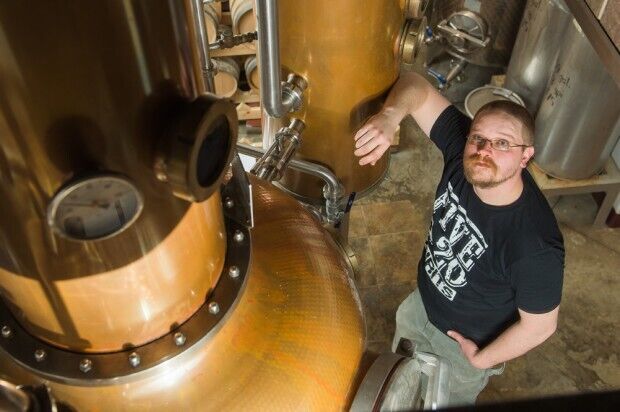
This Brewery's Circular Economy Initiative Feeds Fish Farms
Breweries can leverage waste repurposing initiatives to create additional revenue streams and enhance their sustainability efforts.
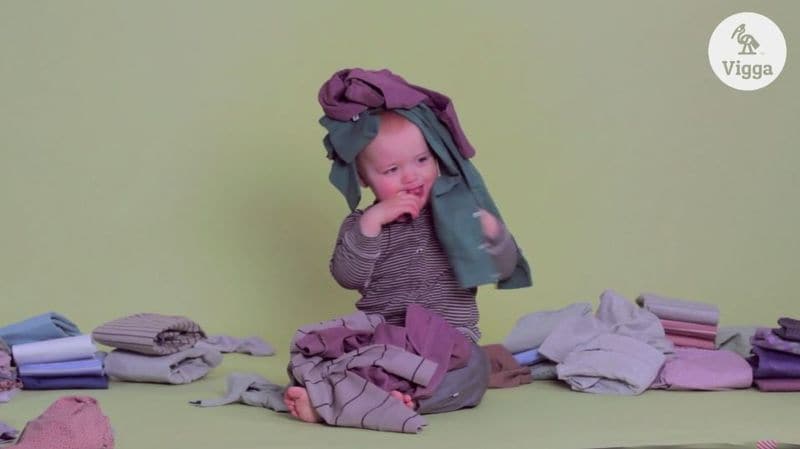
Vigga Creates a Circular Economy for Baby and Maternity Clothes
Vigga's circular economy and subscription model presents opportunities for apparel retailers to explore innovative ways to reduce waste and encourage responsible consumption.






