

adidas and Aquafil have partnered up to create sustainable swimwear using regenerated ocean waste.
The circular economy is a popularized term in which regenerated waste is minimized through methods like upcycling, which re-purposes materials that would have otherwise been thrown out. Aquafil uses regenerated ocean waste to create what it calls 'econyl', a nylon-like fabric made from sustainable or recycled products.
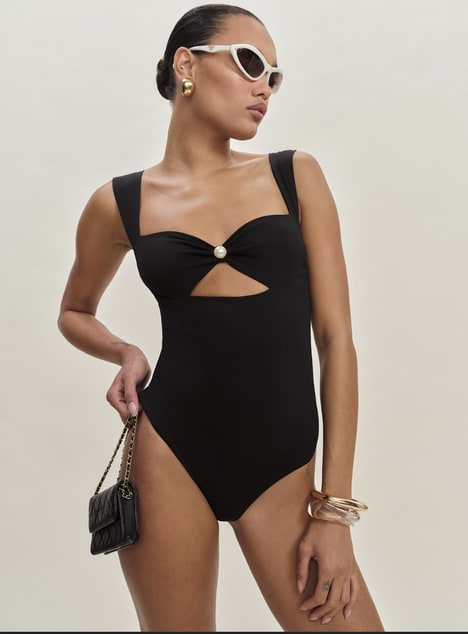
adidas has recently shared its partnership with the sustainable swimwear company, releasing a line of bikinis and swim shorts that are "durable, lightweight and breathable but with the additional environmental benefits of using regenerated waste."
Your next bathing suit might have begun as a fishing net, discarded carpet, plastic, or fabric scraps. The stylish new line will appeal to an eco-friendly, and more environmentally conscious group of consumers.
Why This Trend Is Growing
- Circular Economy
- Opportunity for companies to minimize waste and upcycle materials, creating sustainable products.
- Regenerated Waste
- Utilizing waste materials, such as fishing nets and fabric scraps, to create new products.
- Sustainable Swimwear
- Growing demand for durable, lightweight, and eco-friendly swimwear made from recycled or sustainable materials.
Industries Being Reshaped
- Fashion Industry
- Fashion brands can explore upcycling and using regenerated waste to create sustainable clothing and accessories.
- Textile Industry
- Opportunity for textile manufacturers to develop and produce fabrics made from regenerated waste materials.
- Sportswear Industry
- Sportswear brands can tap into the market for sustainable performance swimwear made from recycled or sustainable materials.