

Category
Tech
Reply Surfaces
Companies package machine action inside visible rules and approvals.



What's Happening
Permission Layers: AI platforms are shifting from simple task completion to ongoing action that runs within preset access rights, approval paths, and communication policies. Brands are adding permission checks, policy logic, and escalation steps directly into the systems that send messages, assess risk, or move work forward. This points to a more controlled form of delegation in which AI can handle repetitive operational steps while sensitive moments still require explicit sign-off.
Why It's Happening
People agree that AI is a useful work companion. Still, many fear its potential to overreach and make mistakes, especially when it can contact others, use personal data, or make consequential decisions. That makes boundaries feel as important as speed, and increasingly, individuals are realizing that the core tension of AI use in the workplace is convenience versus accountability. Users want effort removed from complex processes, but they do not want responsibility to disappear into a system they cannot question or stop. In this environment, consumers are looking for automation that earns adoption through approval transparency and override points that are a clear part of the user experience.
Workshop question
Trajectory
Latest reading 7.0 for the week of Oct 12, 2026. Rising over the final 3 scored weeks (+1.0), at its peak of 7.0. Momentum 4.0/10, persistence 7.5/10, backed by 4 research findings.
Evidence
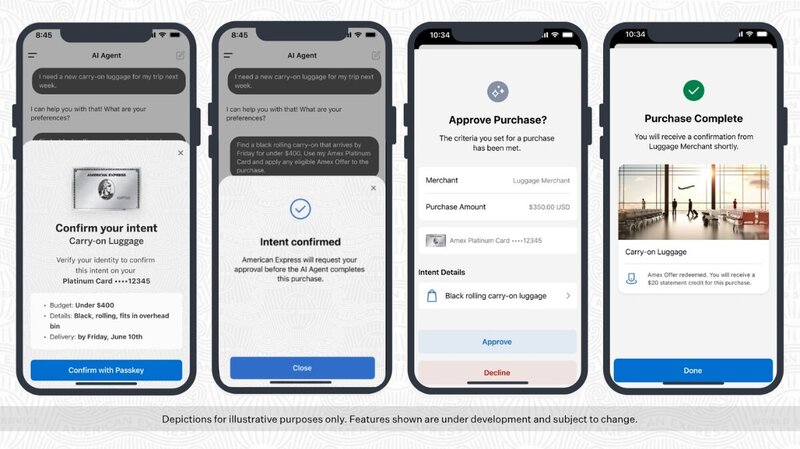
American Express Caps What AI Shopping Agents Can Spend
Card issuers and payment providers can use consent-linked transaction records to reshape dispute management, fraud review, and customer protection in AI-mediated commerce.
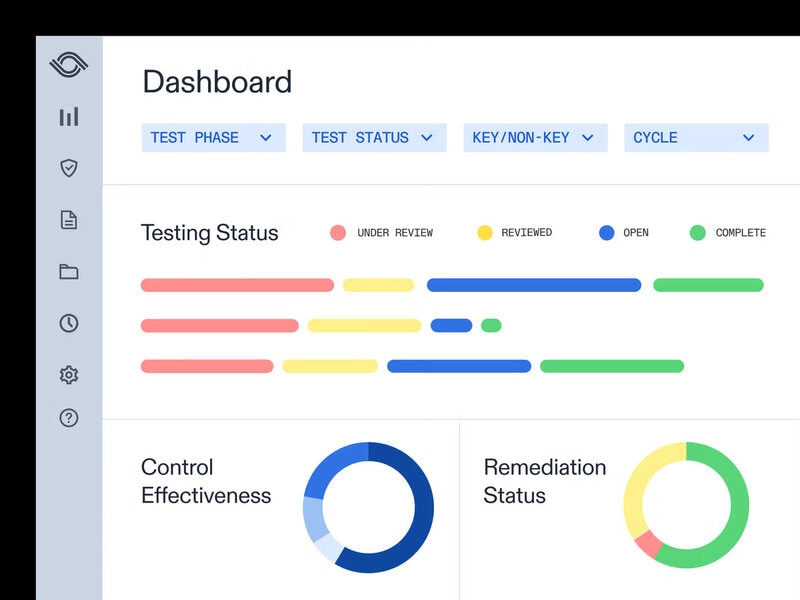
Optro Cuts Control Testing Time 60% at Reddit with Autonomous Agents
GRC software is shifting from documentation systems into active operational layers that automate testing, surface risks, and support defensible oversight.
Cresta's Deputy Agent Completes Multi-Step Customer Workflows
Long-running AI agents could reshape support centers by shifting employees away from repetitive case administration toward higher-value customer judgment and exception handling.
Wherefour Adds AI Tools for Manufacturing Teams
ERP providers can differentiate through governed AI features that balance faster decision support with the auditability manufacturers require.
Workshop Brings AI Agents And Automation To Internal Communications
Platforms that combine drafting, approvals, and governed automation can redefine how employee communications teams manage recurring content.
28 Trend Hunter articles were grouped into the wider weekly cluster this trend was identified in, over 4 weeks.
 AI-Powered Holiday StylingNordstrom Introduces Personalized Outfit Recommendations
 Conversational AI Ordering KiosksSquare Introduces Voice-Enabled Self-Service Ordering
 Agentic AI Restaurant KiosksSquare Kiosk Lets Diners Ask Menu Questions by Voice or Touch
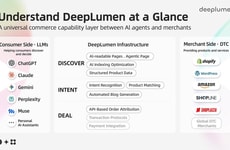 AI Referral Sales TrackersDeepLumen Charges Shopify Merchants Only When AI Orders Come Through
 Continuous AI Code VerificationChainguard Checks Tests Code During AI Development
 Natural-Language Finance AgentsAbacum Developed Modeler To Automate Planning & Forecasting
 AI-Powered Medicare PlatformseHealth's Content Genius Automates Medicare Plan Processing
 AI-Powered Membership ShoppingAonic Uses AI to Reduce Consumer Product Prices
 AI-Driven Denial PreventionJoyful Health Addresses Recurring Insurance Claim Issues
 AI-Powered Trade-In Agentsinride Automates Vehicle Valuations and Dealership Appointments
 AI-Powered Childcare AssistantsFamly Introduces Frankie to Simplify Childcare Administration
 Agribusiness Field SoftwareMyca Turns Field Chats and Photos Into Organized Records
 Autonomous Sales AgentsSanté Scans Invoices and Reprices Stock for Nearly 1,000 Stores
 Text-Based AI OrderingDoorDash Turns Text Requests into Completed Orders
 AI Restaurant Sales AgentsKutlerri.ai Uses AI Agents To Handle Restaurant Catering Sales And Orde
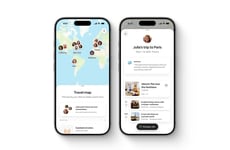 AI Travel PlanningAirbnb Adds Conversational Search and Home Comparisons
 AI Email Intake AgentsAmtech's AQQ Fills Quotes Straight From Inbound Emails
 AI Receptionist Voice AgentsInTouchNow Raises £2.3M to Expand into NHS GP Surgeries
 AI Content Compliance ScannersSkyline IFE Built an AI Tool to Catch Flagged In-Flight Content
 Agentic Claims AssistantsRising Medical Solutions Turns Claims Data Into Recommended Actions
 Context-Aware Media Memory SystemsIyuno Has Built CLOE with Multi-Agent Architecture
 Emotion-Preserving AI DubbingVosko AI Preserves Speaker Voices, Tone and Emotion Across Languages
 Agentic Smart Home HubsUGREEN HomeAgent Brings Local AI Control to Connected Homes
Research
Guardrailed AI
Consumers want AI to save time without asking them to surrender control.
Adoption rises when systems feel supervised, explainable, and easy to override, because the real tension is not novelty versus rejection but convenience versus trust. Brands that design AI as a bounded helper rather than an opaque replacement will feel safer and more valuable.
Human Backup
People want relief from effort, not relief from accountability.
The winning model is augmentation because it lets consumers offload tedious steps while keeping empathy, trust, and decision ownership in human hands when stakes feel personal or uncertain.
Guardrailed Companions
Young users are not simply adopting AI as a tool; they are folding it into search, self-expression, and support-seeking.
What matters is the tension between convenience and vulnerability: teens want instant, always-on assistance, but they also want labels, privacy protections, and clear boundaries because emotional reliance on opaque systems feels risky.
Trust Front-End
Consumers increasingly assume digital systems may be useful yet still vulnerable to error, overreach, or manipulation.
That means trust can no longer sit invisibly in compliance copy; it must be designed into the experience through disclosures, controls, fallback options, and proof that a real person can step in when needed.