Category
Tech
Automated Upkeep
Inventions helping the visually impaired navigate the world around them.
Trend
Visionovation (UPDATE): While the World Health Organization reports that there are 285 million visually impaired people around the world, until very recently this large consumer group has received only mild attention from innovators and brands. In the last few years tech companies have begun focusing on the development of electronics and gadgets, such as braille cellphones, for the visually impaired, and now, an increasing number of inventions are coming to the fore. Ranging from shopping aids to hi-tech walking sticks, these innovations are helping visually impaired people around the world perform everyday activities more easily and efficiently than ever before.
Trend themes
Innovations are coming to the fore ranging from shopping aids to hi-tech walking sticks, making life easier and safer for visually impaired people.
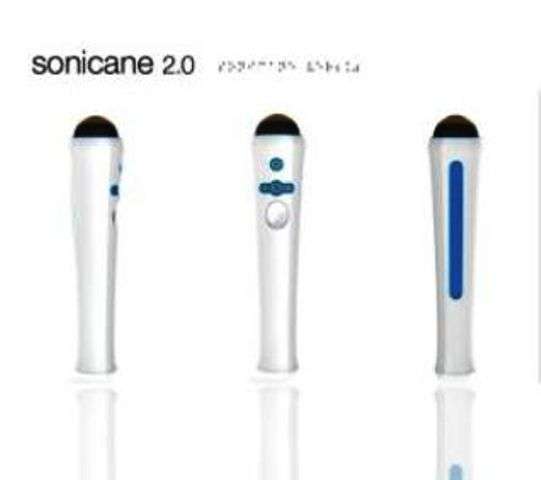
Le Chal and Sonicane 2.0 are among the few innovations using haptic feedback to guide the visually impaired and improve their daily lives.
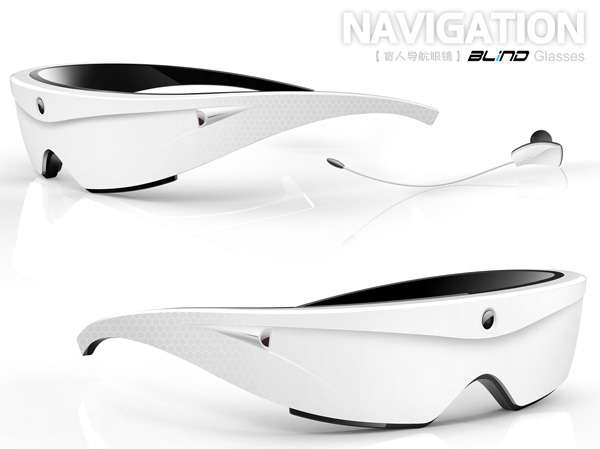
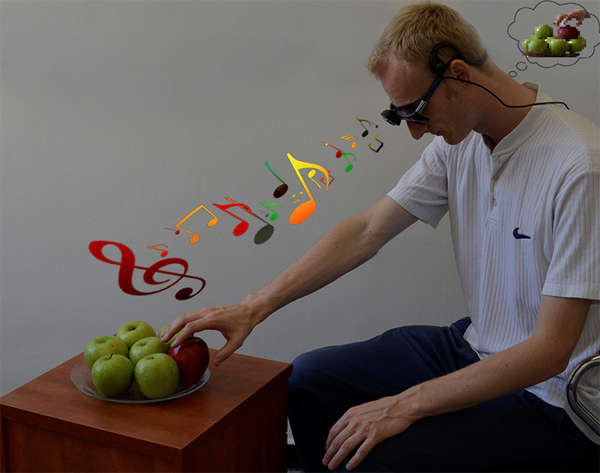
EyeMusic and Navigation Blind Sunglasses are using sensors to map out their surroundings to accurately guide the visually impaired around obstacles and provide them with a better understanding of their environment.
Industry implications
The technology for the visually impaired are an example of Assistive Technology that could open up a wide range of opportunities to innovate in this field.
Le Chal and Sonicane 2.0 are examples of wearable technology that can improve the lives of the visually impaired and offer new opportunities for wearable tech companies.
EyeMusic and Navigation Blind Sunglasses are examples of medical technology that can improve the quality of life for the visually impaired.
Trend signals
Trend score 2.4 out of 10, from popularity 39%, activity 24%, freshness 8%.
Evidence
The Navigation Blind Sunglasses Help Guide the Handicap
Integrating advanced sensors, communication devices, and software into visually impaired eyewear to enhance navigation capabilities.
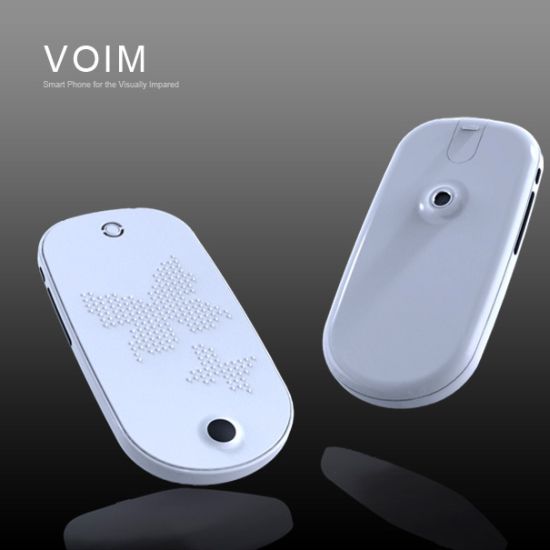
Braille-Equipped Electronic Readers Let the Blind Use Smartphones
The technology industry can capitalize on the disruptive innovation opportunities presented by advances in Braille-equipped electronic readers.
The Sonicane 2.0 Lets the Blind Guide Themselves
The healthcare technology industry has significant potential to leverage smart technology and design principles in the development of assistive devices for individuals with differ…
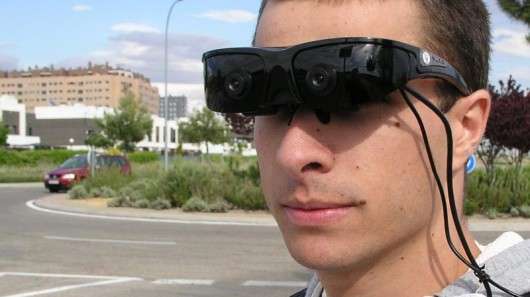
Intelligent Goggles Help the Visually Impaired Navigate
Intelligent goggles and other assistive technology products have disrupted the assistive technology industry and present a growing market for manufacturers and developers.
EyeMusic Translates Visual Stimuli Into Sounds for the Blind
Opportunity for the healthcare industry to invest in and develop assistive technologies that improve the well-being of visually impaired individuals.
See Assistive Techology Makes it Easier for the Blind to Shop
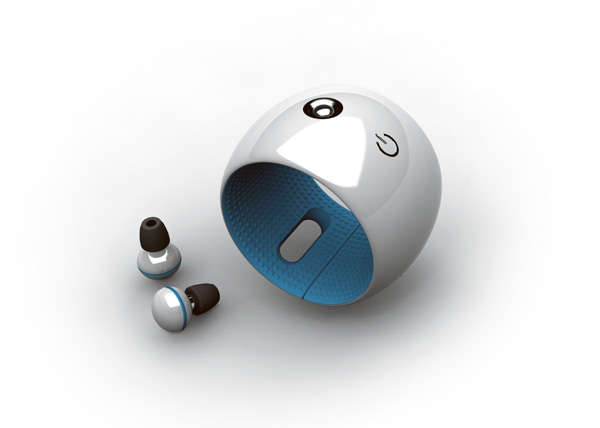
Visual barcode scanning technology can transform the way that retail businesses cater to customers with additional needs and increase accessibility.
Le Chal Aims to Help the Visually Impaired in a Ground-Breaking Way
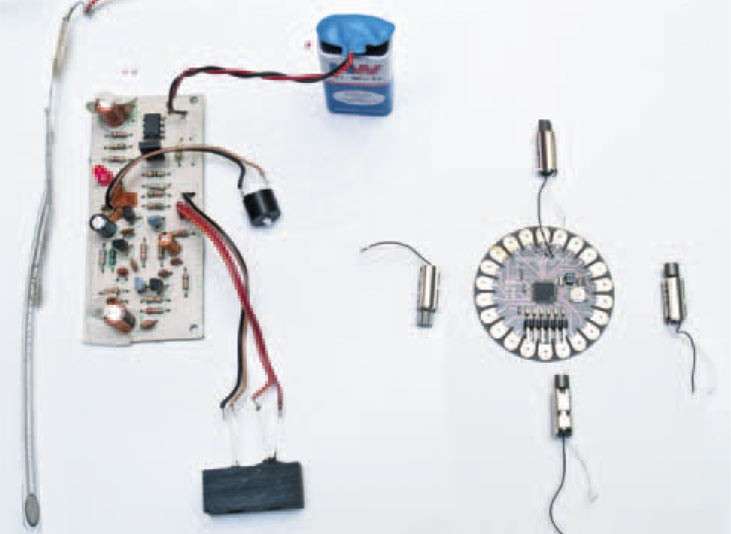
Opportunity for footwear companies to incorporate haptic feedback and smart shoe technology into their products to cater to visually impaired consumers.