



Category
Lifestyle
Assisted Choices
New-fangled therapies appeal to experimental nature of the modern consumer.

Trend
Strange Aid: With technology at our fingertips, today's health remedies are no longer restricted to traditional methods. Designers and healthcare innovators are creating never-before-seen solutions and remedies for mental and physical therapy, ranging from muscle-stimulating apparel to restaurants for drug rehabilitation. This development in therapy appeals to today's modern-thinking and experimental consumer, who is more willing to try new forms of treatment than ever before.
Trend themes
Designers and healthcare innovators are creating never-before-seen solutions and remedies for mental and physical therapy.
Innovators are using wearable technology to create devices that help with muscle stimulation, nerve disorders, and sensory stimulation.
Innovations in rehabilitation are opening up new avenues for treatment for traditionally difficult to treat syndromes such as brain tumors, autism and addictions.
Industry implications
The healthcare industry can leverage the latest designs and innovations to improve patient care in rehabilitation and therapy through wearables and sensory stimulation.
The tech industry can enable patients to manage their health conditions more efficiently by developing wearables that promote exercise and track wellness
Designers can play a key role in creating innovative adaptive interiors specially tailored to people with physical and sensory disabilities.
Trend signals
Trend score 2.5 out of 10, from popularity 34%, activity 35%, freshness 8%.
Evidence
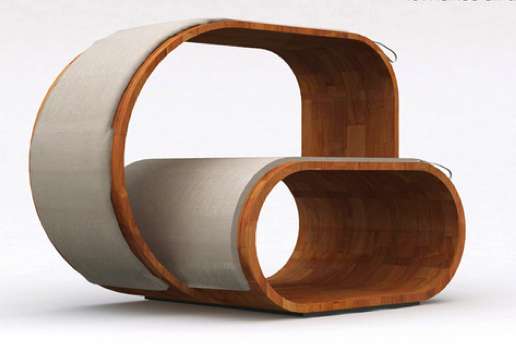
The Dstretch Helps You Straighten Out Your Aches and Pains at the Office
The rise of remote work will create demand for ergonomic and wellness-focused office furniture that improves employee productivity and health.
'Cafe Therapy' in Prague Helps People Overcome Drug Addictions
The restaurant industry can seek opportunities to support social causes and incorporate art therapy programs into their establishments.
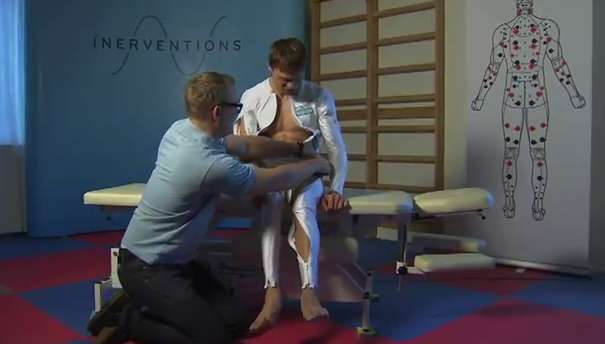
The Elektrodress Helps Individuals Suffering From Nerve Disorders
Disruptive innovation opportunity: Integrate wearable muscle stimulators into medical devices for more effective treatment of nerve disorders.
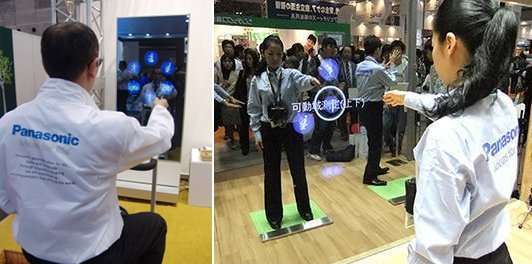
The Panasonic Digital Mirror Hopes to Transform Patient Rehabilitation
The healthcare industry can explore the use of holographic trainers and virtual mirror technology to enhance patient rehabilitation programs.
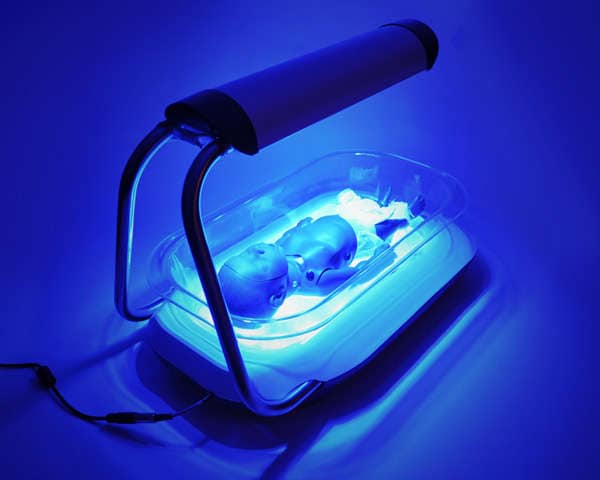
The Firefly Phototherapy Unit Remedies Newborn Skin Conditions
Design That Matters' Firefly Phototherapy Unit is a crucial equipment in treating jaundice in newborns.
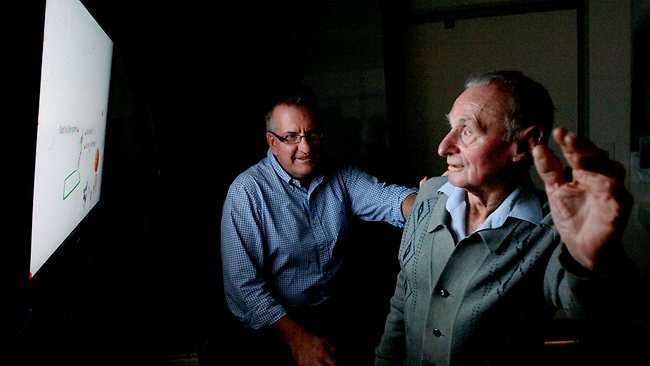
Neuroscientist Stuart Smith Finds Medical Potential in Video Games
Implementing video game solutions in neurological rehabilitation to enhance patient outcomes.
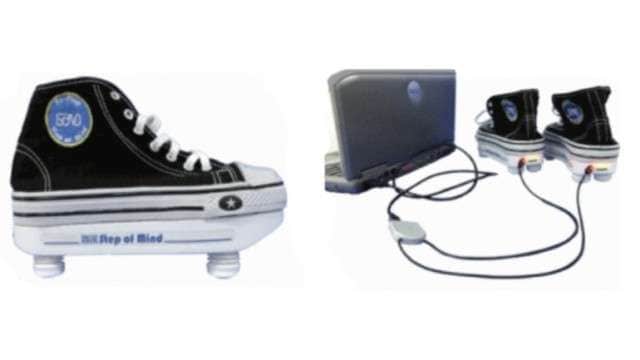
The Re-Step is Designed to Teach Seniors to Walk Again
The healthcare industry can leverage motorized senior shoes, like the Re-Step, to improve rehabilitation outcomes for elderly patients with mobility challenges.
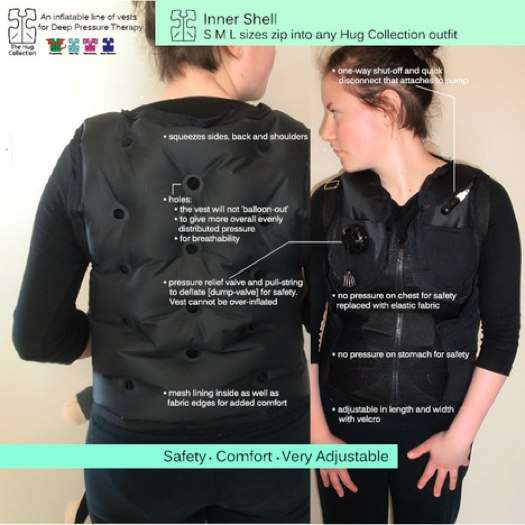
Deep Pressure Therapy was Designed to Simulate a Hug For Autistic Kids
The healthcare industry can explore the use of Deep Pressure Therapy jackets as a disruptive innovation for providing sensory stimulation to individuals with autism.
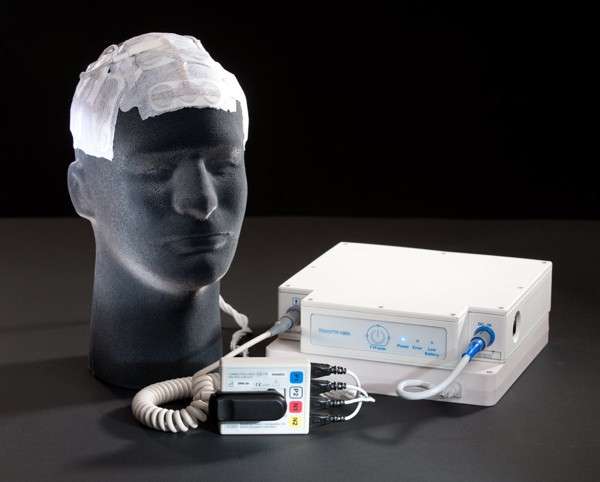
The Novottf-100a Stops Brain Tumors Using Electricity
Novocure's NovoTTF-100A device is a disruptive innovation in the medical device industry for brain tumor treatment.






