Category
Tech
Persistent Context
Beauty brands are curating collectible fragrance drops that emphasize exclusivity.


What's Happening
Scent Scarcity: Fragrance brands are treating perfume like collectibles, with small-batch or limited drops centered on a specific mood, season or use case. In a crowded market where new scents drop daily, some perfume makers are exercising restraint to create exclusivity and a shorter-cycle release format that encourages faster discovery and purchase.
Why It's Happening
Consumers overwhelmed with choice want to make intentional additions to their scent collections, and scarcity bakes in consideration and desire. Timely, finite releases that feel edited and specific to a moment or preference redefine novelty in a market where new products rapidly give way to what’s next, offering a sense of specialness that endless availability can’t replicate. For brands, this means giving each launch a clear reason to exist, tied to a recognizable occasion, profile or attribute that makes it a personally meaningful must-have.
Evidence
Annual Leave's Summer Vol. 1 is an Exclusive Seasonal Scent
Exclusive seasonal compositions open space for niche perfume houses to compete through scarcity, narrative, and sensory distinctiveness rather than volume.
Hamidi Presented the Alya and Maysara Fragrances
Alcohol-free eau de parfums signal a shift toward alternative solvent technologies that can redefine longevity, skin feel, and premium scent delivery.
Risala Boasts Two New Scents as Part of the Fragaby Collection
Niche and premium perfume houses are finding differentiation through expressive ingredient storytelling, especially when classic note families are reinterpreted for digitally infl…
Workshop question
How could your brand make limited availability feel purposeful and trustworthy rather than artificially scarce?
Trend themes
Limited bottle counts, owner-only refills and tightly edited releases create room for perfume brands to build resale-style desirability, loyalty mechanics and archive-worthy product ecosystems.
Seasonal moods, daily rituals and special occasions are becoming sharper creative anchors for fragrances, opening space for smaller launches that feel personally timed rather than broadly evergreen.
Alcohol-free formulas and climate-conscious wearability point to unmet demand for premium scents that balance indulgence with comfort, inclusivity and functional performance.
Industry implications
Scarcity-led product cycles and formula specialization are reshaping how brands differentiate in saturated categories where consumers expect both emotional storytelling and practical relevance.
Collectibility, provenance and controlled access offer disruptive potential for turning everyday consumables into status-driven objects with stronger ownership narratives.
Direct drops, exclusive online availability and sample-first discovery models are expanding the role of digital storefronts as curated launch platforms rather than passive sales channels.
Trajectory
Latest reading 9.4 for the week of Jul 13, 2026. Holding over the final 3 scored weeks (±0.0), at its peak of 9.4. Momentum 8.8/10, persistence 5.0/10.
3 featured from 24 articles in the wider cluster over 3 weeks. 3 evidence articles across 1 week, 3.0 a week on average. Busiest was Jun 29 with 3. Scores as of the week of Jul 13, 2026.
24 Trend Hunter articles were grouped into the wider weekly cluster this trend was identified in, over 3 weeks.
 Celebratory Body LotionsJergens' Confetti Cake Scent Marks a Milestone Anniversary
 Bespoke Body Wash BottlesThe Limited-Edition method Artist Collection Spotlights Latinx Creators
 Luxury Body CareThe Tomato Leaves Collection is a Botanical Body Care and Home Fragrance Range
 Festival Wellness CollectionsThe Grown Alchemist x Tomorrowland Set is a Festival Wellness Range
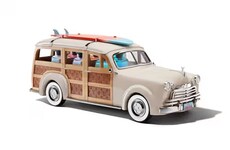 Luxury Fragrance Gift SetsThe Louis Vuitton Woody Wagon Colognes is a Limited Fragrance Set
 Fruit Beauty SeriesThe Bath & Body Works Fruit Fusion Collection is a Seasonal Body Care Range
 Ice Cream-Scented BodycareThe Dove Ice Cream Parlor Limited-Edition Collection is Only at Target
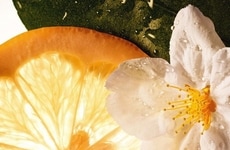 Provençal Estate-Honoring ScentsChristian Dior Debuts the La Collection Privée with Dior Paradise
 Timeless Fragrance CompaniesCaswell-Massey Offers Proven, Timeless, and Authentic Scents
 Milk-Inspired Fragrance CampaignsSnif Taps Rob Rausch for Its 2% Fragrance Campaign
 Ancient Japanese Practice-Inspired CollectionsLe Labo’s Incense Collection is Inspired by Kōdō
 New England Summertime CandlesThe Hotel Lobby Candle Nantucket Collection Has Two Fragrances
 Mediterranean Fragrance TriosGreece’s Three Seas Inspired the New KORRES Eau de Toilettes
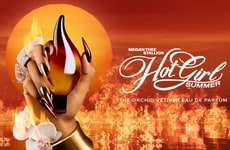 Female-Rapper Fragrance DebutsMegan Thee Stallion Unveils 'Hot Girl Summer Eau de Parfum'
 Melted Ice Cream FragrancesSkylar Sundae Scoop Smells Like a Cool Treat on a Hot Day
 Elegant Men's PerfumesARMAF Launches Club De Nuit Intense Overdose
 Spicy Chili FragrancesAkro Heat Has a Hot Pepper Note
 Signature Scent MistsThe Olaplex Signature Hair and Body Mist Smells Like Citrus & Sugared Mint
 Cocooning Cereal Milk PerfumesLil softie by LORE Transports the Senses to Simpler Times
 Celebrity-Approved Fragrance ExpansionsAriana Grande and LUXE Brands Boast Cloud Aurora
 Experimental Fragrance GardensMane Launches Its Grasse Dedicated Experimental Garden Essence