



Category
Lifestyle
Assisted Choices
A new spin on prophylactics reminds consumers of their importance.

Trend
Repackaged Convention: Although most consumers have been taught the importance of using prophylactics, traditional marketing tactics may not be enough to encourage their use. Repackaging this product, whether making it more fashionable, unique or exciting in some way, stands to elevate their importance in consumers’ minds once again. Any conventional product can be viewed as boring; thus, it is up to brands to discover new ways to convey an old message.
Trend themes
Luxury fashion houses and high-end brands are redefining safe sex with the trend of condom branding, creating disruptive innovation opportunities in the condom industry.
Condom-locating apps are disrupting the traditional way of condom distribution, creating innovation opportunities in the mobile app industry.
Eco-friendly condoms are creating disruption in the condom industry, as socially conscious consumers demand safer, sustainable and socially responsible products.
Industry implications
Fashion houses and high-end brands are tapping into the market of safe sex by creating luxury condoms.
Condom-locating apps are creating innovative disruption in the traditional condom industry.
The rise in eco-friendly condoms shows that the health and wellness industry is shifting towards sustainable products.
Trend signals
Trend score 4.6 out of 10, from popularity 70%, activity 59%, freshness 8%.
Evidence
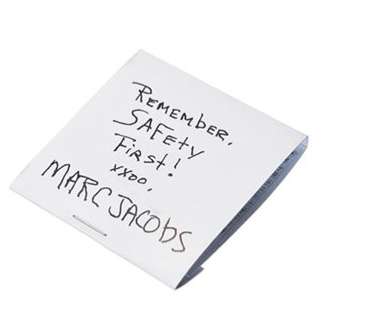
This Marc Jacobs Condom May Appeal to the Brand's Male Fans
Branding condoms is a way for luxury fashion houses to tap into the sexual health industry.
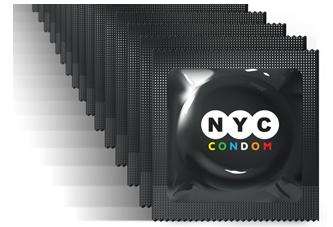
NYC Condom Finder App Makes the Big Apple the Safest City for Sex
The rise of contraceptive-locating apps presents an opportunity for mobile app developers to create innovative solutions that help users find contraceptive products easily.
The Durex Performa Sign Markets to the Crowd During Half Time
Durex Performa's campaign suggests opportunities for disruption and innovation in the condom industry.
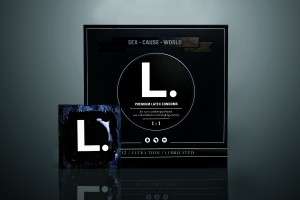
L. Condoms are Women-Empowering and Environmentally Sustainable
The sexual wellness industry should explore creating eco-friendly and gender-inclusive products in response to evolving attitudes towards sex and health.
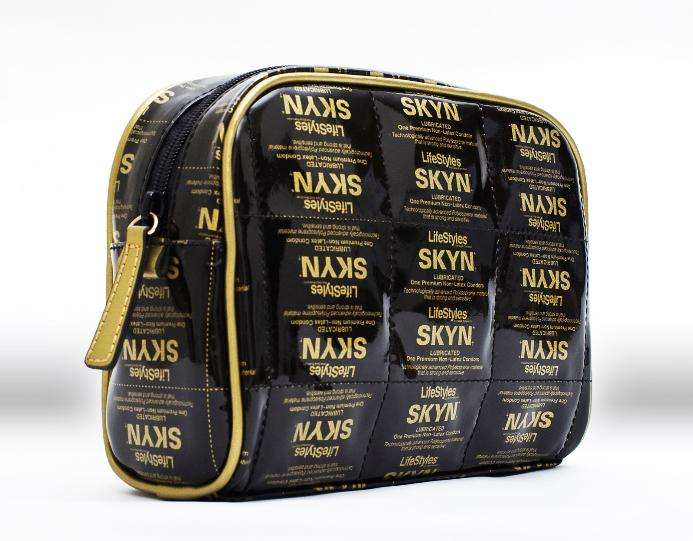
Bags by Mags 'I'm Covered' Collection Empowers Women
The fashion industry can create new, innovative clothing items and accessories that promote safe sex and contraception with the current trend of contraceptive fashion.


