



Category
Tech
Delegated Interfaces
Companies develop cutting edge aerospace products with 3D printed technology.
Trend
Additive Aerospace: 3D printing is broadening the aerospace industry's manufacturing spectrum. Through laser print technologies, complicated concepts are being brought to life with automated precision. Surges in this approach to production is reflective of a current fascination with 3D printing, which is becoming readily available for talented teams and everyday consumers alike.
Trend themes
The aerospace industry is now using 3D printing technology to manufacture complex and intricate designs with automated precision which is reflective of a current fascination with 3D printing.
Companies are developing hydrazine-free or electric fuel systems like the Electron Launch System which could revolutionize the space exploration industry, lead to an exponential rise in number of satellite launches and provide valuable alternatives to traditional fuel systems.
Emerging technologies in printing include five-axis additive manufacturing process which prints parts that are more effective with material use and can take more pressure, since there is less stress that collects at the seams.
Industry implications
3D printing is allowing the aerospace industry to create complex and intricate designs with automated precision, decreasing cost and production time of important components.
Battery-powered or hydrazine-free electric fuel systems provide alternatives to traditional fuel systems and could lead to an exponential rise in the number of satellite launches.
The emergence of 5D printing machines enables manufacturing to print parts that are stronger and more effective with material use, which is an opportunity for manufacturers to innovate and create high-performing products.
Trend signals
Trend score 3.9 out of 10, from popularity 61%, activity 50%, freshness 8%.
Evidence
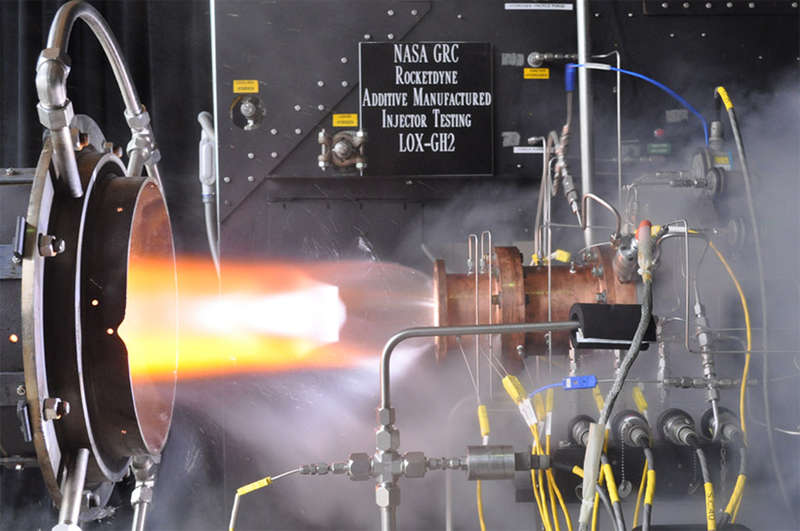
NASA Creates a Rocket Engine Using 3D Printing
With the potential to reduce the cost and increase the performance of rocket engines, 3D printing can disrupt the space industry by enabling new entrants, reducing launch costs, a…
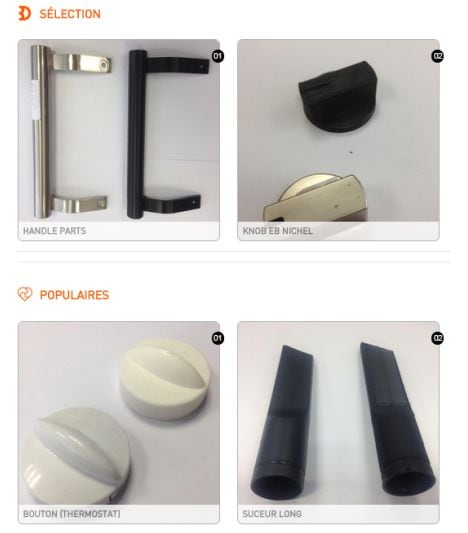
'happy3D' Helps Consumers Easily Print Broken Appliance Parts
happy3D disrupts the traditional appliance repair industry by empowering customers to create their own replacement parts.
NASA's 3D Printed Habitat Challenge
NASA's 3D Printed Habitat Challenge highlights an innovative opportunity for the aerospace industry to provide cutting-edge solutions for space exploration and colonization.
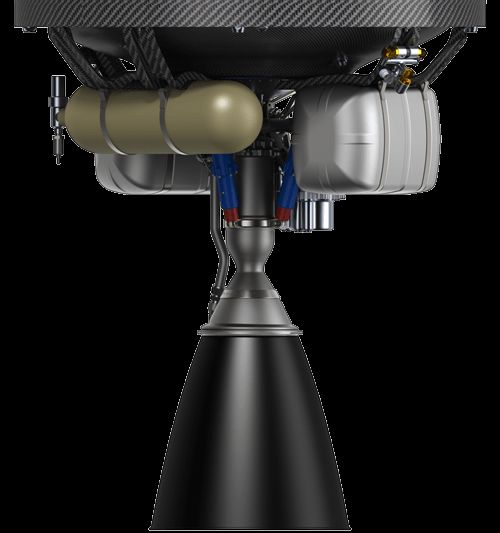
The Electron Launch System Uses a Battery-Powered Turbopump
The development of battery-powered rockets and 3D printing technology in rocket manufacturing has the potential to revolutionize the space exploration industry, leading to more af…
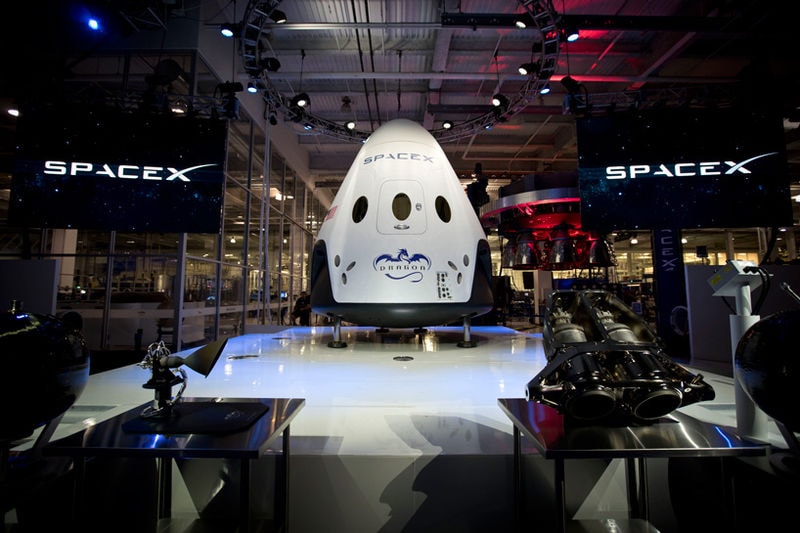
The Dragon V2 from SpaceX Features a Powerful Motor
The aerospace industry can benefit from disruptive innovation by adopting 3D printing technology for rocket engines.
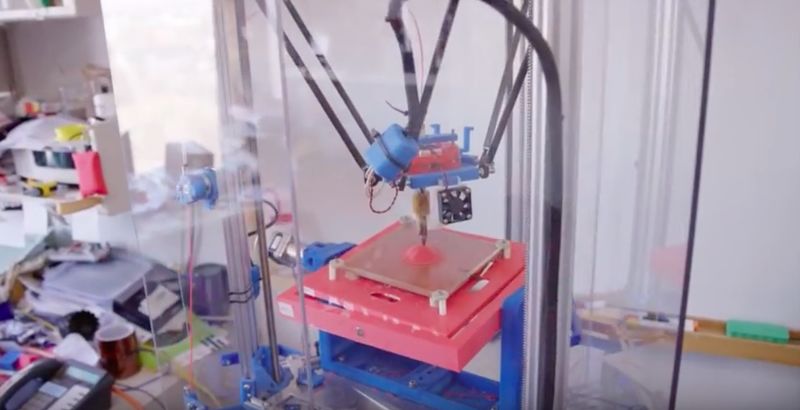
Ultra-Strong Printed Parts Can Be Made with Five-Axis Additive Manufacturing
Adoption of 5D printing technology can revolutionize the manufacturing industry, enabling the production of stronger and more durable components.






