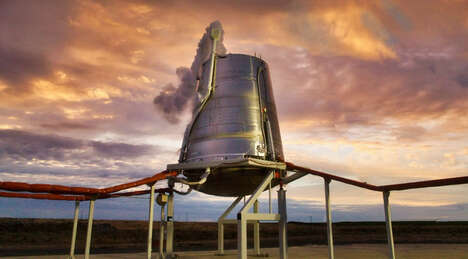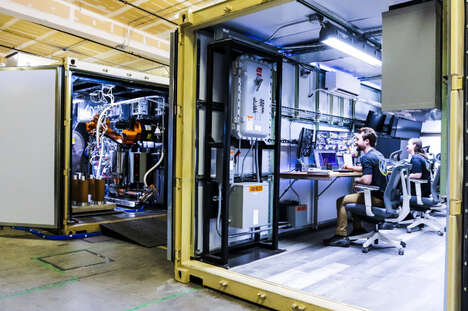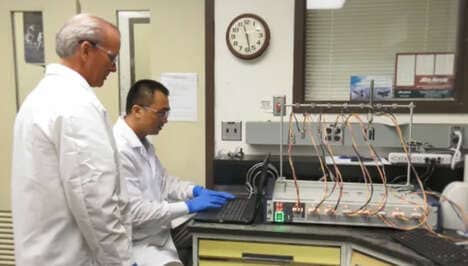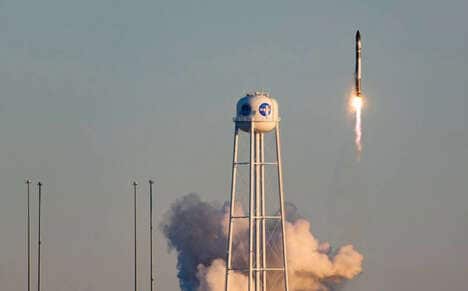


New Zealand-based company Rocket Lab is developing the world's first battery-powered rocket. The company's invention centers around the Electron launch vehicle, which is powered by a battery-powered rocket engine.
The so-called Rutherford engine burns a mixture of liquid oxygen and rocket fuel. But rather than use a regular gas-powered turbine, it uses a brushless DC motor and lithium polymer batteries to run the pump. This setup provides enough fuel to generate 4,600 pounds-feet of thrust. This engine is also the first oxygen/hydrocarbon engine to use 3D printing for all its major components including its thrust chamber, injector, pumps and propellant valves.
If this battery-powered rocket turns out to be a success, it could revolutionize the space exploration industry. This technology could lead to an exponential rise in the number of satellite launches.
Key Themes Behind This Trend
- Battery-powered Rockets
- The development of battery-powered rockets for space exploration could drastically reduce the costs associated with satellite launches.
- 3D Printing in Rocket Manufacturing
- The use of 3D printing for all major components of the Rutherford engine has immense potential to disrupt the traditional rocket manufacturing industry and provide more affordable options for space exploration.
- Brushless DC Motor Technology
- The use of brushless DC motor technology to power the turbopump in the Rutherford engine could have widespread implications for the aviation and aerospace industries, potentially leading to more efficient and eco-friendly propulsion systems.
Where This Applies
- Space Exploration
- The development of battery-powered rockets and 3D printing technology in rocket manufacturing has the potential to revolutionize the space exploration industry, leading to more affordable and accessible options for satellite launches.
- Aviation
- The use of brushless DC motor technology in the Rutherford engine has the potential to disrupt the aviation industry, leading to more efficient and eco-friendly propulsion systems for airplanes and other aircraft.
- Manufacturing
- The use of 3D printing for all major components of the Rutherford engine has the potential to greatly disrupt and transform rocket manufacturing, leading to more affordable options and greater innovation in the industry.