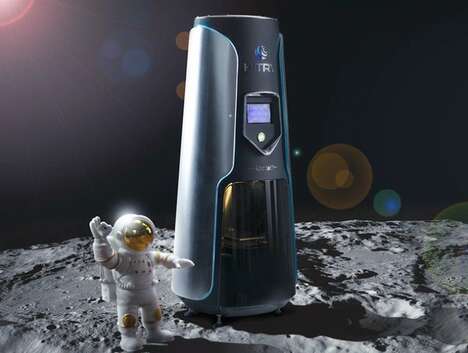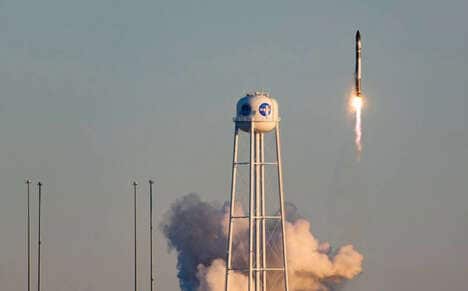
Gilmour Space Technologies unveiled the engine that will power the third stage of its Eris rocket, the 'Phoenix Engine.' The Phoenix is a 3D-printed liquid oxygen kerosene engine with ultra-efficient liquid cooling. Despite being 3D-printed, the device managed to meet all expectations under a three-minute flight simulation, meaning its debut flight will likely also perform as expected.
The Eris rocket that the Phoenix engine will power is capable of delivering a payload of up to 1,000 kilograms, or approximately 2204 pounds, on one flight. This generous payload size comes from the Phoenix engine itself. Gilmour Space Technologies stated that the first two stages are powered by the 'Sirius' engine, while the third Phoenix engine enables the rocket to carry a much larger payload than if it did not contain this extra performance.
Image Credit: Gilmour Space Technologies
Why This Trend Is Growing
- 3d-printed Rocket Engines
- The development of 3D-printed rocket engines presents an opportunity for companies to create more efficient and cost-effective space technology.
- Efficient Liquid Cooling
- The ultra-efficient liquid cooling used in the Phoenix engine presents potential for application in other industries, such as data centers or automotive technology.
- Increased Payload Capacity
- By utilizing more powerful engines, like the Phoenix engine, companies in the aerospace industry can increase the payload capacity of their rockets and reduce launch costs per kilogram of cargo.
Industries Being Reshaped
- Aerospace
- Gilmour Space Technologies' use of 3D-printing technology to develop rocket engines presents an opportunity for innovation and cost savings in the aerospace industry.
- 3D Printing
- The use of 3D-printing in the development of rocket engines will create disruption opportunities in the manufacturing industry for aerospace technology and beyond.
- Data Centers
- The efficient liquid cooling technology used in the Phoenix engine presents an opportunity for innovation and cost savings in data center cooling systems to reduce energy consumption.