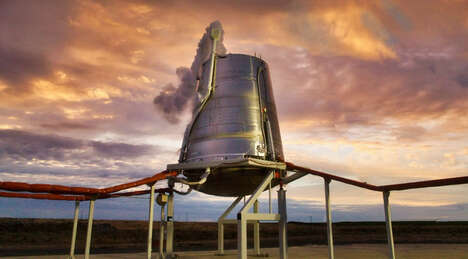
The Dragon V2 is an upgraded design from Elon Musk's company SpaceX, which features a 3D-printed titanium engine, which goes to demonstrate the potential of this kind of technology.
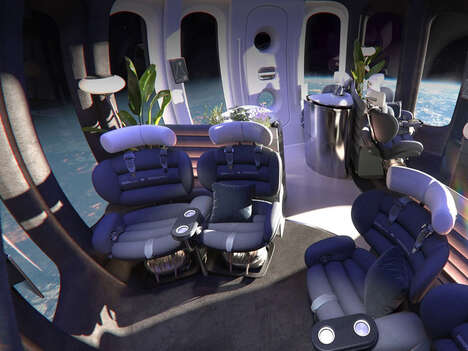
The spaceship also has a noticeable inside area, featuring a clean design and the ability for the astronauts to interact with the control panel through a sleek touchscreen device. Moreover, the chairs used inside the spaceship look both luxurious as well as comfortable, which is important considering the ride to space is not always a smooth one. This is a first for SpaceX, as up until now the company has not produced a "manned commercial spacecraft," as stated on DesignBoom. The first push into this area will hopefully be a successful one, considering the team is already using forward-thinking technology such as 3D printing to launch the product.
Photo Credits: designboom, spacex
What's Driving This Trend
- 3d-printed Rocket Engines
- The use of 3D printing technology for rocket engines presents an opportunity to revolutionize the aerospace industry.
- Luxurious Spacecraft Interiors
- The incorporation of luxury and comfort in spacecraft interiors offers opportunities for innovation in the space tourism industry.
- Control Panel Touchscreen Devices
- The integration of sleek touchscreen devices for astronauts to interact with control panels opens up possibilities for user-friendly technology in space exploration.
Who This Affects Most
- Aerospace
- The aerospace industry can benefit from disruptive innovation by adopting 3D printing technology for rocket engines.
- Space Tourism
- The space tourism industry has the potential for disruptive innovation by creating luxurious and comfortable spacecraft interiors.
- Technology
- The technology industry can explore opportunities by developing user-friendly touchscreen devices for space exploration control panels.