

Category
Tech
Adaptive Handsets
Work software is shifting from static tools to comprehensive editable assistants.


Trend
Guided Automation: Productivity tools are moving beyond single-use generation into systems that can process documents, capture screen context, organize prompts, and pull information back into a usable workflow. The common shift is from isolated AI outputs to ongoing task support inside daily work for continuous, ongoing support.
Trigger
Many workers are dealing with too much fragmented information across chats, documents, tabs, and feeds, and they want relief from repetitive coordination work. Assistance that turns scattered inputs into usable outputs speaks to overload more than novelty. Adoption is likely to depend less on how autonomous the system appears and more on how controllable and context-aware it feels. The winning experiences will likely save time without obscuring human judgment as we move beyond simple prompt-based solutions.
Trend themes
AI tools are increasingly interpreting documents, webpages, screens, and chats in place, creating openings for software that reduces app-switching while preserving user control.
Static files and archives are becoming searchable dialogue experiences, suggesting new value in products that turn owned content into responsive, domain-specific assistants.
Prompt libraries, chat exports, and structured document pipelines point to demand for persistent AI work layers that make repeated tasks easier to manage and audit.
Industry implications
Business platforms can evolve from standalone applications into embedded assistants that coordinate information, actions, and records across daily workflows.
Organizations have room to modernize internal search, documentation, and archives through interactive systems that surface institutional knowledge from fragmented sources.
APIs and automation infrastructure are being reshaped by demand for reliable extraction, validation, and integration of unstructured data into AI-ready systems.
Workshop question
Trajectory
Latest reading 7.1 for the week of Jul 20, 2026. Rising over the final 3 scored weeks (+0.6), at its peak of 7.1. Momentum 4.2/10, persistence 7.5/10, backed by 4 research findings.
Evidence
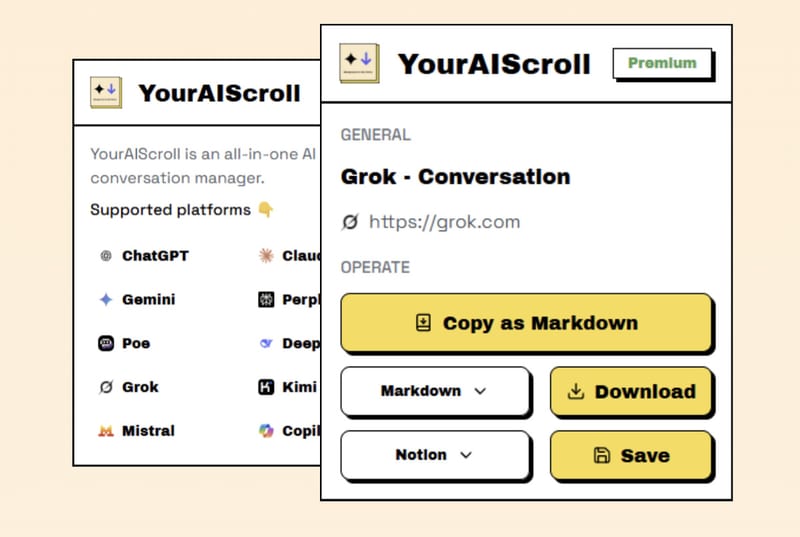
YourAIScroll Helps Users Save And Manage Conversations Across Multiple AI
AI chat export and management capabilities expand productivity platforms into hubs for storing, retrieving, and structuring knowledge generated across digital work sessions.
fileAI Transforms Unstructured Files Into Structured Data
Document intelligence capabilities are expanding software platforms beyond storage and workflow management into automated data preparation for AI-driven operations.
ailight Lets Users Transform Anything On Their Screen
AI-enhanced workspace tools can redefine productivity by minimizing app switching and enabling real-time content manipulation within active workflows.
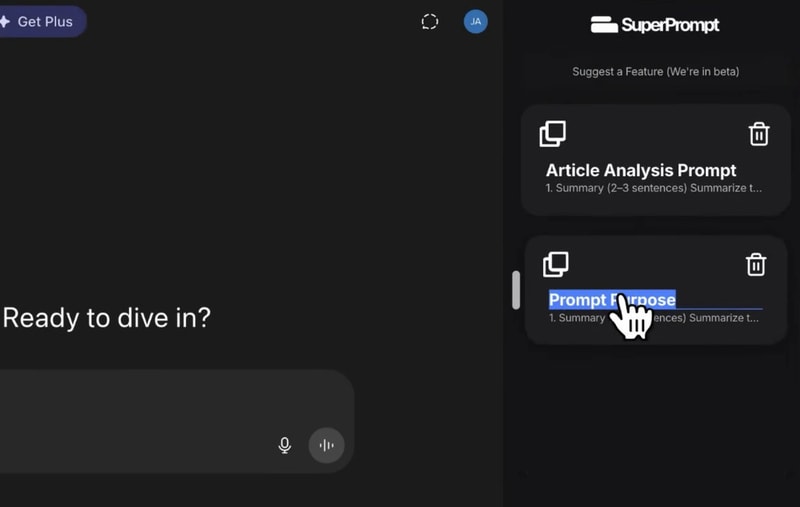
SuperPrompt Helps Users Save And Reuse AI Prompts
Workplace software is expanding to include AI-specific organization features, enabling new platforms that manage prompts, templates, and repeatable knowledge work.
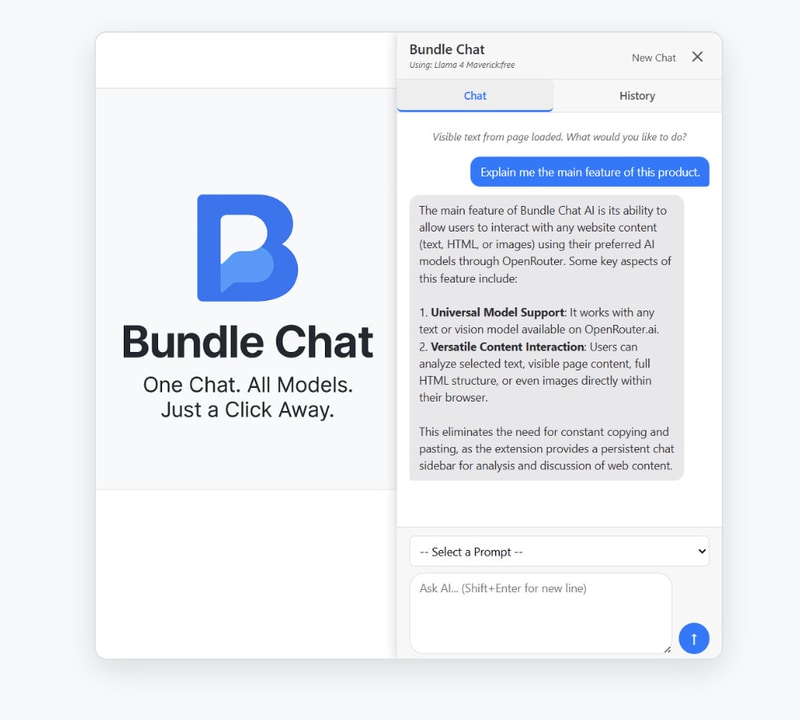
Bundle Chat AI Lets Users Chat With Website Content Using AI Models
Browser platforms are becoming gateways for AI-enhanced navigation, search, and content comprehension beyond traditional page rendering.
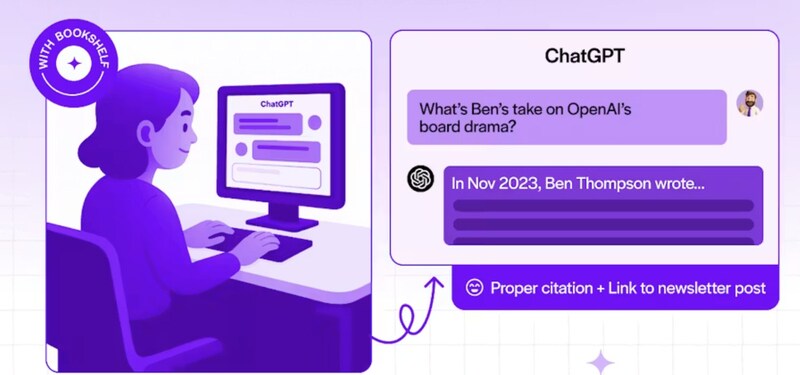
Bookshelf Turns Newsletter Archives Into Interactive AI Chats
Publishers can extend the lifespan of archived content as interactive discovery layers reshape how audiences access editorial value.
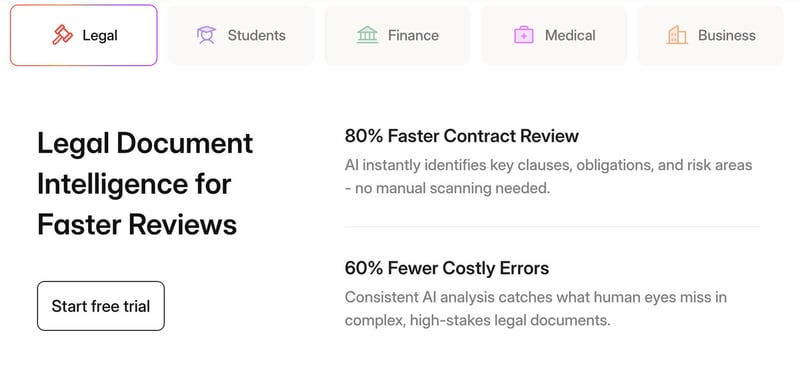
AI AgentDocs Turns Documents Into Interactive AI Conversations
Business productivity platforms can be reshaped by AI assistants that turn internal reports, policies, and records into searchable collaborative intelligence systems.
52 Trend Hunter articles were grouped into the wider weekly cluster this trend was identified in, over 4 weeks.
 AI Agent Automation PlatformsAPE AI Makes Building And Using AI Agents Simple For Everyone
 AI Omnichannel Chat PlatformsWhautoChat Helps Businesses Automate Customer Conversations
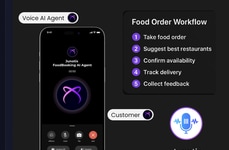 Enterprise AI Agent PlatformsJunotix Creates Human-Like AI Assistants For Enterprise Voice
 AI Shopping AgentsSalesforce Expands Agentforce with AI Shopping Agents
 Autonomous Enterprise AIManageEngine Launches Autonomous AI Agents for Enterprise IT
 AI Workplace AgentsChatGPT Work Automates Multi-Step Projects Across Connected Business Apps
 Agentic AI Customer ToolsSport Clips Launches Its Agentic Review Manager
 AI-Driven Discovery PlatformsTakeda Has Signed With Insilico Medicine's Pharma AI Suite
 AI Budgeting PlatformsPreso Budget Helps Users Understand Spending And Take Control Of Finances
 AI Creative Analytics PlatformsSegwise Uses AI To Help Marketers Improve Creative Performance
 AI Social Media AgentsOlly Automates Social Engagement With Personalised AI-Powered Interactions
 AI Influencer Marketing ManagersUplodio Automates Creator Partnerships With An AI Managers
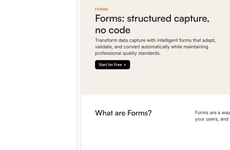 AI Website Builder PlatformsPixelesq Helps Businesses Build, Optimise, And Grow Websites With AI
 AI Portfolio BuildersPagey Helps Creators Build Professional Portfolios In Minutes
 AI Resume Website BuildersHelloCV AI Turns Resumes Into Professional Personal Websites In Minutes
 AI Voice Agent PlatformsPhinVoice Helps Businesses Automate Phone Calls With Human-Like AI
 AI Lip Sync VideosLipSync.video Turns Images And Voice Recordings Into Engaging AI Videos
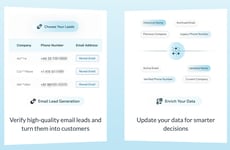 B2B Lead Generation PlatformsReachStream Helps Sales Teams Build Targeted Contact Lists Faster
 AI Bookkeeping PlatformsTaxHero AI Simplifies Tax Management For Early-Stage Startups
 Visual Intelligence PlatformsReka Vision Turns Unstructured Visual Data Into Searchable Insights
 AI Design Workflow PlatformsWeavy Combines Professional Creative Tools And AI In a Visual Space
 AI Animation PlatformsLottielab Helps Designers Create Animations Faster With AI-Powered Tools
 AI Travel PlannersVayajo Creates Personalised Trip Itineraries In Seconds
 Cold Email Automation PlatformsReachkit Helps Businesses Send Smarter Outreach Campaigns At Scale
 AI Software PlatformsPortalX Creates Intelligent On-Screen Guidance To Improve User Adoption
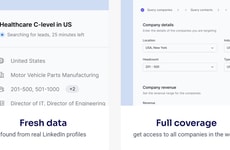 AI Lead Generation PlatformsResearch AI Helps Businesses Find Targeted LinkedIn Leads
 AI Interview Analysis PlatformsPolygrAI Uses Advanced AI To Analyse And Authenticate Interviews
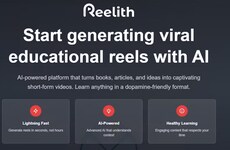 AI Educational Video CreatorsReelith Turns Learning Content Into Engaging Short Form Videos
 AI Podcast GeneratorsBubbleCast Creates Personalised Podcasts Based On Your Interests
 AI Coupon FindersFlash Voucher Uses AI To Find The Best Working Discounts Online
 AI Financial Analysis PlatformsStatistica AI Makes Advanced Market And Data Insights Accessible
 Startup Insights PlatformsQualz.ai Insights Agent Helps Startups Validate Ideas And Find PMF
 AI Content GeneratorsMuapi Creates High Quality AI Images And Videos In Seconds
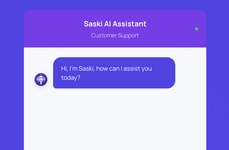 AI Customer Support PlatformsSaski AI Delivers Automated Multichannel Support For Small Business
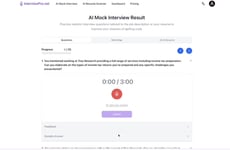 AI Interview CoachesInterviewPro Helps Candidates Practise And Prepare For Job Interviews
 AI Money Recovery ToolsWeRecover AI Finds And Claims Money Hidden In Your Digital Records
 SEO Content PlatformsSEO Content Lead Creates Data Driven Briefs For Search Focused Content
 AI Concierge AssistantsPlaylist Launches a Specialized Virtual Front Desk Assistant
 AI-Assisted Database FeaturesDbSchema Introduced Its AI Assistant Tool for SQL and Schema
 AI Agriculture AssistantsDigiShivar AI Helps Indian Farmers Make Smarter Farming Decisions
 Physics-Based AI Drug DiscoveryGero Combines Physics, AI and Human Data to Target Aging
 Agentic Commerce PlatformsSAP and Google Expand AI-Native Commerce with Open Standards
 Architecture Assistant ToolsOneArch Organizes Software Architecture Decisions And Documentation
 Agentic Resource DiscoveryGitHub Copilot Discovers and Ranks AI Tools for Every Task
 AI Scientific WorkbenchesClaude Science Unifies AI Research Tools for Scientific Workflows
Research
Agentic Shopping Layer
Consumers are open to AI doing the heavy lifting of discovery and comparison, but they still want clarity and control at the moment of purchase.
Brands now face a dual challenge: optimize their products to be readable and recommendable by AI agents while preserving trustworthy, brand-owned environments for final checkout. Those who treat AI as a discovery and routing fabric—not necessarily the endpoint—can capture upside without betting everything on unproven in-chat commerce flows.
Bounded AI Assistants
People welcome AI that speeds up tedious tasks but are uneasy letting it make high-stakes or opaque decisions.
Bounded AI designs acknowledge this by framing AI as an assistant that interprets data and offers options, while humans retain judgment and accountability. This ‘copilot’ approach reduces cognitive burden without triggering fears of loss of control, making adoption more palatable in sensitive arenas like health, beauty, and finance.
Trusted Agentic Shopping
Consumers are ready to let AI narrow choices, auto-fill carts, or even execute purchases—but only if they feel fully in control.
The core tension is between effortless delegation and fear of losing autonomy or being misled. Winning designs will make agency visible: clear settings, human override options, transparent data use, and error correction pathways that let shoppers feel AI is a helpful assistant, not an invisible puppeteer.
Agentic Shopping Gap
Consumers are comfortable letting AI do the heavy lifting of product research and comparison, but they still want to press the final “buy” button themselves.
Trust, liability, and habit all slow the shift from recommendation to autonomous transaction. Brands that treat AI as a research assistant rather than an invisible buyer—providing transparent explanations, clear options, and easy human override—will better match current comfort levels and gradually earn permission for more automated behaviors.