Category
Art & Design
Oven Aesthetics
Consumers search for themed dining experience to satiate a need for adventure.
Trend
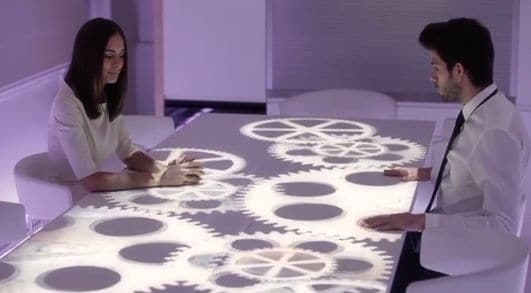
Experiential Eating: Experiential dining is on the rise as consumers' appetite for adventure increases. Restaurants, bars and cafes that cater to this thrill-seeking behavior are turning to immersive spaces to really drive the theme home, suggesting that consumers are responding to more extreme forms of design and decor.
Trend themes
As consumers' appetite for adventure increases, restaurants are turning to immersive spaces to really drive the theme home.
Sustainable, eco-friendly decor is becoming a key feature for restaurants and bars.
Restaurants are incorporating innovative auditory and visually augmentative techniques to elevate the dining experience.
Industry implications
Hotels, bars and restaurants utilize immersive design to offer unforgettable guest experiences.
The rising demand for themed dining experiences presents opportunities for event planning companies to deliver unique culinary experiences.
Restaurants are collaborating with architects and designers to create awe-inspiring spaces that take experiential dining to the next level.
Workshop question
Trend signals
Trend score 4.5 out of 10, from popularity 62%, activity 64%, freshness 8%.
Evidence
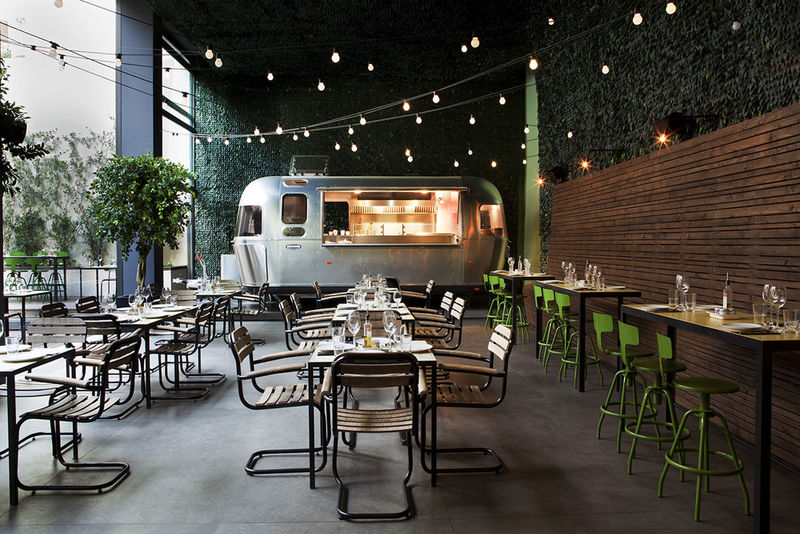
48 Urban Garden in Athens Features a Refurbished Airstream Kitchen
The hospitality industry can attract nature enthusiasts by creating camping-themed restaurants, offering unique dining experiences.
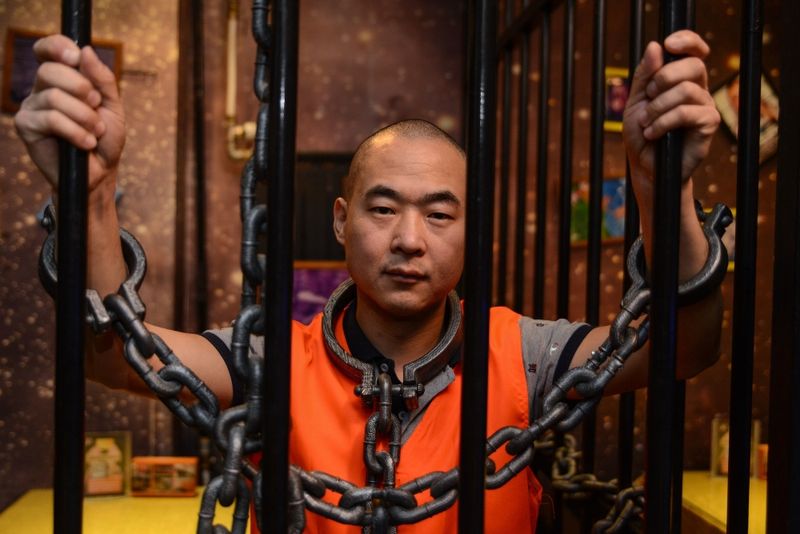
China's Latest Experiential Dining Fad Involves Shackles and a Cell
The hospitality industry can explore innovative concepts like converted prison restaurants to attract customers seeking novel dining experiences.
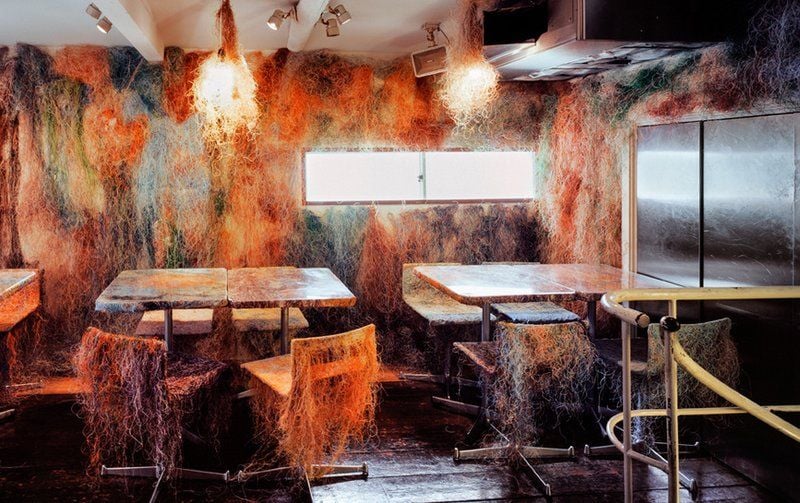
Kengo Kuma's Tetchan Eatery is Crafted From Recycled Cords and Cables
Architects can leverage sustainable design and experiential decor trends to create innovative and eco-friendly buildings and spaces.
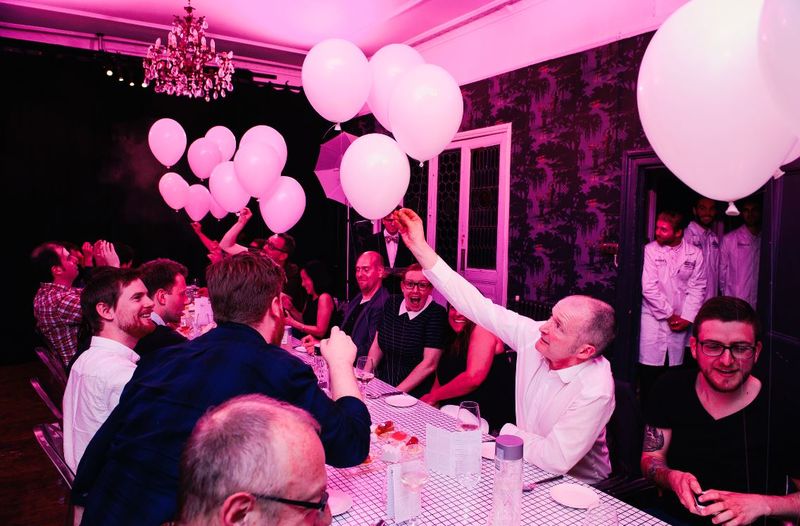
The Sony Multi-Room Audio System Pairs Perfectly with Gastro Fare
Opportunity to create unique dining experiences that can attract customers and create brand loyalty.
Dining at the Hi-Tech Sublimotion Restaurant Costs a Hefty $2,000
The hospitality industry has the opportunity to disrupt traditional dining experiences with innovative lighting and projection mapping technologies.