



Category
Tech
Delegated Interfaces
Seeking accessibility, consumers turn to apps for music-making ease.

Trend
Appified Beat: Bypassing the need for physical instruments, consumers, particularly those keen to mobile technology, are turning to apps as an alternative music-creating solution. Appealing to both music aficionados and those simply looking for digital customization, these apps provide a platform for users to personalize different sounds and beats in a more accessible way.
Trend themes
Apps that provide a mobile platform for music creation are becoming more prevalent, as users seek accessibility and personalization.
Users are drawn to apps that simplify the music-making process and cater to their intuitive musical abilities.
Managing and composing music on-the-go is becoming easier with mobile apps that centralize lyrics, chords, and set lists.
Industry implications
Developers that create apps that cater to user's need for accessibility, customization, and a simplified process are at the forefront of the music technology industry.
With more music production apps becoming available on mobile devices, there is an opportunity for businesses to integrate related technology into their products and services.
Schools, music teachers, and education-focused businesses can benefit from the rise of music-making apps as a way to engage students and make learning music more accessible.
Trend signals
Trend score 4.3 out of 10, from popularity 72%, activity 48%, freshness 8%.
Evidence
Humtap by Tamer Rashad Creates Full Compositions Through Hums and Taps
Innovative music creation software can use Humtap's technology to create more user-friendly, intuitive products.
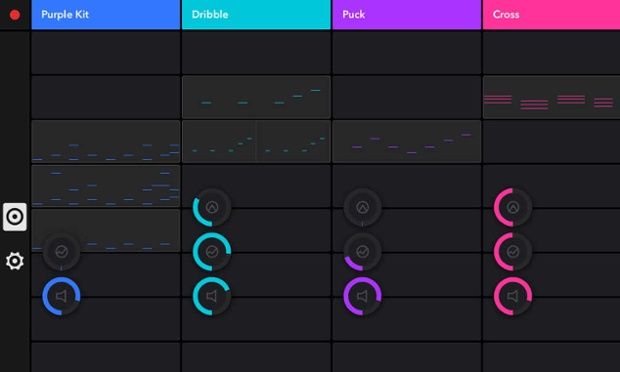
Auxy for iPad Provides a Digital Mobile Space to Create Electronic Music
Opportunity for disruptive innovation in the music production industry by providing innovative tools and platforms for creators.
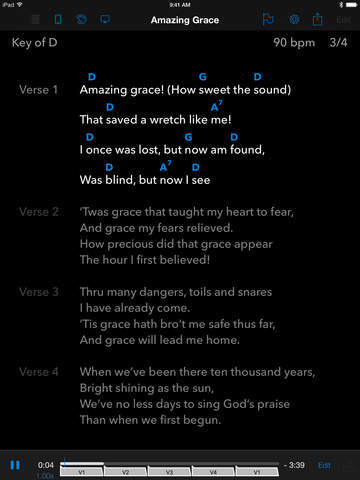
The SongSheet App Enables Musicians to Create and Perform on the Go
Disruptive innovation opportunity: Introduce cutting-edge technology to enhance the way musicians compose, perform, and share their music.
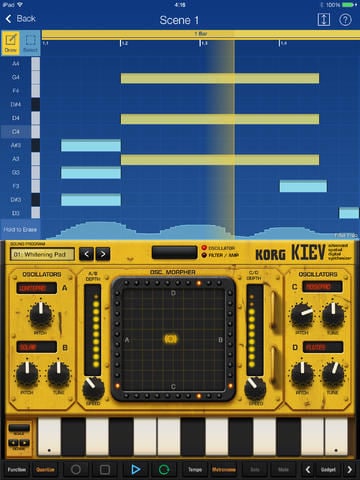
KORG Gadget Helps Users Make Music From Their Smartphone
The use of mobile synthesizer apps presents an opportunity for the music production industry to embrace new and innovative ways of creating music.
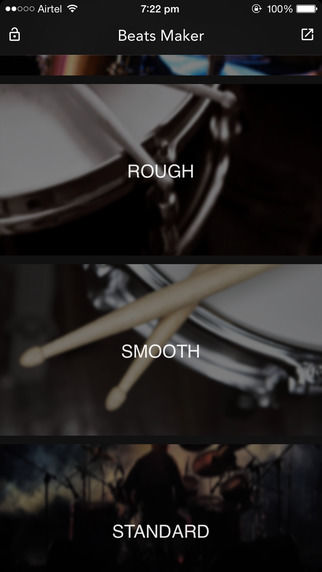
The Beats Maker App Puts Percussion Sounds at Your Fingertips
Developers in the mobile app industry can capitalize on the demand for drumming apps by creating innovative features, user-friendly interfaces, and realistic simulations to enhanc…






