

Category
Autos
Purpose Platforms
Automakers weave machine learning across cabin controls and drive support.


What's Happening
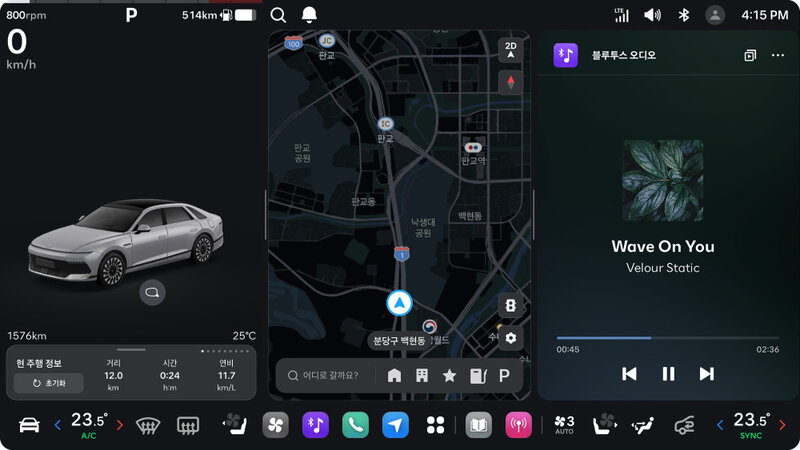
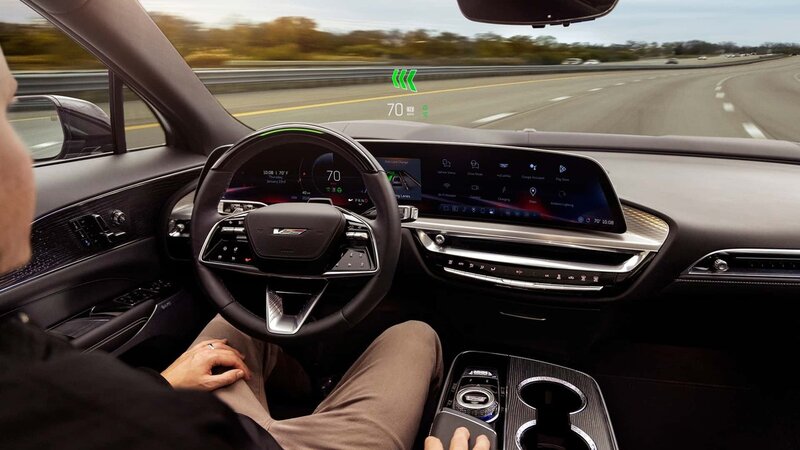
Guided Dashboards: Automakers are moving beyond standalone voice tools and embedding conversational software across navigation, media, settings, and other routine controls. This reframes the vehicle interface as an ongoing layer that interprets requests instead of waiting for manual inputs. Brands are presenting these in-car systems as a way to simplify complex features and reduce friction in everyday use.
Why It's Happening
As vehicle dashboards become more software-heavy, drivers need help managing growing feature complexity while staying focused on the road. Interfaces that can interpret plain requests answer a practical need for lower-effort control. There is also a trust tension: people may accept automated help, but still want to know what the system is doing and when they remain in charge. In a vehicle, that concern matters more because errors feel immediate and physical rather than abstract. Consumers are more likely to value systems that pair convenience with clear cues, predictable behavior, and easy overrides.
Evidence
Hyundai's Pleos Connect Brings Gleo AI into the Car
Connected vehicle platforms are creating new differentiation through AI assistants, continuous software upgrades and deeper integration between hardware and digital services.
Volvo and NVIDIA Develop Safer Automated Driving
Connected electric vehicles with embedded AI computing are reshaping competition around digital performance, autonomous capability, and lifecycle software upgrades.
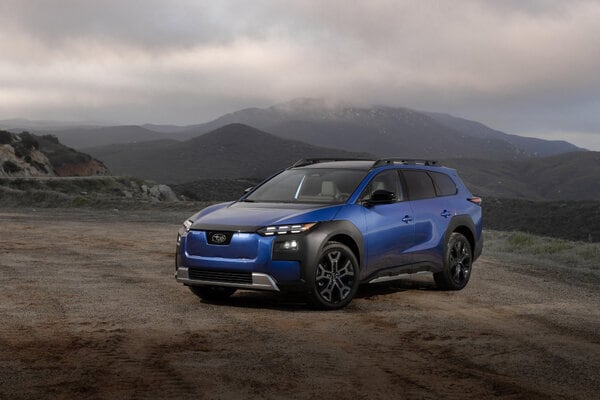
Volvo Integrates Gemini and Advanced Safety Into the XC40
Established automakers can refresh existing models through AI, sensing and software upgrades that extend product relevance without full redesign cycles.
GM’s ‘OnStar AI Assistant’ Reaches the 2027 Cadillac Lyriq
Connected vehicle platforms are evolving into intelligent service ecosystems where AI becomes a differentiating feature across model lineups.
Workshop question
How could your brand make automated recommendations feel transparent and easy to question or override?
Trend themes
Natural-language assistants are shifting dashboards from menu-based interfaces into interpretive control layers, creating room for safer, more intuitive cabin experiences that reduce driver distraction.
Over-the-air updates and embedded AI platforms are extending vehicle value after purchase, opening space for automakers to differentiate through evolving services rather than static hardware.
Advanced sensing, contextual data and explainable assistance are converging around driver confidence, with disruption emerging from systems that balance automation with transparency and human override.
Industry implications
Connected infotainment, driver assistance and AI operating systems are redefining vehicle design, leaving opportunities for integrated platforms that unify safety, comfort and navigation.
Large language models and machine learning systems are moving into physical environments, where reliability, context awareness and clear user control become critical sources of competitive advantage.
In-car app ecosystems, subscription features and live data integrations are broadening mobility revenue models, enabling new partnerships between automakers, developers and service providers.
Trajectory
Latest reading 7.0 for the week of Oct 19, 2026. Holding over the final 3 scored weeks (±0.0), at its peak of 7.0. Momentum 4.0/10, persistence 5.0/10, backed by 1 research finding.
7 Trend Hunter articles were grouped into the wider weekly cluster this trend was identified in, over 3 weeks.
Research
Concerned AI Adoption
Consumers are not adopting AI from pure enthusiasm; many are adopting it because it is becoming embedded in default interfaces.
This creates a new design challenge for brands: usefulness alone is no longer enough, because people want reassurance, transparency, and control while still taking advantage of convenience.