



Category
Tech
Delegated Interfaces
Researchers are drawing on the animal kingdom for robot designs.
Trend
Bio-Robotics: Researchers are drawing on the movements of animals to inspire the designs for robots. The unique ways animals move and the characteristics that enable them to survive in the wild are being utilized for the advancement of robotic design. From movement to design, the animal kingdom could continue to inspire new designs within the robotic industry and add the touch of familiarity needed to bring robotics into the everyday household.
Trend themes
The use of animals as inspiration for design is a growing trend in the robotics industry and could provide new directions for robotic innovation.
Soft robotics is a rapidly growing trend in the robotics industry, allowing for more flexibility and versatility in movements and applications.
Biohybrid robotic technology is a disruptive trend that enables robots to incorporate biological material to function, resulting in greater energy efficiency and new levels of complexity.
Industry implications
The robotic industry is one of the most direct beneficiaries of these trends, with many new directions and opportunities for innovation resulting from these biologically-inspired and soft robotics trends.
The healthcare industry stands to benefit from these trends as biohybrid technologies become more advanced, with possible medical applications such as prosthetics and implants on the horizon.
Eco-friendly robotics and the use of light as an energy source in robotic designs have potentially transformative applications in a wide array of contexts ranging from heavy engineering to scientific exploration, resulting in a new chapter of sustainability research.
Workshop question
Trend signals
Trend score 3.2 out of 10, from popularity 49%, activity 39%, freshness 8%.
Evidence
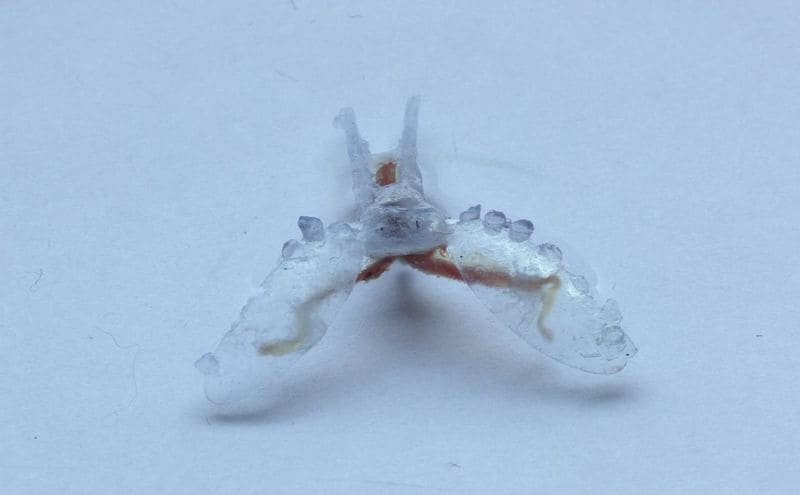
Case Western Reserve University's Bot Uses Muscles from a Sea Slug
The robotics industry can explore the integration of biological materials in robots, leading to the development of more advanced and efficient robotic systems.
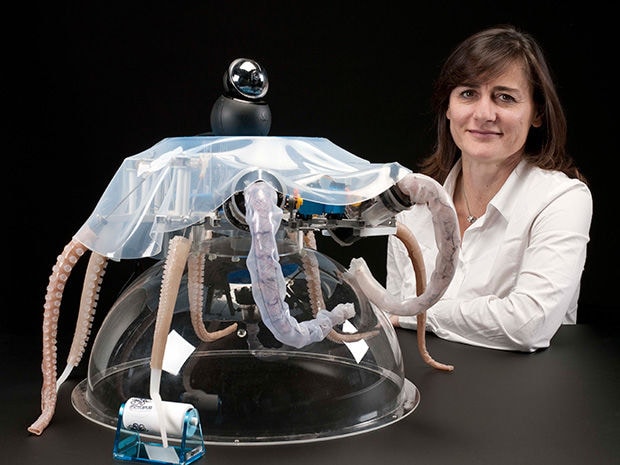
The BioRobotics Institute Has Developed a Self-Propelling Octo-Bot
The soft-bodied robotic octopus has the potential to revolutionize underwater research, enabling scientists to access smaller spaces and interact with marine life more effectively.
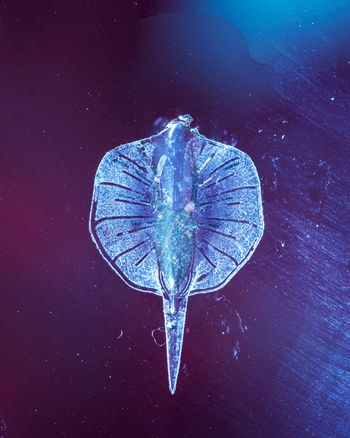
Rat Muscle Was Used to Power a Bio-Hybrid Stingray
Disruptive innovation opportunities in healthcare include the potential for creating biocompatible implants, robotic prosthetics, or even artificial organs using bio-hybrid techno…
This Miniature Soft Robot Relies On Light As a Power Source
Disruptive innovation opportunity in manufacturing industry through the development of robots that are partly or entirely powered by solar energy.
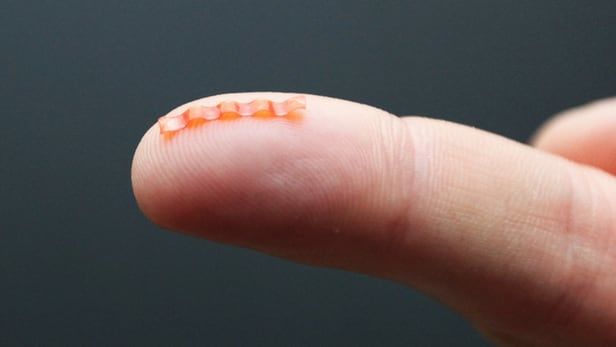
This Soft Robot Was Developed By Harvard University Engineers
The robotics industry can explore new opportunities in soft robotics and bio-inspired designs to create innovative and versatile robots.
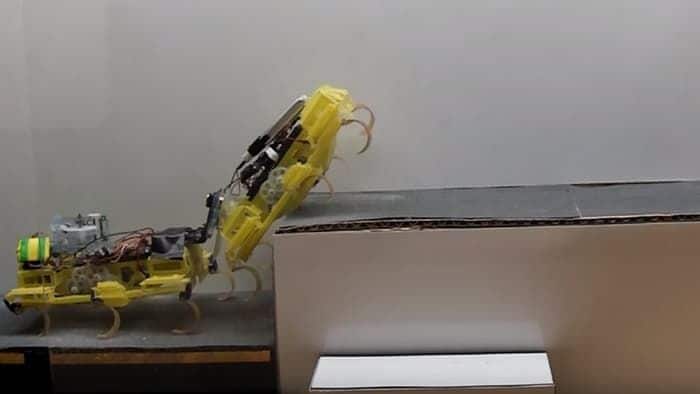
The VelociRoACH Robot is Capable Of Climbing Up Stairs
The robotics industry can leverage cockroach-inspired designs to create advanced robots for various applications like search and rescue or exploration.






