Category
Marketing
Fan Immersion
Brands enhance sensory experiences through abstract packaging materials.
Trend
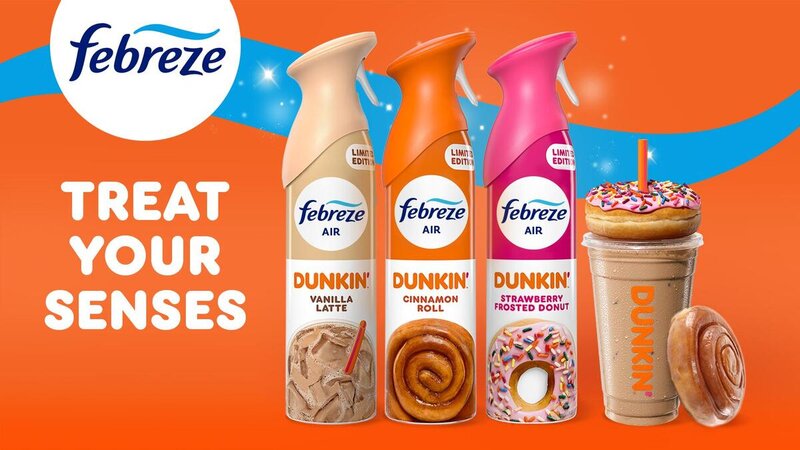
Sensory Branding: Heightening consumer experiences, brands are adding unique textures to their packaging for sensory enticement. Using diverse fabrics and cut-out shapes to add dimension to store-bought goods, these packaging designs help add intrigue to ordinary products.
Trend themes
Brands are adding unique textures to their packaging for sensory enticement, creating opportunities for designers to innovate on the tactile aspect of packaging design
Designers are using diverse fabrics and cut-out shapes to add dimension to store-bought goods, creating opportunities for brands to differentiate themselves through packaging design
Texture-focused branding is becoming increasing popular, as designers use patterns and shapes to create memorable and easily distinguishable packaging
Industry implications
The rise in abstract and texture-based packaging design presents an opportunity for designers and businesses to innovate and differentiate themselves in a crowded market
Texture-based and sensory branding is particularly relevant to the food and beverage industry where brands are looking to entice customers with unique, memorable packaging and product experiences
Texture-based branding and sensory packaging is increasingly relevant to the beauty and skincare industry, as brands look to create luxurious product experiences through packaging and design innovation
Trend signals
Trend score 3.2 out of 10, from popularity 46%, activity 42%, freshness 8%.
Evidence
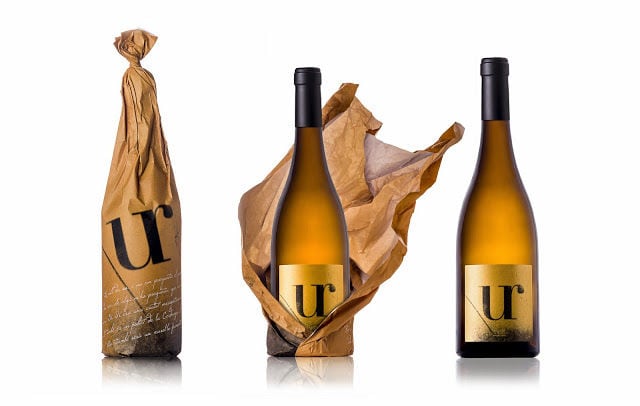
The UR Wine Bottle Comes in a Wrinkled Brown Paper Bag
Innovating wine and beverage packaging with unconventional designs can create a unique selling point for brands and appeal to a broader range of consumers.
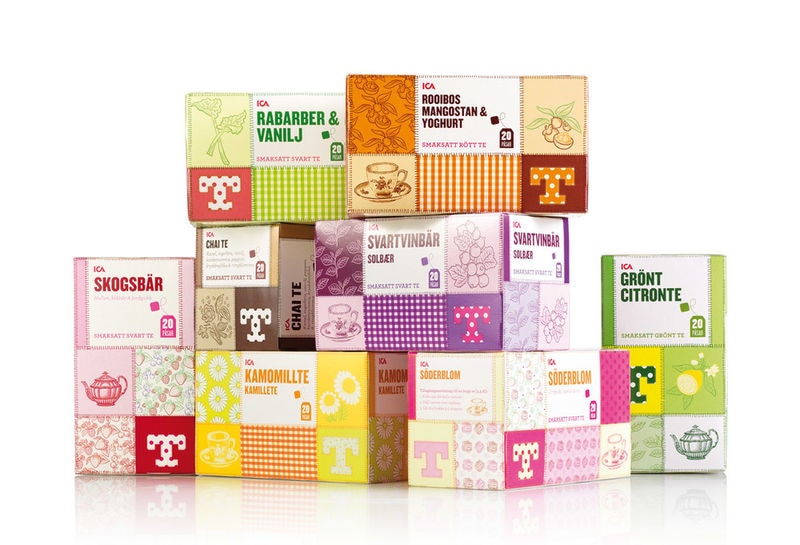
ICA Looks to Handicrafts for Tea Packaging Ideas
Creating unique packaging designs for food and beverage products can increase customer engagement and set a brand apart.
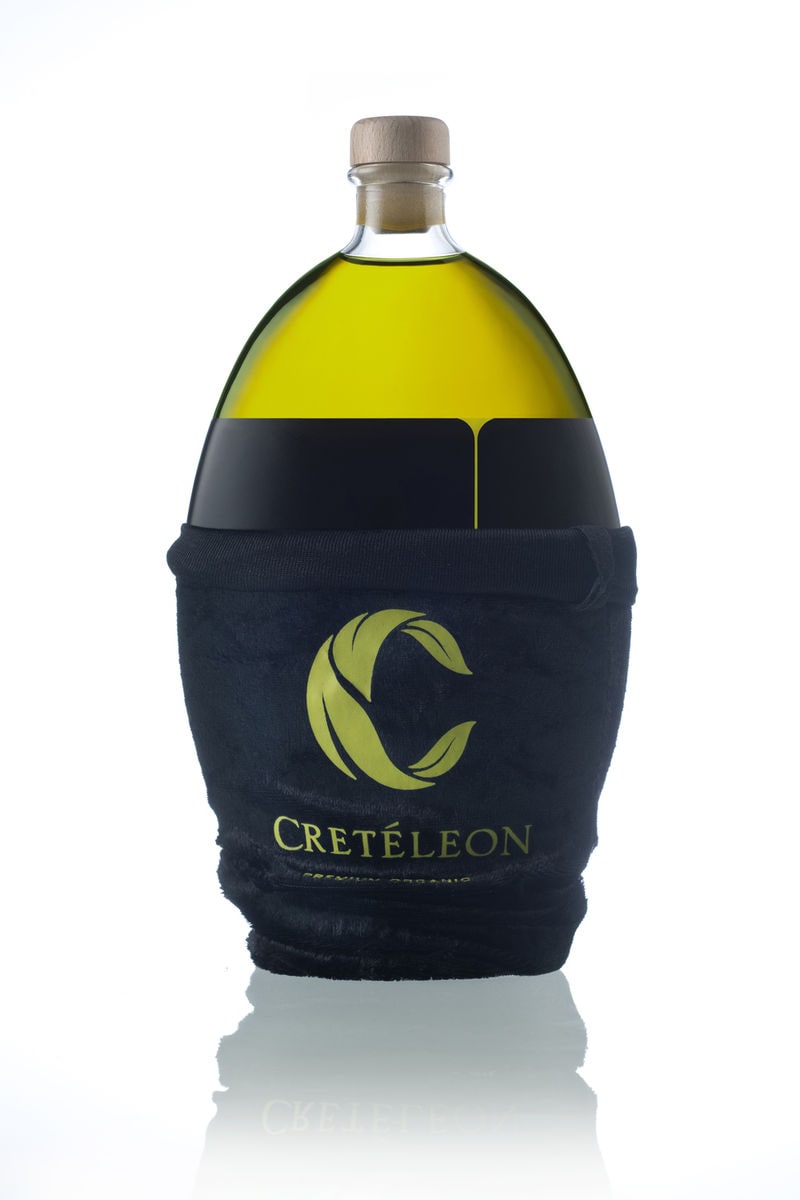
Creteleon Olive Oil Bottle Comes with a Sheath Perfect for Gifting
Disruptive innovation opportunity to revolutionize packaging solutions and enhance the presentation and preservation of food and beverage products.
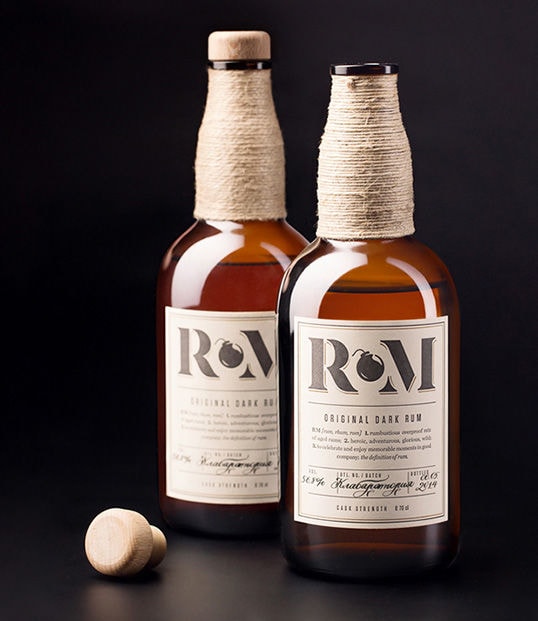
RM Rum is Encased in Beautiful Bottles that Highlight Multiple Influences
The packaging design industry can explore new approaches that combine different disciplines to create visually appealing and functional packaging for various products.
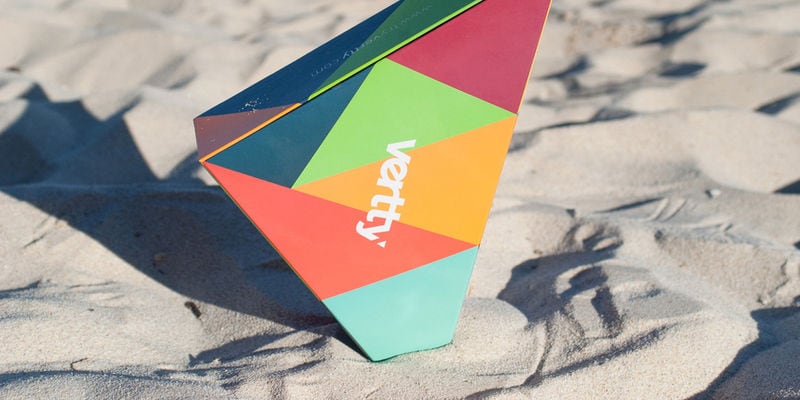
Vertty Towel Packaging Catches Eyes with Sharp and Colored Shapes
The textile design industry can explore shapeshifting fabrics to create unique patterns and customizable products.
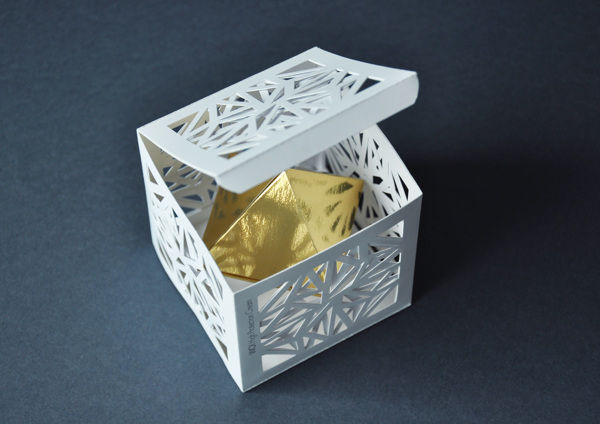
Gaba Guzik's Hand Cream Packaging Concept Adopts an Unusual Shape
The beauty and skincare industry can experiment with abstract packaging designs to differentiate their products and attract consumers.
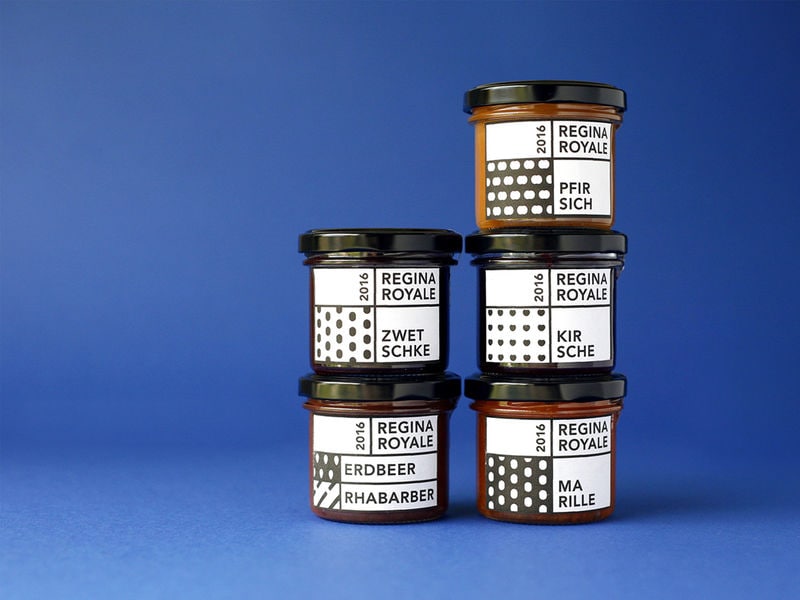
The Regina Royale Jam Labels are Modern and Easily Distinguished
Innovative packaging designs for food products like jams can help brands stand out in a crowded market and appeal to consumers looking for something new.
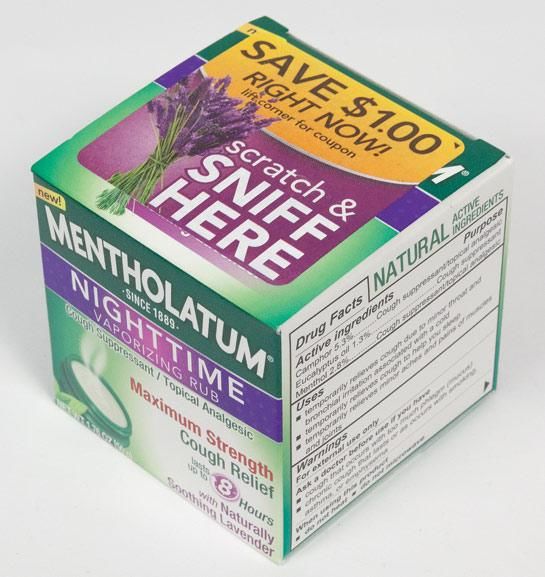
Mentholatum’s Vapor Rub Features a Lavender Scratch-and-Sniff Panel
Incorporating scents into skincare packaging or labels to provide an extra sensory experience for customers.
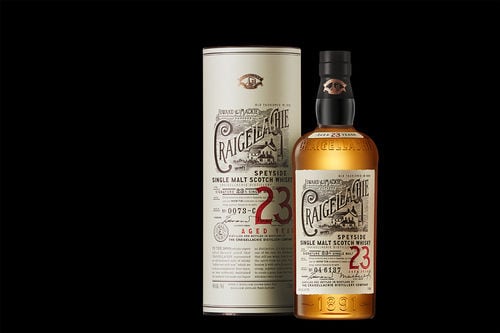
The New Labels on the Craigellachie Whiskey Bottle Layer Images & Text
Design companies can explore new creative techniques like layered labels and embossing to enhance product branding.