
Category
Pop Culture
Ritual Assembly
Brands frame everyday orders as themed, shareable cultural occasions.


What's Happening
Narrative Menus: Quick-service and beverage brands are packaging routine launches as tightly themed experiences instead of single-item releases. Meals, sandwiches, sauces, drinks, and packaging are built around one recognizable concept to make the offer feel more like an occasion than a standard order. Brands are using story-led promotion to refresh established menu segments without overhauling the core product.
Why It's Happening
Consumers are making food choices in an environment shaped by entertainment, cultural references, and short attention spans. Familiar themes help them quickly understand what a promotion is and whether it feels worth trying. Recognizable eras, formats, and fandoms can make something feel new while still reassuring people that they know the tone, taste territory, or experience they are buying into. Brands that make familiar categories feel timely, low-friction, and socially expressive may have a stronger chance of earning attention.
Evidence
The Boomer King Menu Celebrates Retro Television Culture
Fast-food operators can differentiate seasonal promotions by pairing menu innovation with entertainment-inspired themes and exclusive merchandise.
The Boomer King is a Limited-Edition Promotional Meal from Burger King
Limited-time nostalgic meals offer restaurant chains a way to differentiate commoditized menus through entertainment-led packaging and collectible incentives.
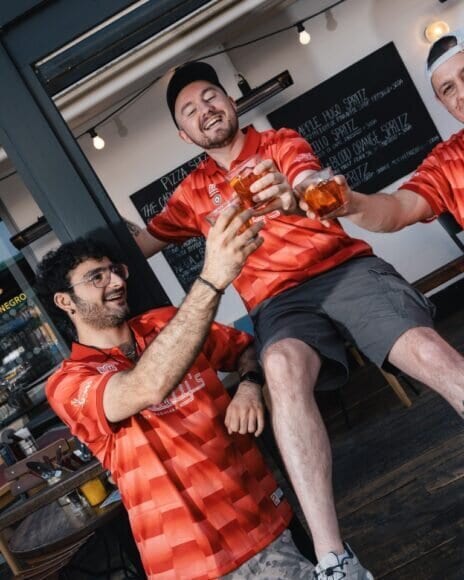
Rudy’s Pizza Napoletana Negroni Week Campaign is Celebratory
Merchandise-led offers provide restaurants with new ways to drive foot traffic, online sales, and social visibility around seasonal events.
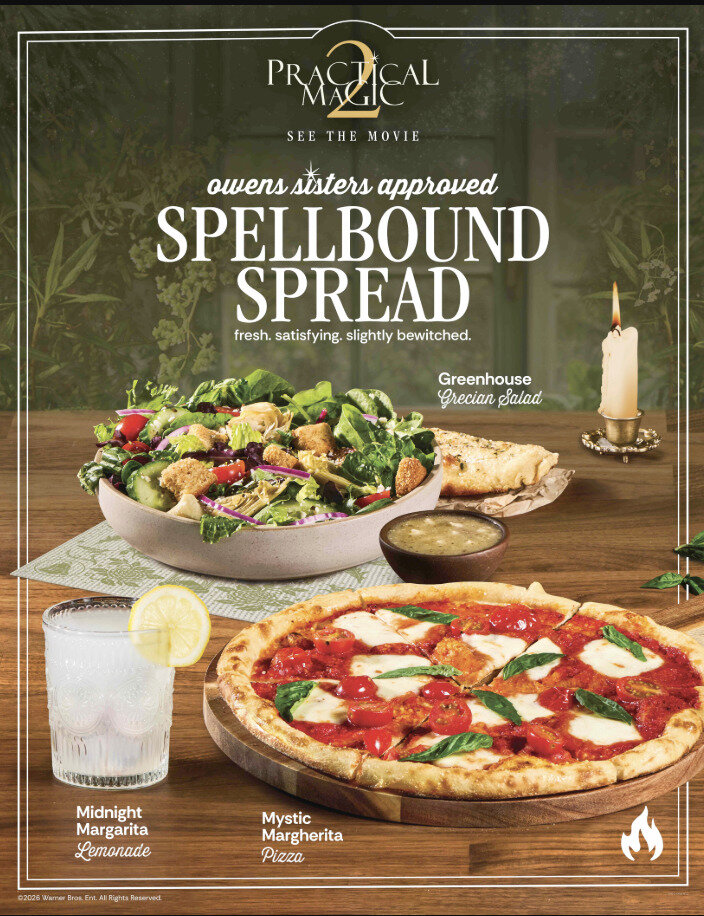
Blaze Pizza's Spellbound Spread is Inspired by 'Practical Magic 2'
Brand partnerships with major entertainment studios can differentiate seasonal menus while increasing repeat visits through collectible, time-sensitive offerings.
Workshop question
How could your brand turn a routine purchase into a simple themed experience people want to revisit and share?
Trend themes
Retro media references and era-specific cues are turning familiar meals into emotionally resonant purchases, creating space for brands to monetize memory through collectible, limited-run food experiences.
Entertainment properties, sports culture, and themed merchandise are increasingly shaping menu promotions, opening new potential for restaurants to function as accessible extensions of fan participation.
Everyday food and drink launches are being framed around social moments and shareable rituals, making routine purchases feel more culturally relevant without requiring major product reinvention.
Industry implications
Menu platforms with high customer frequency are well positioned to test narrative packaging, branded bundles, and collectible mechanics that refresh established items through cultural context.
Film, television, and streaming brands can extend audience engagement through edible collaborations that translate story worlds into tangible, social consumer experiences.
Cocktail, soft drink, and zero-proof brands have opportunities to embed themselves into themed meal occasions where cultural partnerships make beverages part of the storyline rather than add-ons.
Trajectory
Latest reading 7.5 for the week of Aug 17, 2026. Holding over the final 3 scored weeks (+0.1), −0.1 from its peak of 7.6 in the week of Aug 3, 2026. Momentum 5.0/10, persistence 10.0/10, backed by 4 research findings.
4 featured from 18 articles in the wider cluster over 5 weeks. 4 evidence articles across 5 weeks, 0.8 a week on average. Busiest was Aug 17 with 2. Scores as of the week of Aug 17, 2026.
18 Trend Hunter articles were grouped into the wider weekly cluster this trend was identified in, over 5 weeks.
 Movie-Themed Collectible CansBERO Celebrates Spider-Man with Limited-Edition Beer Packaging
 K-Pop Beverage BrandingJINRO Celebrates K-Pop Culture with Limited-Edition Green Grape Soju
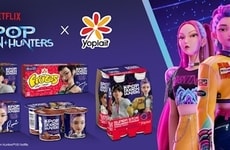 Animated Musical Dairy ProductsThe KPop Demon Hunters x Yoplait Range is Here for Back-to-School
 Co-Branded Protein FloatsDavid Protein x Poppi Hosted Sips 'n' Scoops in NYC
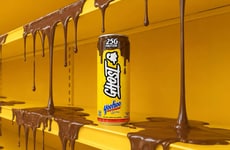 Branded Chocolate Protein DrinksThe Yoo-Hoo Ghost Protein Drink is Made with Ultra-Filtered Milk
 Healthy Snacking PartnershipsWonderful Halos and Blippi Partnered for Back-to-School Season
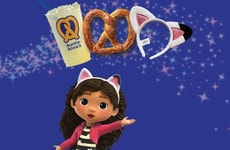 Magical Animation Food PartnershipsAuntie Anne's and Gabby’s Dollhouse Partnered
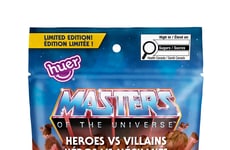 80s-Era Cartoon GummiesHuer Foods Masters of the Universe Gummies are Retro
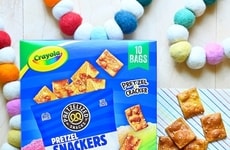 Crayon-Paired Pretzel SnacksPRETZELIZED x Crayola Packs are Launching for Back-to-School Season
 Hydrating Candy-Like Drink MixesCore Nutritionals and Big League Chew Partnered for Drink Mixes
 Collectible Brand LicensingHI-CHEW Enters MGA's Miniverse with Miniature Candy Collectibles
 Character-Driven MerchandiseG-SHOCK and NIGO Launch Exclusive Figures, Apparel and Accessories
Research
Aesthetic Lifestyle Sips
For young consumers, what they eat and drink is part of their personal brand.
Beverages and treats that map onto micro-aesthetics and subcultures let them signal who they are—or who they want to be—on social platforms. By packaging products as curated lifestyle kits, brands help consumers participate in trends with low effort, turning everyday purchases into self‑branding tools and content prompts.
Flavor As IP
As GLP‑1s and wellness trends nudge people toward fewer, smaller eating occasions, each bite has to work harder emotionally.
Multi-sensory, highly visual flavor campaigns turn a dish or limited-time offer into IP—something to be collected, shared, and remembered. Operators who invest in storytelling, soundscapes, and aesthetics can command attention and premium pricing, even when portions shrink.
Memory Routes
Travel is being protected when it does more than provide escape; it now has to justify itself as relationship capital or identity capital.
Families want trips that feel legacy-building and worth pooling money around, while younger travelers want experiences that prove taste, curiosity, and belonging. That pushes brands to package travel not as generic relaxation, but as a story consumers can inherit, perform, and remember.
Sour Mood Splurges
When the macro outlook feels bleak and institutions seem unreliable, consumers look for control and comfort in the micro-moments they can still shape.
They gravitate toward brands that deliver tangible value and emotional reassurance—little treats, mood-lifting experiences, and purchases that affirm identity—rather than lofty promises about the future. This tension between pessimism and pragmatic optimism is driving demand for products that feel both sensible and uplifting, from elevated basics to accessible experiential indulgences.