Category
Tech
Delegated Interfaces
New immersive accessories translate physical movements into actions in VR.
Trend
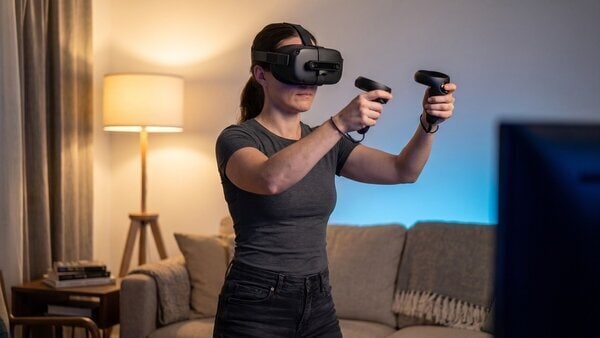
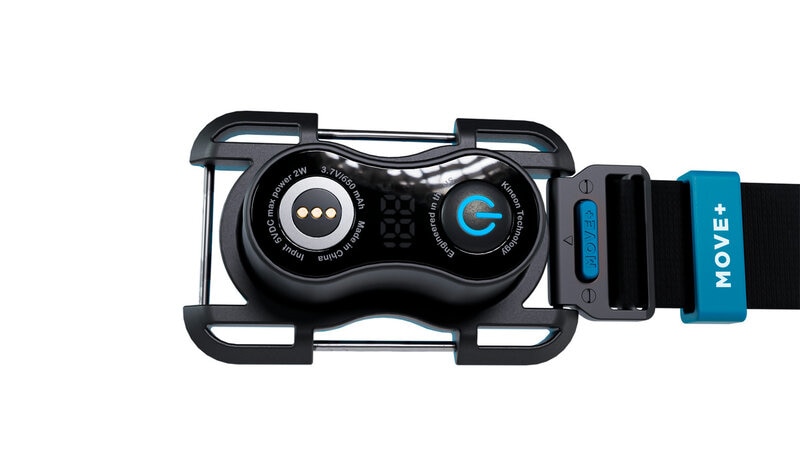
VR Movement: Brands are launching accessories, such as treadmills, shoes, and sensors, designed to enable physical movement in VR worlds. These devices allow users to simply walk in real life to move in digital spaces—aiming to improve immersion and streamline the process of learning VR.
Insight
Despite the continued advancement of VR and AR technologies, using these tools still feels alienating to many consumers. These consumers find the separation of their physical actions with the animations they see in VR jarring, and thus gravitate towards VR products that feel more natural and seamless. VR technology companies are acknowledging this desire and are creating accessories designed to be intuitive, effective, and easy to learn.
Trend themes
Brands are launching accessories to enable physical movement in VR worlds, improving immersion and streamlining the process of learning VR.
Consumers gravitate towards VR products that feel more natural and seamless, prompting VR technology companies to create intuitive and effective accessories.
Tech startups and companies are developing innovative VR wearables, such as robotic movement systems and all-action treadmills, pushing the boundaries of future VR and metaverse designs.
Industry implications
The gaming industry can reference trends in immersive accessories and all-action VR treadmills to create more realistic and interactive gaming experiences.
The fitness industry can explore the use of VR technology and VR treadmills to enhance workout experiences and make fitness more enjoyable and engaging.
The training and simulation industry can leverage VR wearables and accessories to create realistic training environments for sectors such as industrial training, defense, and healthcare.
Workshop question
Trend signals
Trend score 5.5 out of 10, from popularity 79%, activity 67%, freshness 21%.
Evidence
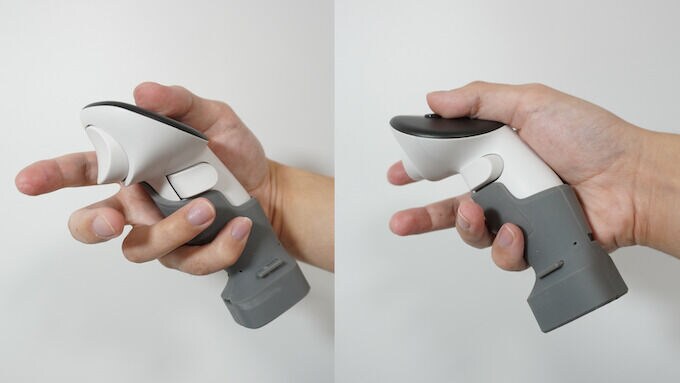
The Yubitora+ Finger Tracking Device is for the Meta Quest
The Yubitora+ finger tracking device presents disruptive innovation opportunities for the virtual reality industry, improving user interaction and immersion in VR environments.
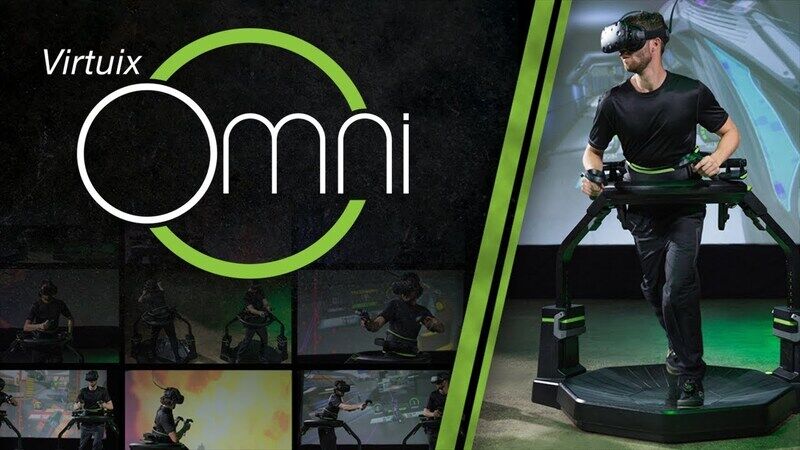
Virtuix's 'Omni' Enables Seamless Locomotion in Virtual Reality Apps
Virtuix's Omni One and its ecosystem contribute to the advancement of virtual reality technology, enhancing the way users interact and experience virtual environments.
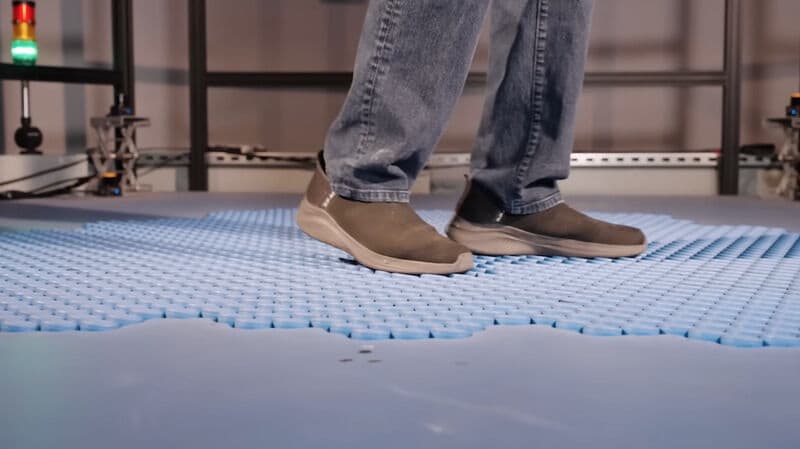
Lanny Smoot Designs the HoloTile to Move in Any Direction
Omnidirectional flooring like the HoloTile can revolutionize theme park experiences, providing immersive and interactive landscapes.
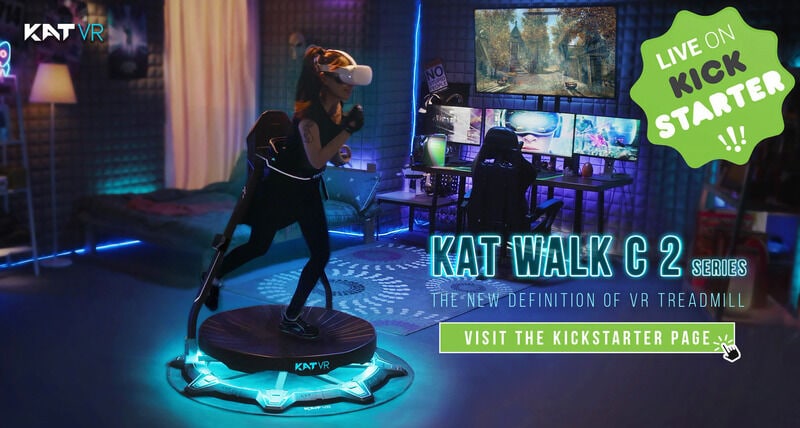
Kat Walk C2 is a Revolutionary Gaming Treadmill Without Limitations
Incorporating VR technology in gaming products can provide innovative experiences for users
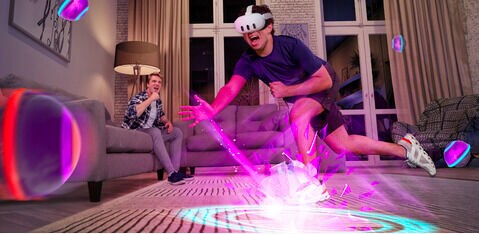
FitXR Slam Has Over 1,000 Classes Available
FitXR's virtual workout studio showcases the potential of VR technology in revolutionizing the fitness industry.
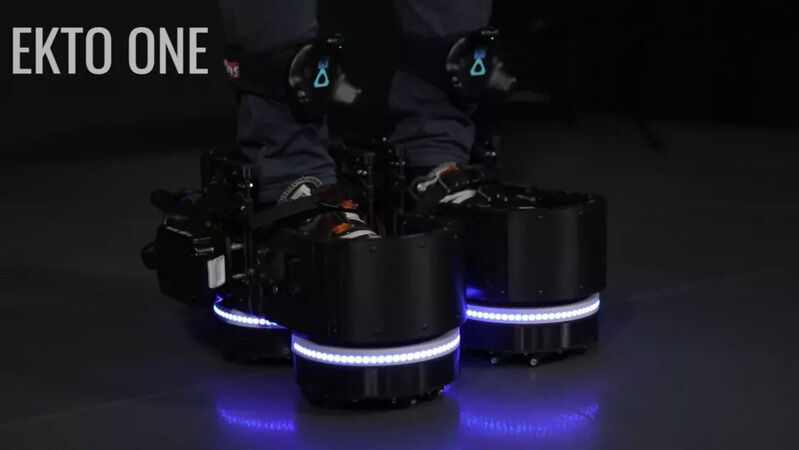
The EKTO One Boots Feature Motorized Wheels to Keep Users in One Place
Gaming industries can use haptic wearable devices to create an immersive virtual world where players can interact with the game environment in real-time using physical movement.