



Category
Tech
Delegated Interfaces
COVID-19 has forced brands to become creative with how they hold events.



Trend
Virtual Events: The lack of events taking place because of the COVID-19 pandemic has affected both brands and consumers' social lives. Alternatives some brands are investing more in are online events--where consumers can view products and experiences, and connect with one-another virtually.
Insight
At a time when collective anxiety is high, consumers are looking for any small means of escapism that distracts them from the unusual reality they're currently facing. These consumers are taking up new hobbies, honing different skills, or attending various types of virtual experiences as a means of keep their schedules full, and their minds occupied.
Trend themes
As the COVID-19 pandemic continues to disrupt in-person events, brands are investing in virtual events, creating opportunities for collaborative storytelling and the possibility of wider audience reach.
Virtual events have the potential to build lasting virtual communities and networks based around niche interests or shared values.
As consumers look for ways to escape and stay occupied during times of social distancing, brands are creating unique at-home experiences that allow consumers to engage with their products and services in new and exciting ways.
Industry implications
The hospitality and event planning industry can adapt their business models by offering virtual events to consumers, creating opportunities for increased audience reach and increased engagement through collaborative storytelling.
The media and entertainment industry can leverage virtual events to provide audiences with at-home entertainment options, leading to new business models and revenue streams.
Consumer goods and retail brands can create at-home experiences that allow consumers to engage with their products in new and exciting ways, leading to potential increased sales and brand loyalty.
Workshop question
Trend signals
Trend score 5.4 out of 10, from popularity 84%, activity 70%, freshness 9%.
Evidence
The Virtual Whiskey Show Supports At-Home Sampling
Event planning companies can explore incorporating virtual components into their offerings.
Boë Gin Debuted a Quarentine-Friendly Cocktail Club for Anyone Over 18
The alcohol industry can capitalize on the trend towards virtual events by offering virtual tastings, mixology classes, and other experiences.
Marriott International Launched Engaging At-Home Experiences
The hospitality industry can explore hosting virtual events and at-home entertainment initiatives to generate revenue and engage with customers during travel restrictions.
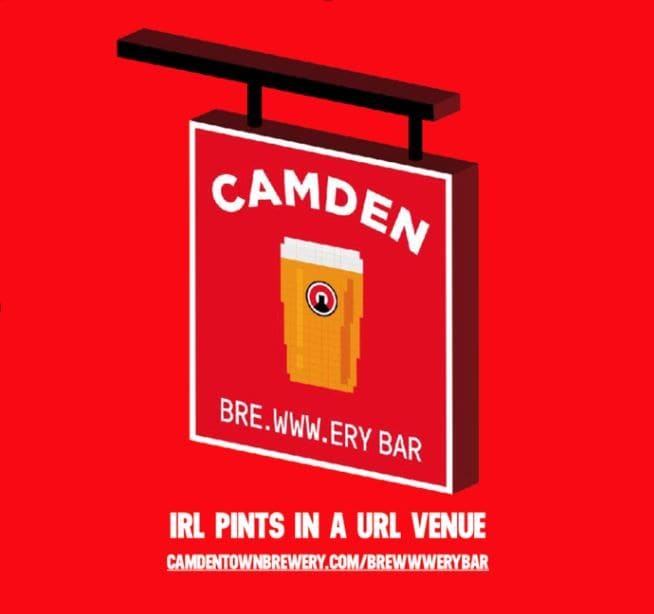
Camden Town Brewery is Uniting People by Hosting Events on Social Media
Breweries can host virtual events and offer delivery services to engage with customers and support social distancing measures.
Bottega Veneta Launches a "Theatre of Joyous Distraction"
Fashion brands can create virtual residencies to promote creativity and engage with their audience during lockdowns.






