
Category
Tech
Deskside Sound
Game inputs fuse touch displays with physical controls.
What's Happening
Tactile Screens: Gaming hardware is increasingly being designed to make portable and streamed play feel closer to traditional gaming. Cross-device controllers, customizable inputs, and touch-enabled controls help create a more consistent experience across phones, tablets, and gaming systems. As play becomes less tied to a single device, dedicated hardware is helping narrow the gap between where games run and how they feel to play.
Why It's Happening
Consumers increasingly play across phones, tablets, streaming services, and dedicated gaming devices, making flexible accessories more valuable than single-purpose hardware. As players balance the convenience of touch controls with the precision of physical inputs, hybrid controllers help bridge that gap across different play environments. With the controller becoming one of the few consistent elements in a fragmented gaming ecosystem, brands are focusing on adaptable inputs that make interaction feel familiar, portable, and customizable regardless of screen or platform.
Evidence
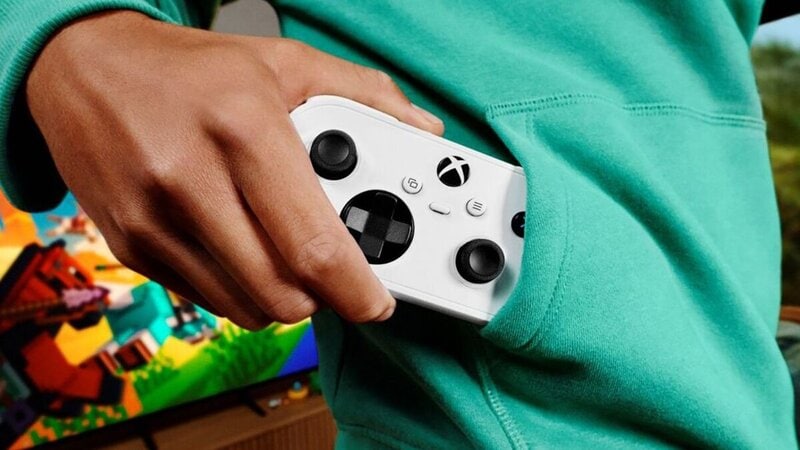
Xbox Shrinks the Nano Controller for Smaller Hands
First-party device makers can segment controllers by size, comfort, and portability as gaming audiences become more diverse.
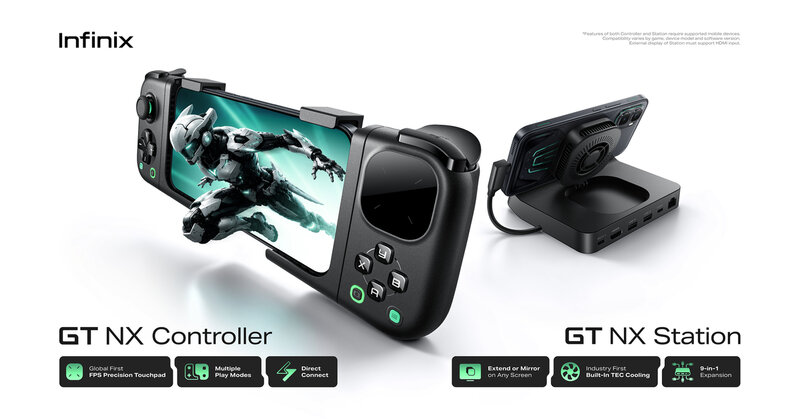
Infinix Turns Smartphones Into Portable Gaming Systems
Console-style smartphone ecosystems introduce new revenue potential through peripherals, competitive play enhancements and deeper player retention.
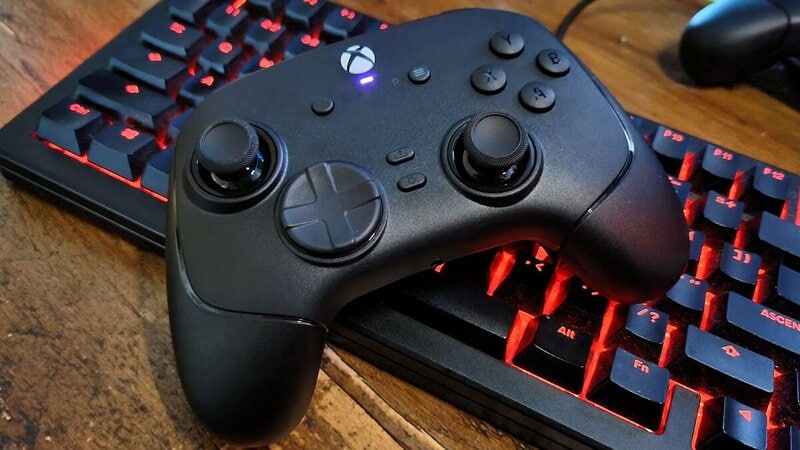
Razer Adds Contactless Sticks To Xbox Controller
Advanced sensor integration and customizable ergonomics are reshaping controllers into specialized performance devices rather than standardized accessories.
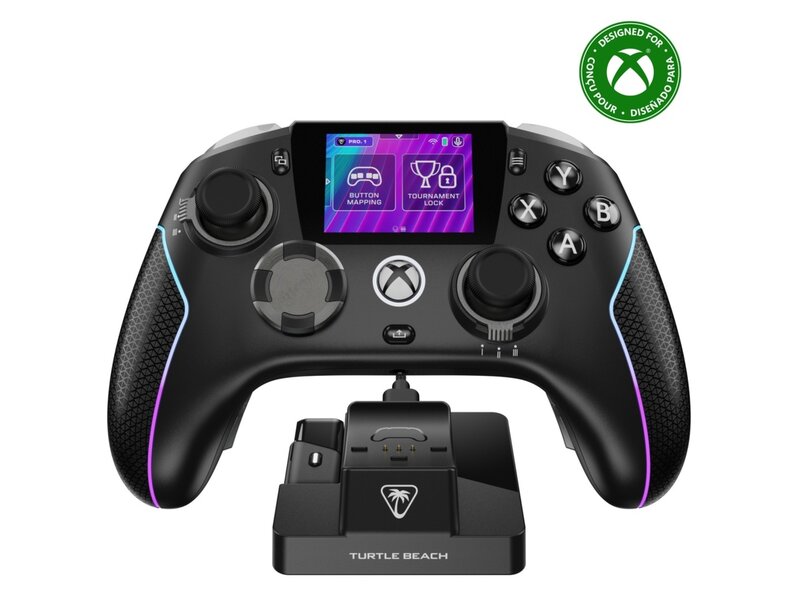
Turtle Beach Adds TMR Sticks and a Larger Screen to Stealth Ultra II
Controller makers are competing through embedded customization, advanced sensors, and bundled accessories that elevate peripherals into premium performance ecosystems.
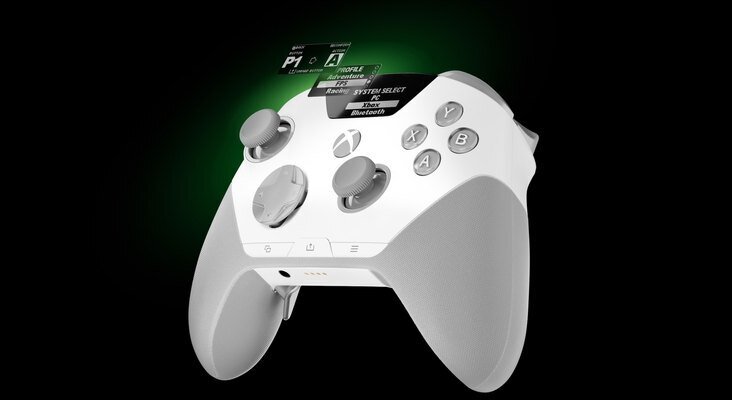
SteelSeries Lets Players Switch Between PC and Xbox
Premium controllers with advanced customization expand the category beyond basic input devices into high-margin ecosystems tied to software and accessories.
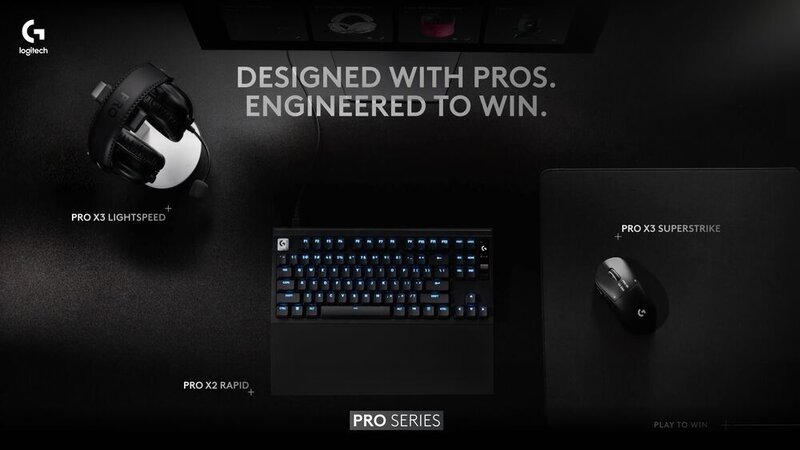
Logitech G Adds Adjustable Clicks and Keystrokes
Advanced sensors, magnetic switches and software-linked customization are expanding the category beyond standard accessories into performance-optimized systems.
Workshop question
How could your brand make one product feel intuitive across multiple devices and use contexts?
Trend themes
Physical buttons, touchscreens, haptics, and on-device displays are converging into controllers that make digital interfaces feel more precise, tactile, and adaptable across play styles.
Gamers moving between consoles, PCs, phones, tablets, TVs, and cloud services are creating demand for accessories that preserve familiar input experiences across fragmented ecosystems.
Adjustable actuation, remappable buttons, modular parts, and performance tuning are turning controllers and peripherals into configurable tools shaped around individual comfort and competitive preferences.
Industry implications
Premium peripherals are expanding beyond basic compatibility as brands integrate sensors, screens, battery systems, and modular components that differentiate devices through feel and responsiveness.
Smartphones and tablets are becoming fuller gaming environments as docks, cooling systems, controllers, and display connections close the gap between mobile convenience and console-like performance.
Streaming-based play is elevating portable controllers, compact form factors, and cross-device input consistency as key enablers of gameplay that is less dependent on dedicated consoles.
Trajectory
Latest reading 8.0 for the week of Oct 19, 2026. Holding over the final 3 scored weeks (±0.0), at its peak of 8.0. Momentum 6.0/10, persistence 5.0/10.
14 Trend Hunter articles were grouped into the wider weekly cluster this trend was identified in, over 3 weeks.
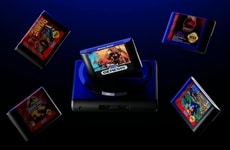 Wireless Retro Cartridge ConsolesAnalogue Builds Wireless Support Into Its Super Nt and Mega Sg
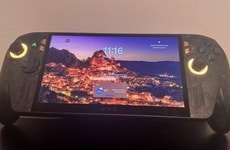 OLED Gaming HandheldsAsus Adds A Brighter OLED Screen To Its Gaming Handheld
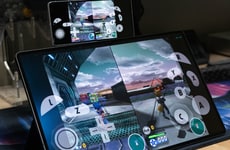 Cross-Platform Emulator FeaturesDolphin Emulator Brings Netplay to Android Builds
 Edge AI Gaming SystemsDFI Brings Real-Time Analytics to Gaming Machines
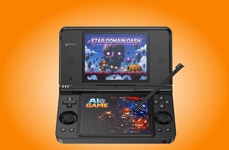 Dual-Screen Gaming DevicesYoniq Duo Is a Dual-Screen Handheld Game Device
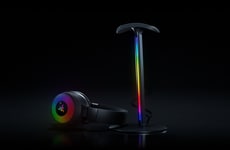 Automated RGB Headset StandsRazer Introduced Its Base Station V3 Chroma
 Accessible Aesthetic PC CasesHYTE Brings Premium PC Design to a $99.99 Case
 Wireless Open-Back HeadsetsHyperX Cloud Alpha Air Combines Wireless Gaming with Open-Back Audio