Category
Art & Design
Oven Aesthetics
Designers turn to free-flowing features to create a stronger visual connection.
Trend
Structural Fluidity: With consumer interest constantly changing, architects aim to create structural designs that elicit more of an emotion, serving to create a stronger visual impression. The use of fluid lines and curvaceous shapes serves to create an overall relaxing feel, combining minimalist themes with carefree features, speaking to a desire for harmony.
Trend themes
Architects are incorporating fluid lines and curvaceous shapes to create structural designs that elicit stronger emotional connections.
Designers are exploring abstract shapes and forms to create visually interesting and functional structures.
Architects are designing buildings that blend with the natural environment and make use of natural elements like flowing water or smooth curves.
Industry implications
Architects can incorporate fluid lines and shapes, abstract forms, and seamless integration with nature to design emotionally impactful and visually interesting structures.
Construction companies can use new techniques to build structures with fluid shapes and abstract forms, and use sustainable building materials to seamlessly integrate with the natural environment.
Interior designers can take inspiration from the fluid lines and shapes in architecture, exploring abstract forms to create visually interesting and harmonious spaces.
Trend signals
Trend score 4.7 out of 10, from popularity 61%, activity 72%, freshness 8%.
Evidence
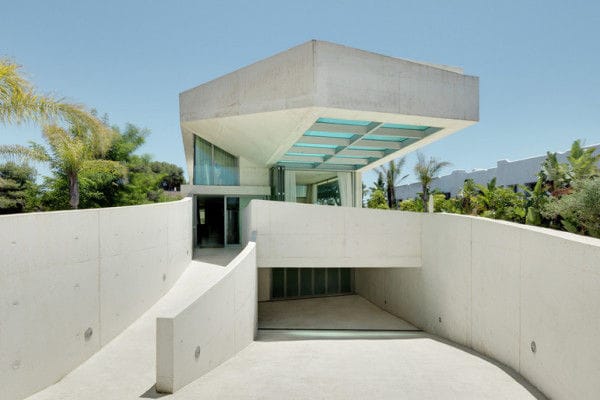
The Jellyfish House by Weil Arets Architects Blends into the Sea
The architecture and construction industry can explore disruptive innovation opportunities by embracing seamlessly fluid designs and aquatically influenced elements in their proje…
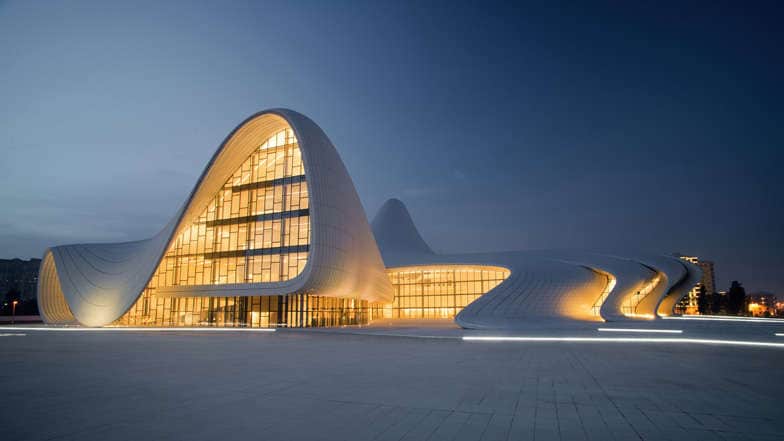
The Heydar Aliyev Centre be Zaha Hadid is Gorgeously Curvy
Disruptive innovation opportunity: Embrace fluid architectural forms to create iconic buildings that capture attention and redefine the urban landscape.
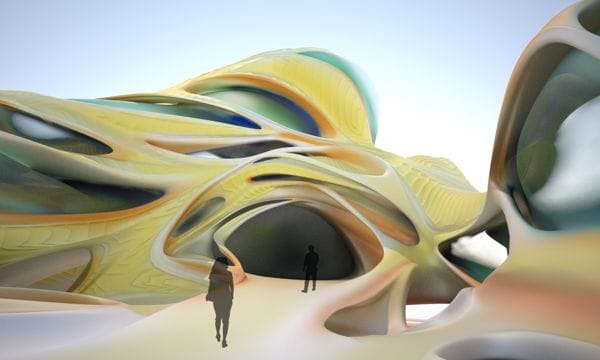
Exquisitely Exuviated Project Has a Biologically Inspired Skin
Architects can embrace the use of organic and biologically inspired design to create innovative and visually stunning structures that stand out in the industry.
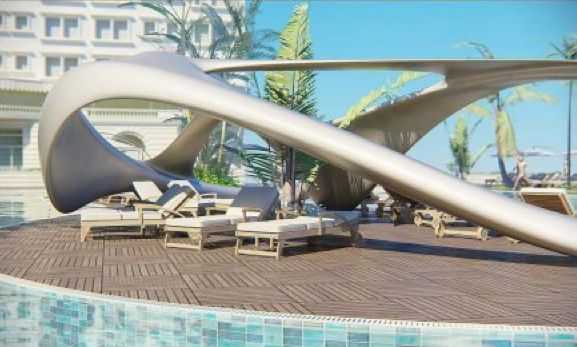
Nikksja Multifunctional Structure Exposes and Encloses Outdoor Spaces
Architects and designers can leverage abstract geometric designs and multifunctional structures in their outdoor projects.