Category
Art & Design
Oven Aesthetics
Temporary nightclub experiences are designed with specific purposes in mind.
Trend
Specialty Nightclub: The traditional nightclub environment has been metamorphosed by non-nightclub related brands to suit their marketing or purpose-based needs. The use of nightclubs as spaces that are simultaneously engaging and educational gives consumers interactive brand experiences that strengthen loyalty.
Trend themes
Brands are transforming traditional nightclubs into spaces that serve their marketing or purpose-based needs.
Activists and citizens are organizing dance parties to promote love, freedom, and justice, and to make political statements.
Installations and vehicles that can turn any space into a nightclub and offer unique experiences are gaining popularity.
Industry implications
Non-traditional nightclub environments serve as experiential marketing opportunities for brands.
Activist dance parties provide a platform for promoting social justice and political action while celebrating diversity and love.
Mobile nightclub installations offer unique experiences and can be used to attract and engage audiences at events and fairs.
Workshop question
Trend signals
Trend score 5.2 out of 10, from popularity 74%, activity 73%, freshness 8%.
Evidence
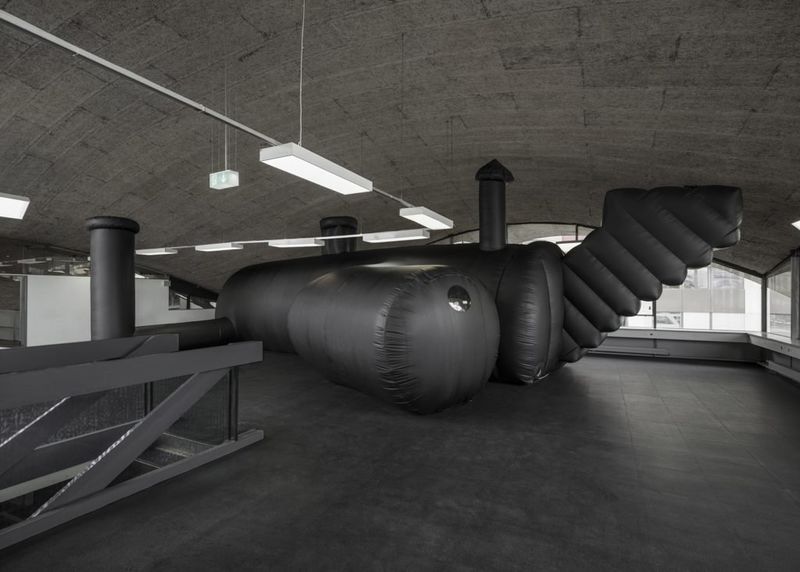
This Blow-Up Building Was Made for the Federation of Swiss Architects' Party
Event planners can use inflatable architecture to create a visually-stunning framework for events and parties.
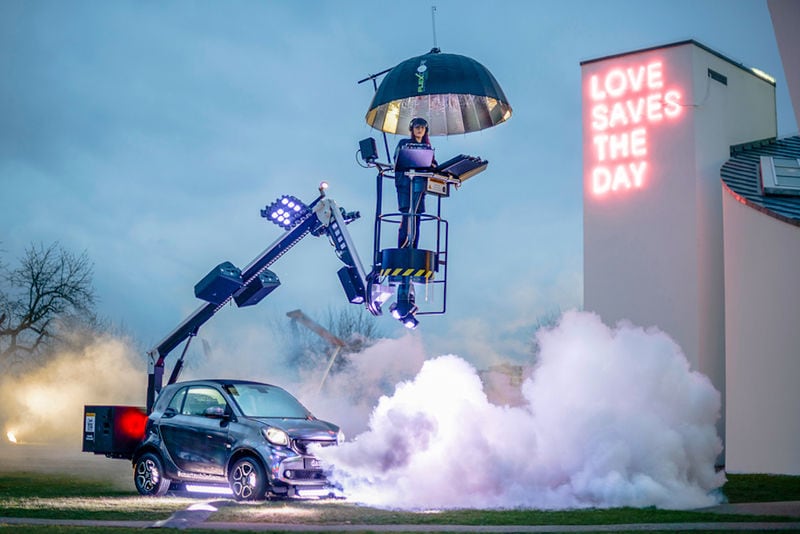
The Smart Mobile Disco Captured Guests' Attention
Opportunity for automotive companies to provide customizable and unique transportation options, such as electric vehicle transformations for events.
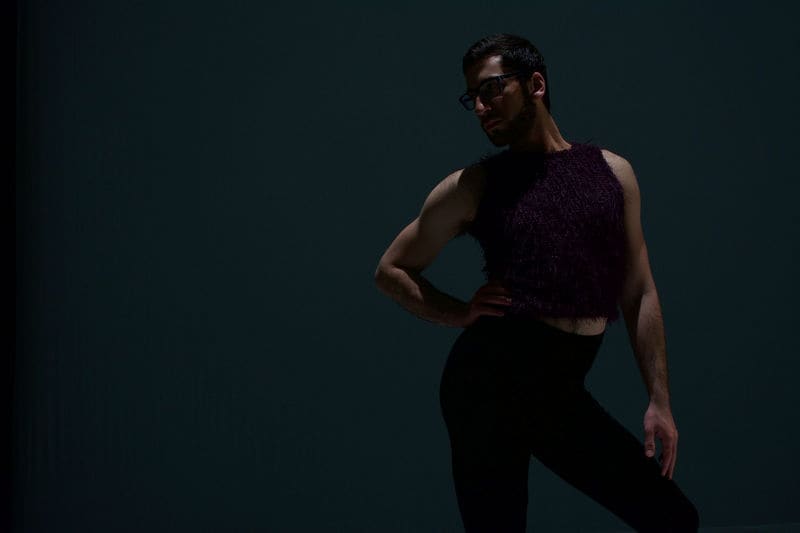
'WERK for Peace' Planned a Glitter-Heavy Party to Show Their Pride
Disruptive innovation opportunity: Event planners can specialize in organizing activist dance parties, providing a platform for marginalized communities to come together and voice…
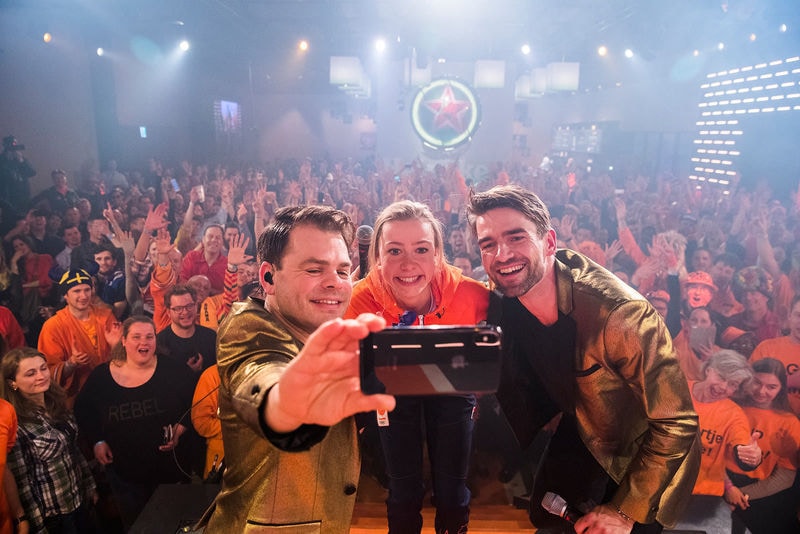
The Holland Heineken House Celebrated Dutch Athletes in Pyeongchang
Hospitality companies can take advantage of creating authentic cultural experiences for their customers, especially during large events.