Category
Lifestyle
Ritual Beverage
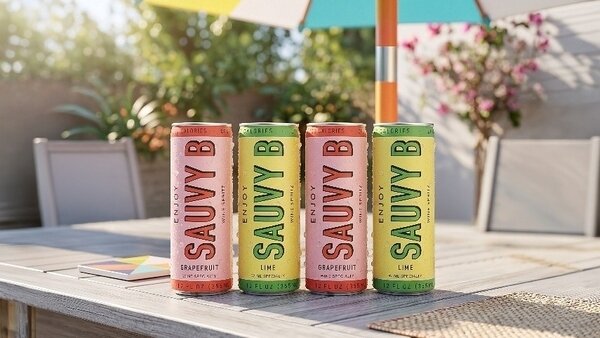
Brands are sizing seasonal indulgences to support moderation and frequent treating.
Trend
Ritual Treating: Sweet launches are balancing indulgence with signals of control, using portioning, lighter ingredient profiles or utility-led formats to make treats feel easier to justify. Across candies, layered drinks and mini bites, reduced sugar, free-from claims and functional benefits are turning seasonal indulgence into a small, repeatable ritual.
Trigger
Consumers are navigating the tension between pleasure and control, wanting to reward themselves without losing their sense of restraint. The novelty of a new flavor, format or seasonal twist draws them in, but it’s a manageable format, one that softens the sense of excess, that seals their decision. When gratification is packaged to fit a moderation-minded routine, the choice requires less internal negotiation, letting consumers act on the craving without weighing it against the budget or health goals.
Workshop question
Trajectory
Latest reading 6.6 for the week of Sep 14, 2026. Holding over the final 3 scored weeks (−0.1), −1.9 from its peak of 8.5 in the week of Aug 31, 2026. Momentum 3.2/10, persistence 10.0/10, backed by 4 research findings.
Evidence
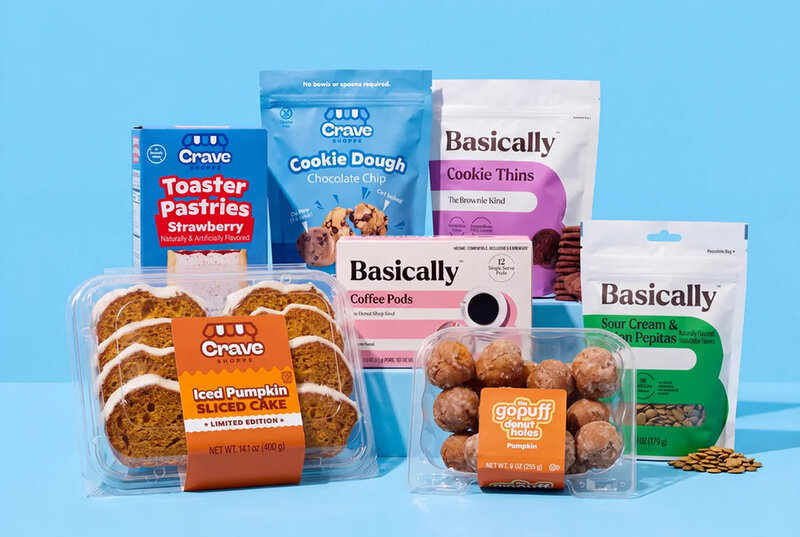
Gopuff Uses Customer Insights to Develop Fall Private Labels
Data-informed private labels give convenience retailers new ways to compete with grocers through faster product launches and more personalized assortments.
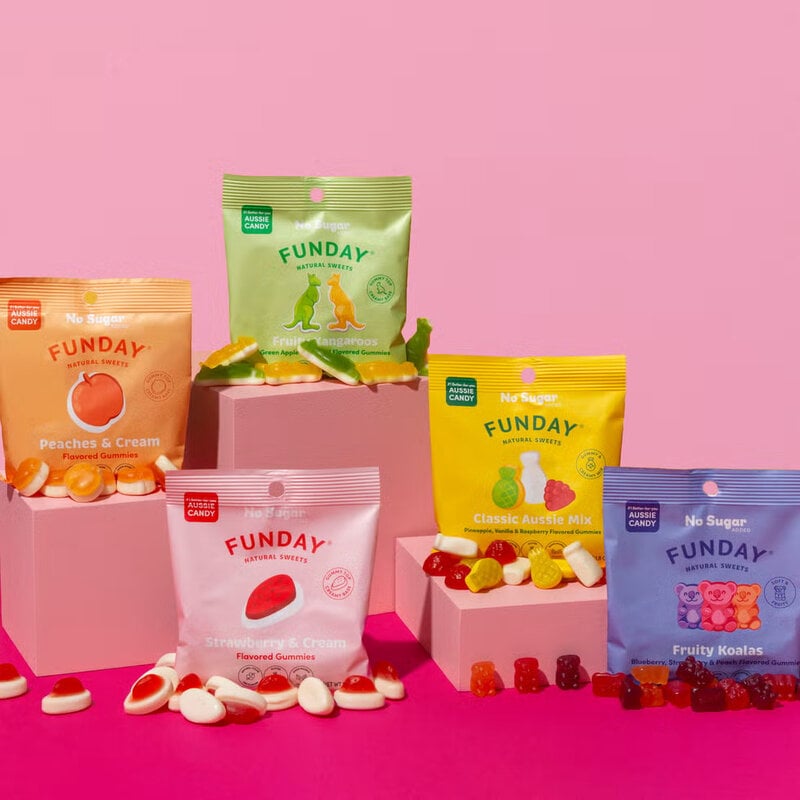
CategoryLifestyleAustralian Brand Funday Natural Sweets Comes To Target Stores
Hybrid gummy-and-foam construction expands product differentiation in a crowded sweets market where texture can become a key purchase driver.
CategoryLifestylePlaya Bowls Pairs Seasonal Flavors with Superfruit Ingredients
Fruit-forward chains are redefining limited-time menus by blending indulgent seasonal cues with health-oriented brand identities.
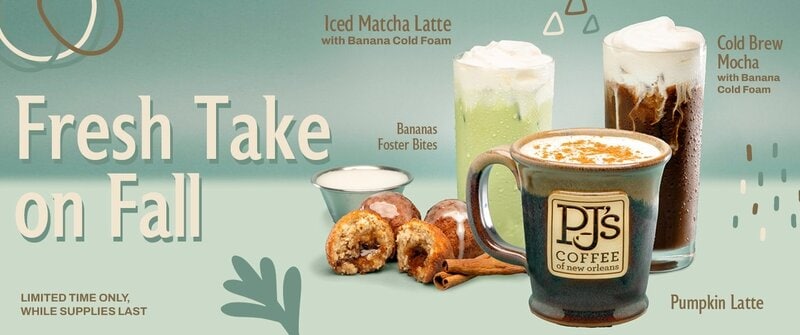
CategoryLifestylePj's Coffee Has a New Banana Sweet Cold Foam for Two of Its Fall Drinks
Cold brew, matcha, and espresso platforms can support higher-margin flavor experimentation through textured toppings and dessert cues.
CategoryLifestyle27 Trend Hunter articles were grouped into the wider weekly cluster this trend was identified in, over 6 weeks.
 Chef-Crafted Ice Cream SandwichesNightingale S'mores Ice Cream Sandwich Supports National Parks
 Gourmet Dessert Flavor PowdersBody & Fit's Flavor Powder is a Dessert-Inspired Flavor Enhancer
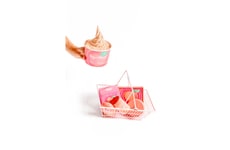 Limited-Edition Peach Frozen YogurtsYogurtland Debuts Sweet Peach Tart with Too Faced
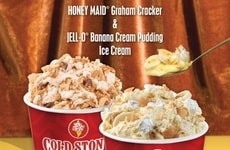 Nostalgic Fall Ice CreamsCold Stone Creamery Introduces Cozy Dessert-Inspired Creations
 Beauty-Inspired Yogurt FlavorsYogurtland Partnered with Too Faced on Sweet Peach Tart
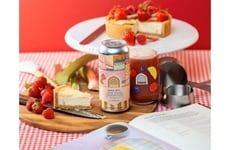 Dessert-Inspired Beer LaunchesVault City Brewing Launches Bake-Off Series Inspired by Desserts
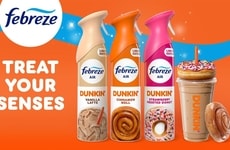 Coffee-Inspired Home FragrancesFebreze and Dunkin' Launched a Scent Collaboration
 Dessert-Inspired Creme BarsHershey’s Launches Salted Caramel and Affogato Creme Bars.
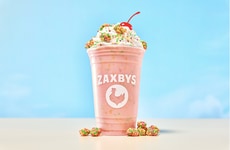 Candy-Infused MilkshakesZaxbys Blends NERDS Candy into Its Strawberry Milkshake
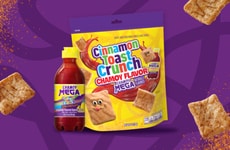 Cross-Category Flavor MashupsCinnamon Toast Crunch and Mega Foods' Chamoy Mega Swapped Flavors
 Cookie Portfolio Growth LinesMondelēz Expands Its Premium Snacking Reach with Tate’s Cookie Line
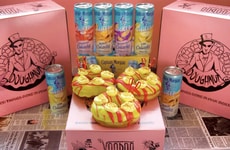 Tropical Doughnut TreatsCaptain Morgan Sliced Colada Variety Pack Inspires a Limited Doughnut
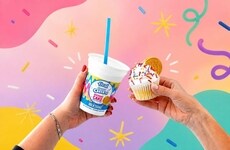 Cookie-Based Frozen Treatsf'real x OREO Launch the 'Golden OREO® Birthday Cake Milkshake'
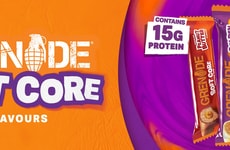 Indulgent Protein BarsGrenade Brought Its High-Protein Snacks to America
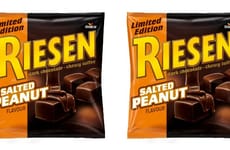 Nutty Salty-Sweet CandiesRiesen Salted Peanut Taps into the Popularity of Swatly
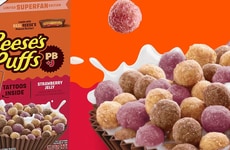 Pb&J-Inspired CerealsReese’s Puffs PB+J Cereal Tastes Like a PB&J Sandwich
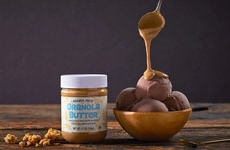 Oat-Based Granola ButtersTrader Joe's Granola Butter Has a Graham Cracker-Like Taste
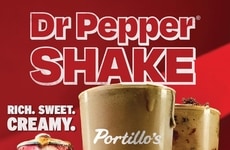 Cake-Infused ShakesThe Dr Pepper Cake Shake is Blended with an Entire Slice of Cake
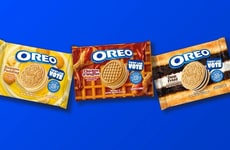 Novelty Flavor CookiesOreo Twist, Lick, Vote Cookies Debut Three Limited-Edition Flavors
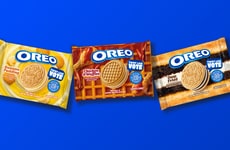 Savory-Sweet Sandwich CookiesOREO's Twist, Lick, Vote Lets Fans Decide the Winning Flavor
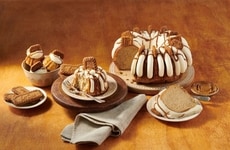 Indulgent Autumnal Bakery MenusNothing Bundt Cakes Fall Menu Has New and Returning Favorites
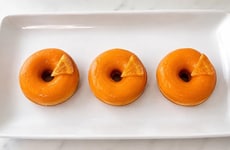 Dirty Soda Bakery FlavoringsEmbassy Ingredients Developed a Series of Nostalgic Flavors
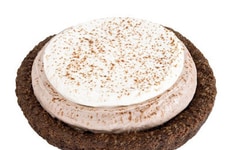 Diner-Inspired Cookie FlavorsCrumbl's Diner Week Lineup Includes a New Mississippi Mud Pie Cookie
Research
Aesthetic Lifestyle Sips
For young consumers, what they eat and drink is part of their personal brand.
Beverages and treats that map onto micro-aesthetics and subcultures let them signal who they are—or who they want to be—on social platforms. By packaging products as curated lifestyle kits, brands help consumers participate in trends with low effort, turning everyday purchases into self‑branding tools and content prompts.
Smaller Indulgence
Consumers still want comfort, taste, and reward, but appetite shifts and health pressure are changing how indulgence is justified.
The new sweet spot is a treat that feels controlled, functional, or premium enough to earn its place despite reduced consumption volume.
Familiar Novelty
Consumers want excitement, but they do not want to feel lost.
Familiar formats lower the risk of trial, while globally specific accents and nostalgic references add enough edge to keep products and menus culturally current. This is why brands are designing flavor as a bridge between comfort and discovery rather than a break from both.
Flavor Theater
Consumers no longer treat flavor as a background product attribute; it has become a form of cultural content.
Brands are turning taste into a shareable event because attention is harder to win and people increasingly want foods that feel like participation, not just consumption.