Category
Art & Design
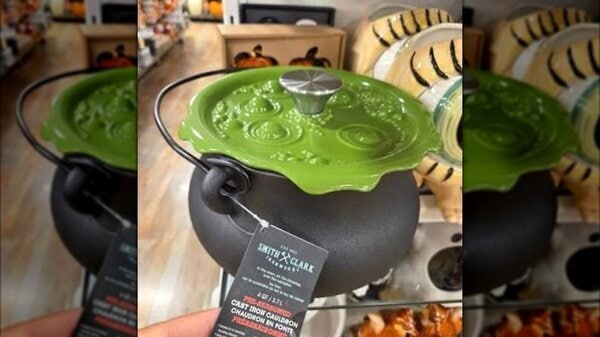
Oven Aesthetics
Minimized redesigns on common items increase their efficiency.

Trend
Reduced Revitalization: It's tempting to add to items in the name of improvement, but minimizing product designs can be even more efficient. Creative tweaks that reduce products to their essential functions can greatly improve consumers' experiences with them. If designers think in terms of the users' real experience with products, they can maximize the usefulness of even the commonest and most entrenched items.
Trend themes
The trend towards minimalism in product design continues to influence product designers and manufacturers, who are seeking ways to remove excess from product designs to improve efficiency.
Designers are finding ways to incorporate increased functionality into consumer products without sacrificing style or aesthetic appeal, such as by incorporating hidden or disguised features.
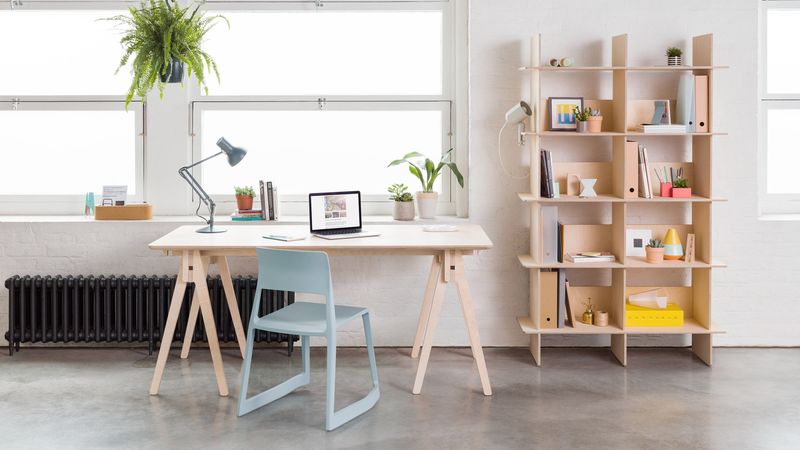
Open-source design is influencing the democratization of furniture design, making quality, attractive furniture more accessible by making assembly easier and more accessible via no-tool installation or traditional carpentry techniques.
Industry implications
The trend towards minimalism and improved functionality presents an opportunity for product designers to streamline designs in order to create products that are more efficient and user-friendly.
Open-source furniture design is democratizing the design process and empowering consumers to assemble solid pieces of furniture that are easy to assemble and constructed using traditional carpentry techniques.
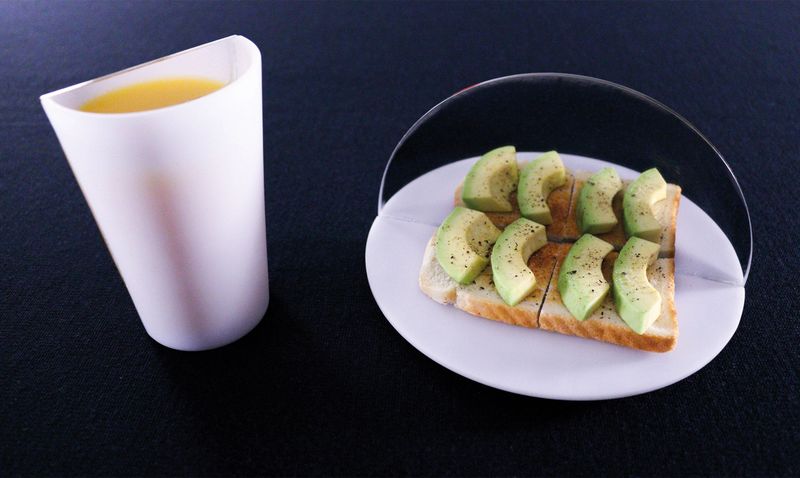
Product designers and manufacturers are incorporating deceptive mirror finishes to influence diners into eating smaller, healthier portions while maintaining the appearance of larger portions.
Workshop question
Trend signals
Trend score 3.5 out of 10, from popularity 41%, activity 55%, freshness 8%.
Evidence
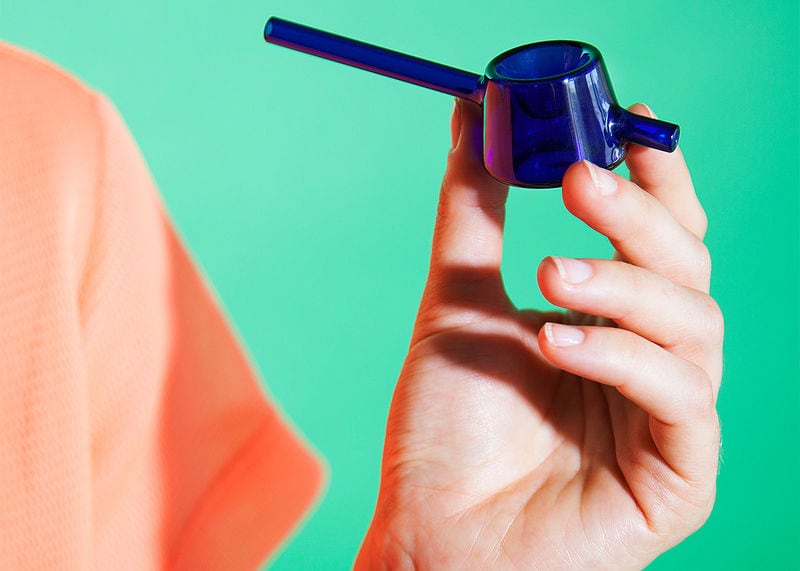
The 'Balance Pipe' Applies Design Principles to Cannabis Culture
The 'Balance Pipe' introduces an opportunity for designers and manufacturers in the cannabis accessory industry to create products with innovative and minimalistic designs.
The Collet Corkscrew Hides Its Key Function Inside a Brass Sheath
The barware industry can benefit from offering more sophisticated and attractive tools like the Collet Corkscrew.
Opendesk's New Bundle Desk and Linnea Can Be Assembled Using Joinery
Furniture manufacturers can explore open-source designs and tool-less assembly methods to streamline production and make sustainable furniture more accessible to consumers.
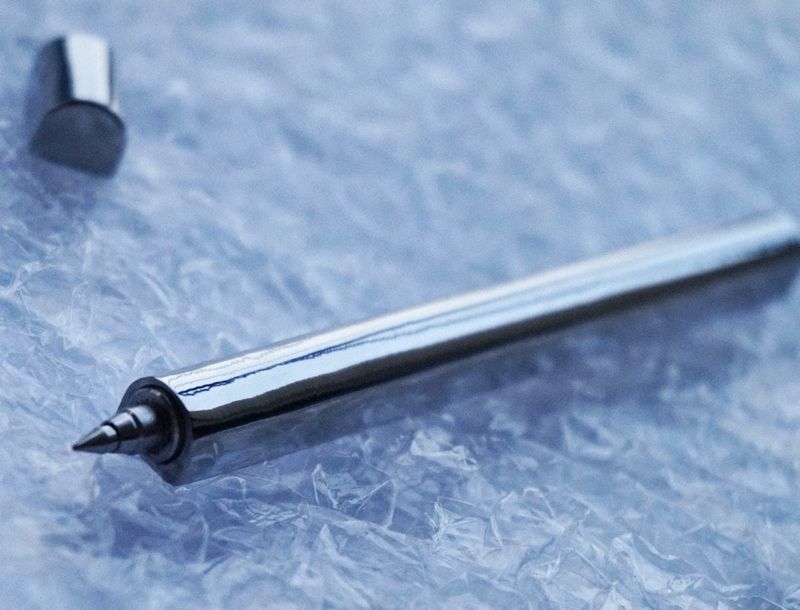
This Stainless Steel Pen Offers Users a More Ergonomic Grip
Opportunity for manufacturers in the stationery industry to create pen designs that prioritize ergonomics and comfort for users.
'Half/Full' Tricks Diners Into Thinking They've Eaten More
Innovative tableware that creates the illusion of larger portions is a disruptive innovation opportunity in the interior design industry.
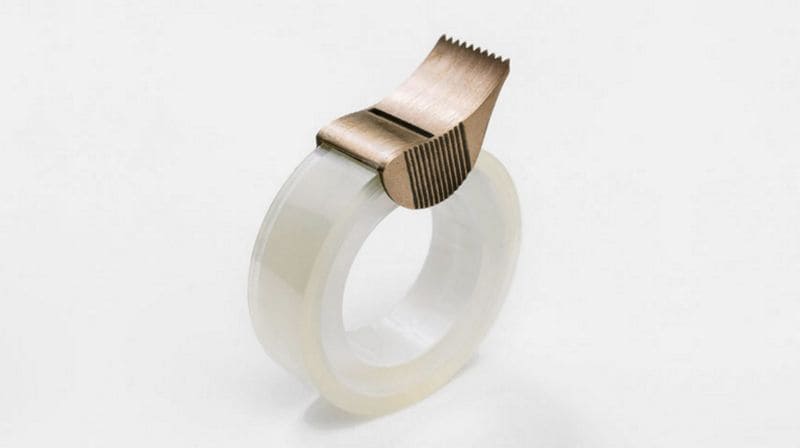
The Zyp-Zyp Tape Dispenser Ends Fiddling with Rolls of Tape
Opportunity for disruptive innovation in the design and functionality of stationery and office supplies, particularly tape dispensers.