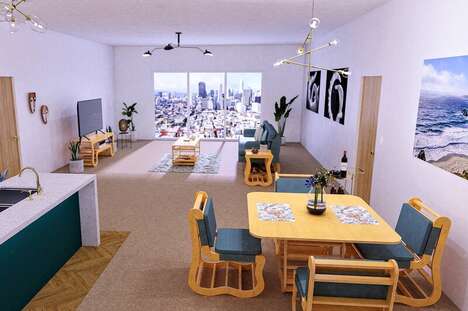
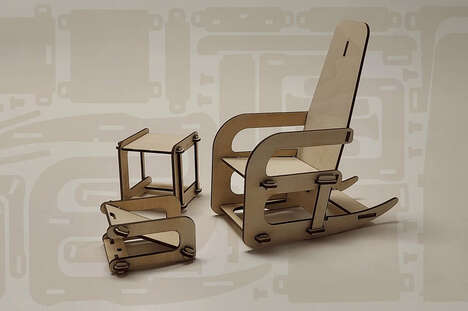
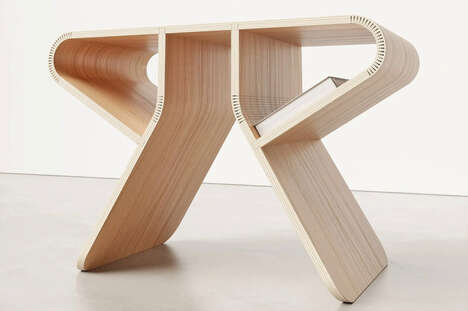
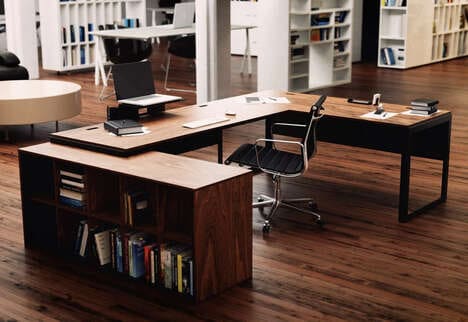
Opendesk, the open-source furniture brand, has released two new pieces of furniture that further democratize the process of acquiring high quality, attractive items. The company collaborated with designers in Chicago and London to create a desk and a shelving unit that not only have open-source designs but can also be assembled without the need for any tools whatsoever.
The Bundle Desk and Linneas bookshelf, as the two pieces are named, make use of traditional Japanese joinery. Without any screws, hinges, nails, or glue, consumers can construct the solid pieces thanks to the ingenious carpentry technique.
Consumers can purchase flat-packed versions of furnishings for assembly at home, or they can download the specs for the pieces (as well as any other Opendesk products) on the company's website if they're interested in cutting and shaping them on their own.
What's Driving This Trend
- Open-source Furniture
- Further development of open-source furniture can lead to the democratization of product design and distribution.
- Tool-less Assembly
- Tool-less assembly method is a promising disruptive innovation that can potentially save costs and time, while reducing waste and carbon footprint.
- Traditional Joinery Techniques
- Reviving traditional joinery techniques can provide unique selling points for products and appeal to consumers who value craftsmanship and sustainability.
Who This Affects Most
- Furniture Manufacturing
- Furniture manufacturers can explore open-source designs and tool-less assembly methods to streamline production and make sustainable furniture more accessible to consumers.
- Home Improvement
- Home improvement companies can offer services to customize open-source furniture designs for customers, or provide tool-less assembly kits as a value-added service.
- Woodworking
- Woodworking artisans can leverage their skills in traditional joinery to create unique, high-end products that appeal to a niche market of sustainability-conscious consumers.