Category
Lifestyle
Protein Personalization
Trend
Mood Tech: Scientists have long been interested in the factors that can change a person's mood, such as colors, sounds and temperature. Now, designers are applying these concepts into innovations that can detect a user's emotions and mood and even alter it. From video game joysticks that can sense feelings to devices that can enhance your mood, these creations center on novelty as well as provide a way to tap into a customer's emotions -- literally.
Trend themes
Designers are creating innovations that can detect a user's emotions and mood and even alter it.
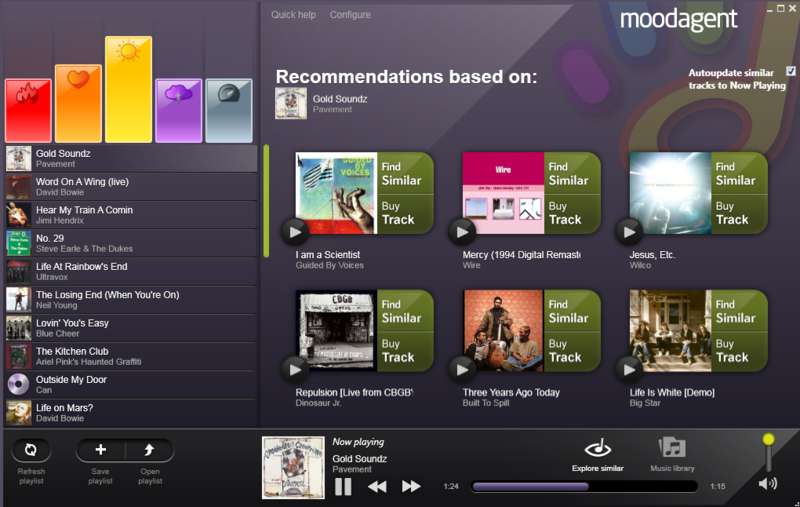
Happiness apps are becoming prevalent, such as MoodAgent -- an app that can create a playlist depending on how the user is feeling.
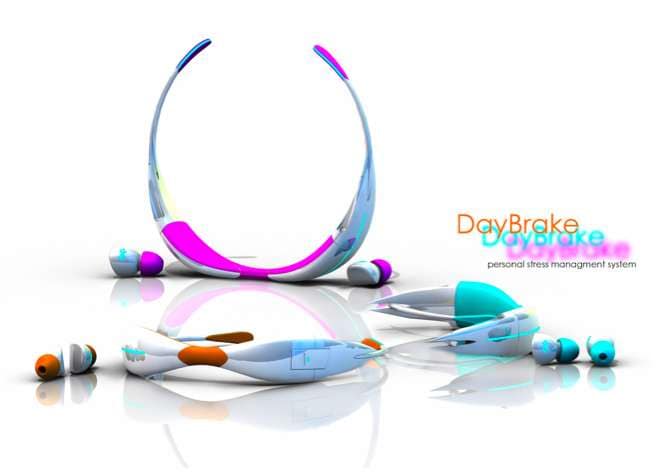
Electronic coaches such as the DayBrake Stress Management System are monitoring the body's responses to high-pressure environments and providing relief for strain.
Industry implications
The advancement of technology is creating opportunities in emotion-sensing, mood-altering, and stress management innovations.
Joy-detecting joysticks and biometric controllers could revolutionize in-game experiences through emotion-sensing technologies.
Mood-improving headsets and body response monitoring devices promote mental health and stress reduction in high-pressure environments.
Trend signals
Trend score 4.0 out of 10, from popularity 73%, activity 39%, freshness 8%.
Evidence
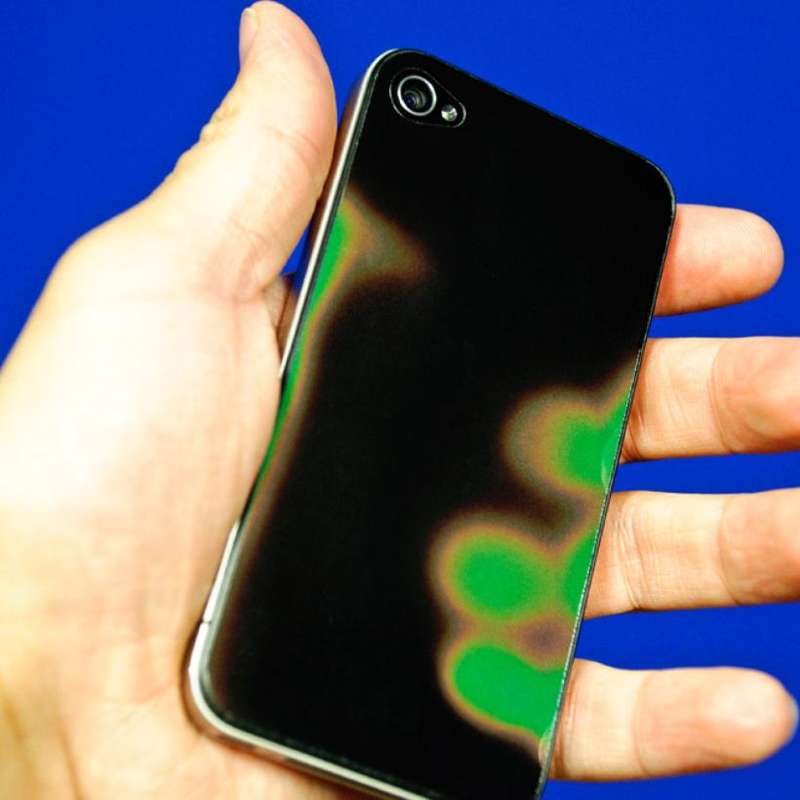
laserworks Turns Your iPhone into a Mood Ring
Disruptive innovation can be found in integrating heat sensitive technology into mobile phones and other devices.
The DayBrake Monitors Your Bodily Response and Endeavors to Relax You
The personalized stress management technology presents opportunities for disruptive innovation in the healthcare industry by incorporating wearable devices that can monitor and ma…
MoodAgent is an App Based on Mood Music
Disruptive innovation opportunity: Develop mood-altering apps that leverage advancements in technology, user data, and algorithms to provide personalized experiences.
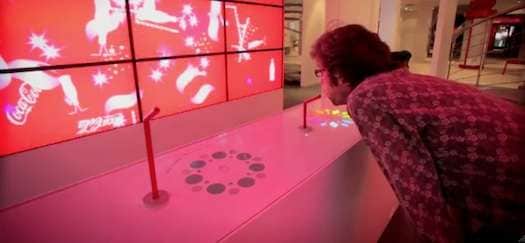
The Coca-Cola Mood Bar Will Quench Your Thirst for Knowledge
The food and beverage industry can capitalize on interactive mood bars to attract and engage customers.
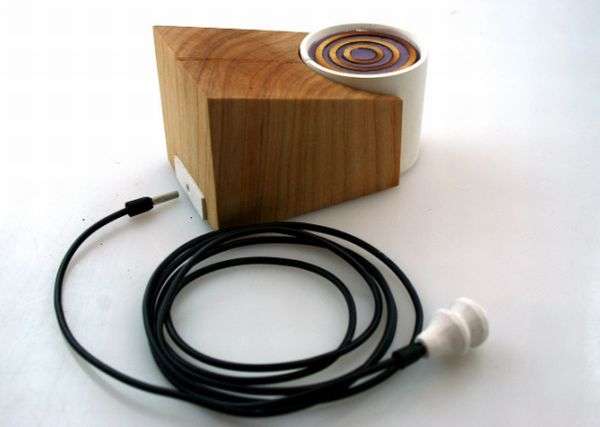
Sam Stringleman's MP3 Player Chooses Songs Based on Emotions
Companies in this industry can explore emotion-based technology to create unique experiences for their customers.
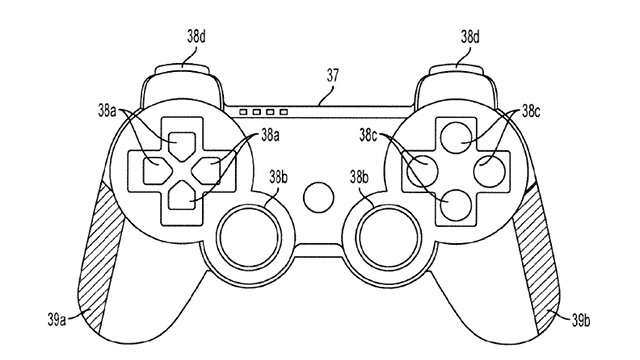
Sony's Biometric Controller Will Know How Entertained or Stressed You Are
The gaming industry can leverage biometric controllers and emotion-based gameplay to create more engaging and immersive gaming experiences.