Category
Lifestyle
Countertop Craft
Supplement mixes branch into taste, texture, and format choices.
Trend
Protein Personalization: Nutrition brands are betting on sensory experience, with formulations that emphasize sweetness and texture as much as protein content. These moves are intended to make repeat use feel easier and more enjoyable, with examples across dairy and plant mixes fusing to broaden appeal and create more tailored product stories. The products are appearing in more service-oriented formats, shifting protein from a pantry option to something adaptable for retail and foodservice settings.
Trigger
Consumers often want functional nutrition that fits everyday eating habits instead of feeling separate from them. Familiar flavors and smoother formats help reduce the friction of turning a supplement into a routine, so the promise is not just protein but a formula that better matches personal preferences and the desire for flexibility. As a result, brands are recognizing that functionality alone may no longer be enough, and are investing in products that sell nutrition alongside better taste cues, clearer formulation choices, and more usable formats.
Workshop question
Trend signals
Trend score 6.9 for the week of Sep 28, 2026. Momentum 3.8/10, persistence 0.0/10, backed by 1 research finding.
Evidence
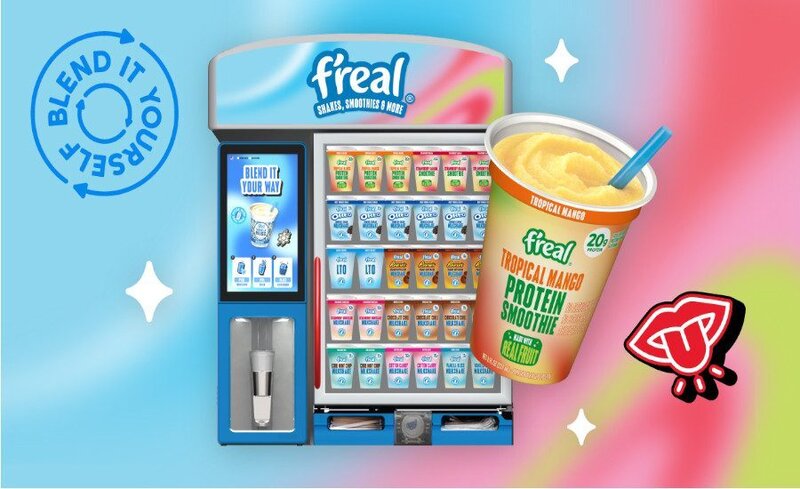
f’real Adds 20 Grams of Protein to Blend-It-Yourself Drinks
Functional self-serve beverages expand convenience store foodservice by adding higher-value occasions tied to morning routines, workouts, and healthier impulse buys.
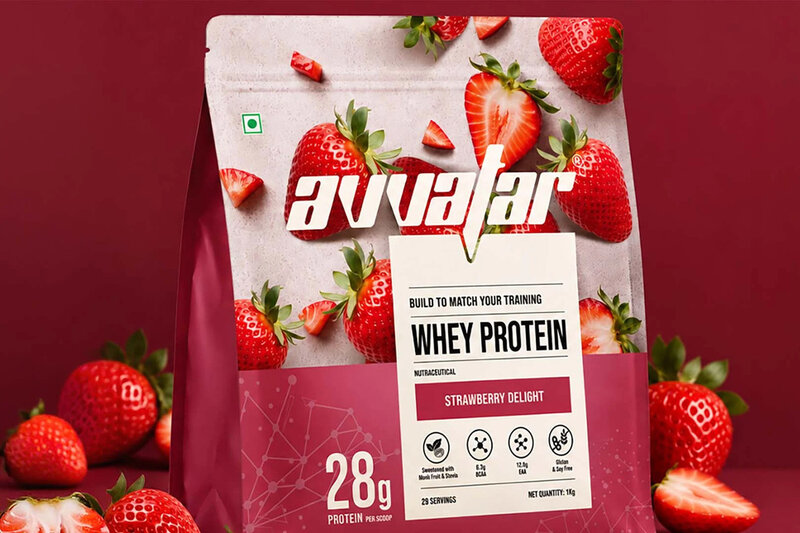
Avvatar Sweetens Whey Protein with Monk Fruit and Stevia
Cleaner sweetening systems and higher-protein formulations are expanding the category beyond gym-focused users toward everyday health-conscious consumers.
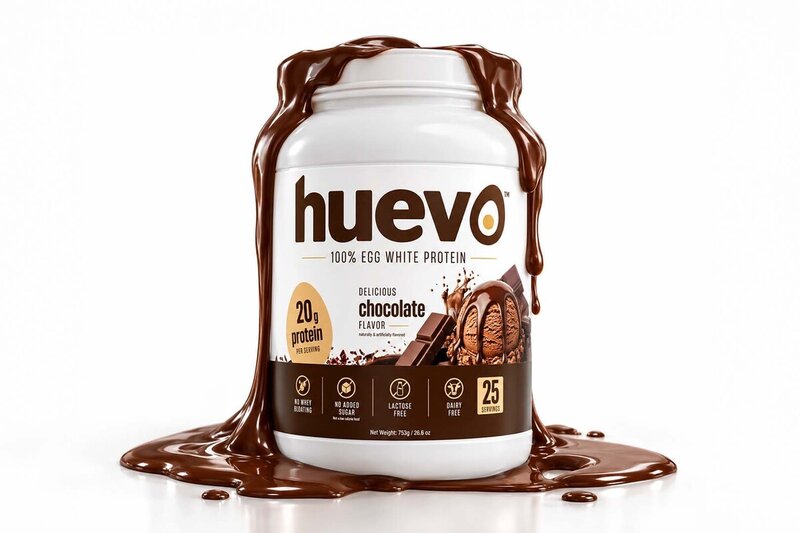
Huevo Delivers 20g of Egg-White Protein Per Shake
Performance-focused brands are diversifying protein sources to meet demand for cleaner labels, allergen-conscious formulas, and everyday usability.
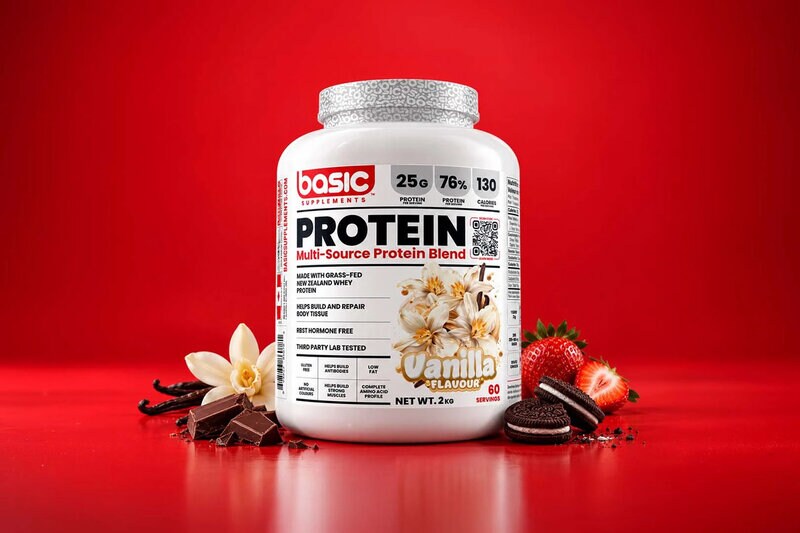
Basic Supplements Brings Basic Protein to Canada
Protein brands have room to disrupt single-use supplement categories with versatile blends that reduce shopper tradeoffs between fast and slow absorption formats.
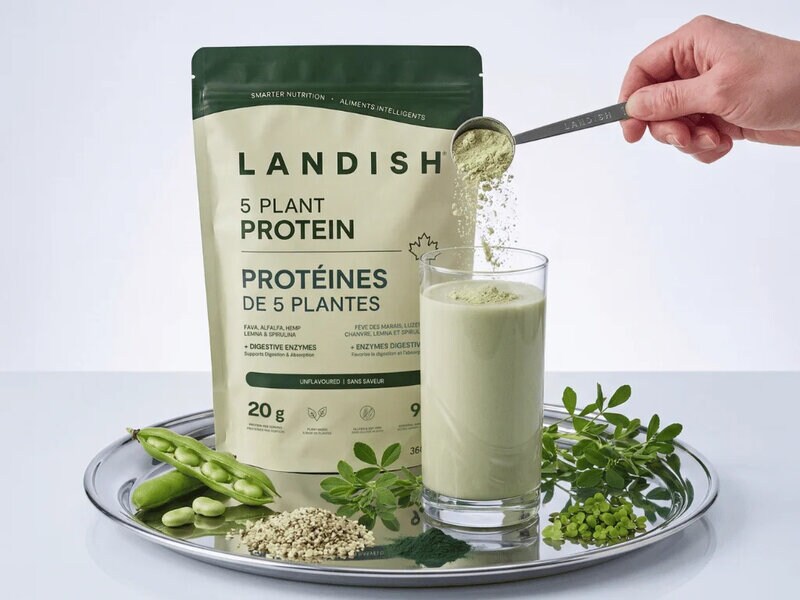
Landish Packs 20g of Rubisco Protein Into a 24g Scoop
Alternative protein brands are gaining new ingredient pathways through aquatic plants that support complete amino acid profiles and cleaner label expectations.
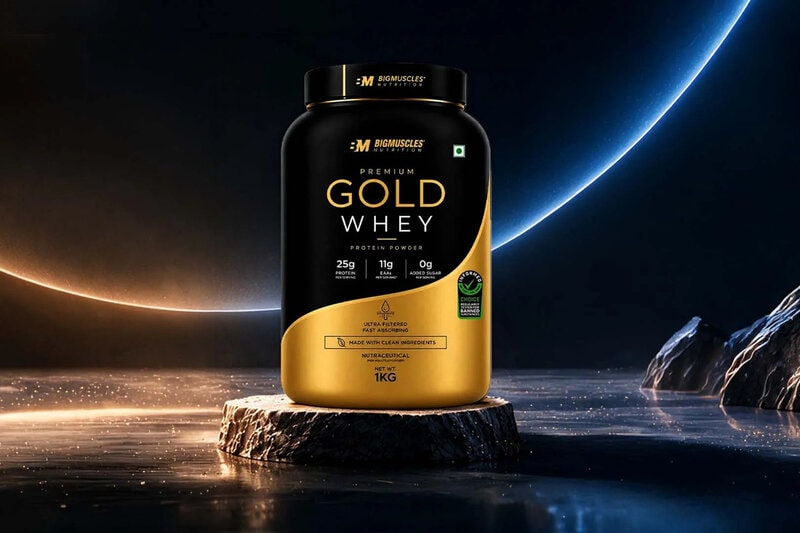
BigMuscles Adds Bromelain and Stevia to Premium Gold Whey
Protein powder makers are differentiating through cleaner sweeteners, sourced whey blends, and added functional ingredients that support everyday adherence.
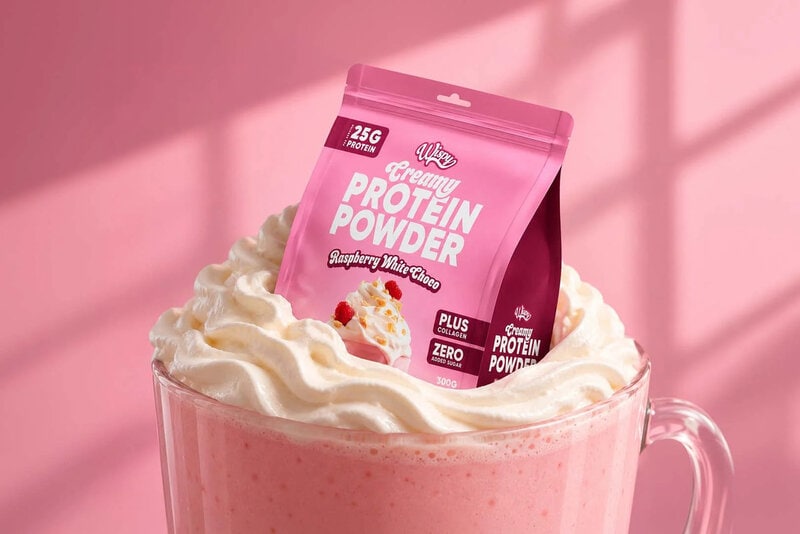
Wispy Mixes Whey and Soy in Creamy Protein for a Thicker Pour
Protein powder makers can redefine category value by treating consistency, indulgence, and drinkability as core performance features alongside macronutrient profiles.

Levels Pours 24g of Protein Into Its Maple Cinnamon Whey
Protein powders with indulgent seasonal positioning are expanding the category from workout recovery into lifestyle-driven consumption occasions.
9 Trend Hunter articles were grouped into the wider weekly cluster this trend was identified in, over 1 week.
Research
Protein Familiarity
Consumers want nutritional ambition without changing their entire eating identity.
Protein-forward reformulations in comfort foods, dairy, and snacks remove the intimidation and friction of performance nutrition by embedding it into foods people already know how to buy and enjoy.