
Category
Tech
Fixture Interfaces
Specialized software narrows clinical support into auditable task layers.


What's Happening
Scoped Judgment: Healthcare software is moving beyond general chat-style assistance into narrow, context-specific support for tasks like screening, image interpretation, disease mapping, and case review. Positioned as bounded aids inside professional workflows, the category is spreading across both human and animal care, which suggests a wider push to embed machine guidance wherever clinicians face repetitive, data-heavy decisions.
Why It's Happening
Healthcare providers are facing pressure to handle more information with limited time, which creates demand for systems that reduce cognitive load without taking full control. Many are approaching narrowly targeted assistance with more trust because its role is clearer, its boundaries are easier to explain, and the overall experience feels more manageable than general software that feels opaque or unaccountable. In healthcare settings, convenience only works when it still feels legitimate.
Evidence
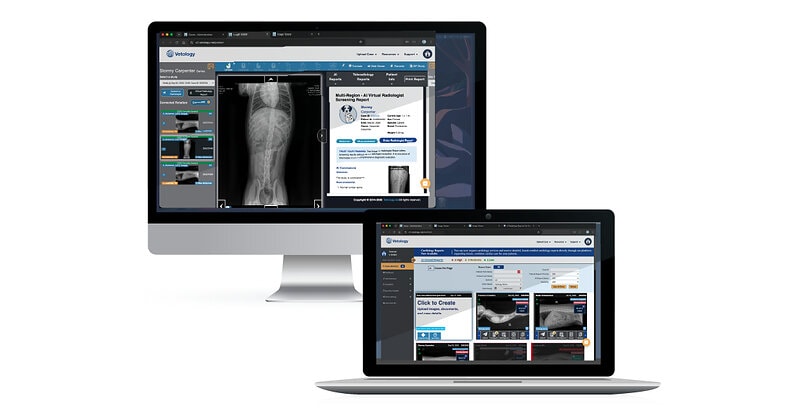
Vetology Rebuilds 94 Models to Analyze Complete Imaging Studies
Animal health providers gain access to advanced imaging support that can improve radiology throughput while preserving clinician-led diagnosis.
Unfold AI Creates Personalized 3D Prostate Cancer Maps
AI-enabled planning platforms are reshaping prostate cancer care by integrating diagnostics, counseling, and procedure guidance into everyday specialty practice workflows.
Aignostics Launches HETA Clinical for Cancer Tissue Analysis
Operational bottlenecks in sample triage and quality review are being reduced through automated tools that prioritize suitable cancer tissue specimens.
Lunit INSIGHT MMG Expands Across Stockholm Region Hospitals
Advanced mammography platforms are becoming differentiated by integrated AI readers that enhance diagnostic consistency and throughput.
Workshop question
How could your brand turn complex expert decisions into narrower, reviewable support steps?
Trajectory
Latest reading 7.1 for the week of Oct 19, 2026. Cooling over the final 3 scored weeks (−1.0), −1.1 from its peak of 8.2 in the week of Sep 21, 2026. Momentum 4.2/10, persistence 10.0/10, backed by 4 research findings.
24 Trend Hunter articles were grouped into the wider weekly cluster this trend was identified in, over 5 weeks.
 Proactive AI Healthcare AssistantsLyric Health Introduces Grace for Automated Care
 Hybrid AI StethoscopesEko Health Combines Traditional and Digital Listening
 AI-Powered Listening AidsClearCast Isolates Human Speech in Noisy Environments
 Repairable Ultrasound ProbesEchoNous Builds Torso NXT Probe Around Replaceable Cable
 Smartphone Breathing TrackersSnoreLab's BreathFlow Analyzes Sleep Breathing Through Audio
 Autonomous Actuarial AgentsArbital Health Automates Multistep Healthcare Financial Analyses
 AI-Powered Senior Check-InsKindable's Loved App Uses Daily Calls to Monitor Senior Wellness
 Hospital Chart Screening SoftwareHealthleap Uses AI to Flag Undiagnosed Inpatient Risks
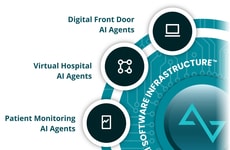 Ambient Charting SoftwareAndor Health's ThinkAndor Earns Epic Toolbox Status for Nursing
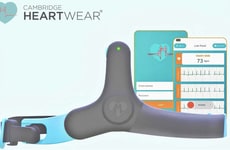 AI-Powered ECG WearablesCambridge Heartwear Brings Medical-Grade Monitoring to Mobile Phones
 AI-Supported Scalp AssessmentsDr. Brown’s Group Enhances Trichology with TricoExam
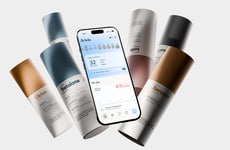 AI-Issued Acne PrescriptionsNolla Health Automates Initial Dermatology Prescribing
 Healthcare Action AgentsMontoHealth Connects Patient Requests with Clinical Workflows
 Automated Developmental ScreeningsSimple Interact Digitizes ASQ-3 Assessments for Pediatric Care
 AI Home Care ReceptionistsAxisCare's Axi Assist Manages Caregiver Communications
 AI Clinical Data AbstractionMRO Automates Registry Workflows With Prodigy
 AI-Personalized Health IncentivesVitality AI Tailors Health Actions and Rewards with Gemini
 AI-Native Chronic CarePsynergy Combines AI with Licensed Clinical Teams
 AI-Powered Conversational Health ChatbotsPC Health's PC Chat Offers Canadian Clinical Guidance
 Voice-Enabled Nursing AIOracle Health Lets Nurses Chart Care Through Natural Speech
Research
Care Guardrails
Consumers want care that is faster and easier to access, but health remains a category where convenience without legitimacy quickly becomes risky.
As telehealth normalizes, regulatory clarity and brand trust become part of the product itself, not just back-office concerns.
Telehealth Backbone
Consumers increasingly expect care, monitoring, and follow-up to happen across settings, not just in a clinic room.
The market opportunity is shifting from flashy remote-care promises to reliable systems that make hybrid care feel normal, safe, and easier to access.
Teen Bot Routine
For younger users, AI is quickly becoming an everyday utility rather than a futuristic novelty.
But the boundary matters: teens appear comfortable using bots for speed, synthesis, and production while still reserving deeper emotional roles for humans. Brands and institutions should treat this as normalized assistance with scrutiny built in, not blanket emotional dependence.
Virtual Care Baseline
Consumers increasingly expect healthcare to behave more like a service layer: reachable, personalized, and integrated into daily life.
Telehealth matters not just for convenience, but because it reduces the friction of getting help, following up, and sustaining care routines. As digital access becomes baseline, brands and providers that still feel cumbersome will stand out for the wrong reasons.