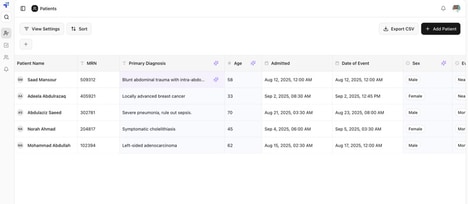
Voice-enabled nursing AI is helping reduce administrative workloads by allowing nurses to access and document patient information through natural speech. Oracle Health Clinical AI Agent for nurses is embedded directly into Oracle Health Foundation EHR and combines voice-driven chart navigation, patient search, acute nursing summaries and discrete charting. Nurses can locate relevant information, review concise summaries of a patient’s condition and document care in near real time at the point of care, reducing reliance on manual charting.
The system gives Oracle Health a way to expand its clinical AI capabilities beyond physicians and address the workflows of a larger healthcare workforce. Reducing documentation time could make the platform more attractive to hospitals focused on staff efficiency, clinician satisfaction and care coordination. Embedding these capabilities directly within an existing EHR can also encourage deeper platform adoption while differentiating Oracle Health in the competitive healthcare software market.
Image Credit: Oracle
What's Driving This Trend
- Voice-first Clinical Documentation
- Natural speech interfaces are reshaping care workflows by turning bedside conversations into structured records that reduce charting friction and improve data capture.
- Embedded Healthcare AI
- AI tools built directly into existing EHR platforms create differentiation by making intelligent assistance available inside familiar clinical systems rather than as separate applications.
- Nurse-centered Automation
- Automation designed around nursing workflows expands clinical AI beyond physicians and addresses a high-volume workforce where administrative relief can influence retention and productivity.
Who This Affects Most
- Healthcare Software
- EHR vendors can strengthen platform loyalty by integrating voice-enabled AI that streamlines documentation, navigation and care coordination within core clinical systems.
- Hospital Operations
- Health systems gain new efficiency levers from AI-supported documentation that helps reduce administrative burdens while supporting clinician satisfaction and patient throughput.
- Clinical AI
- Specialized AI agents for non-physician care teams signal a broader market shift toward role-specific intelligence that supports everyday decisions at the point of care.