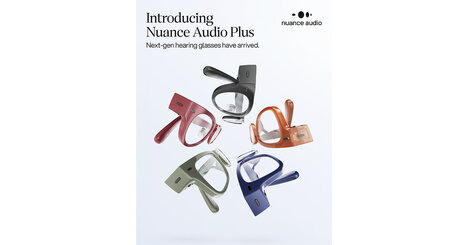
ClearCast has introduced AI-powered listening aids that help users understand conversations by separating human speech from surrounding noise. Unlike conventional hearing aids that amplify multiple sounds simultaneously, these wearables use artificial intelligence to identify voices and reduce distractions such as traffic, crowds, and restaurant activity. This approach prioritizes speech clarity rather than overall volume.
Developed through three years of AI training, the technology recognizes speech patterns and suppresses competing sounds in real time. ClearCast offers two rechargeable models: the $499 AIR behind-the-ear device and the $299.99 AI neckband, both providing over 24 hours of battery life. Neither requires testing, adjustments, or smartphone applications.
By offering conversation-focused assistance in accessible wearable formats, ClearCast could appeal to consumers seeking alternatives to traditional hearing devices. Its simplified operation and distinct pricing options may also create opportunities within the hearing technology market.
Image Credit: ClearCast
Why This Trend Is Growing
- Conversation-focused Audio
- Speech-prioritizing wearables reflect a shift from broad sound amplification toward AI-filtered communication tools for everyday noisy settings.
- Accessible Hearing Alternatives
- Lower-cost devices without clinical testing or app-based setup point to a growing market for simplified hearing support outside traditional medical channels.
- Real-time Noise Separation
- AI models trained to distinguish voices from ambient sound create new possibilities for personalized audio clarity across public, workplace, and social environments.
Industries Being Reshaped
- Hearing Technology
- Consumer-friendly listening aids are expanding the category beyond conventional hearing aids with simpler formats and more approachable pricing.
- Wearable Electronics
- Rechargeable, speech-enhancing devices illustrate how wearables can move from fitness and notifications into sensory assistance and communication enhancement.
- Assistive Technology
- AI-enabled audio tools broaden assistive product design by making situational support more discreet, affordable, and usable without professional configuration.