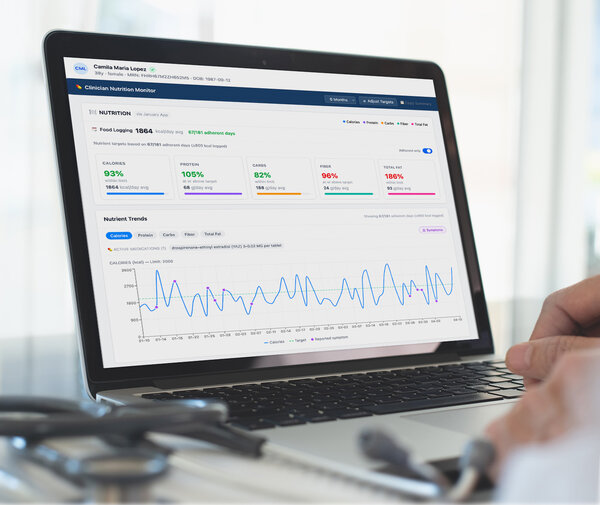

Healthleap is expanding hospital risk-screening software with an AI service that reads clinical notes alongside chart data, helping care teams spot adult inpatients who may have overlooked conditions. It plugs into electronic health record systems and highlights cases for review rather than making a diagnosis.
In more than 50 hospitals, the system checks for malnutrition and delirium, two conditions that can be missed when warning signs sit inside free-text notes instead of tidy fields. Overnight analysis and next-morning risk scores place those cases in the team's existing workflow, so staff get a shortlist instead of another review step.
The $38 million seed and Series A financing gives Healthleap room to add support for more conditions and extend the same model into outpatient and home care. Three-year contracts tied to licensed bed counts and outcome-based pricing keep the purchase linked to measurable returns instead of a pure software subscription.
Image Credit: Healthleap
Key Themes Behind This Trend
- AI Chart Screening
- Clinical-note analysis is turning unstructured hospital documentation into risk signals that can reveal missed conditions before they drive costly complications.
- Workflow-embedded Risk Scores
- Risk alerts placed inside existing care-team routines create room for predictive tools that reduce review burden while improving inpatient prioritization.
- Outcome-based Health Software
- Pricing tied to measurable clinical and operational gains reflects a shift toward digital health tools that prove value beyond software access.
Where This Applies
- Hospital Technology
- EHR-integrated intelligence offers hospitals a pathway to surface hidden patient risks without adding standalone systems or new administrative steps.
- Clinical Decision Support
- Assistive review platforms are expanding the category beyond rule-based alerts by interpreting narrative notes and contextual patient data.
- Home Healthcare
- The same risk-detection model can extend into lower-acuity settings where early identification of overlooked conditions supports distributed care delivery.