
AI clinical reasoning is advancing rapidly as Harvard Medical School and Beth Israel Deaconess Medical Center researchers demonstrated how large language models can outperform physicians across several diagnostic and emergency care evaluations. Unlike earlier healthcare AI studies focused on multiple-choice testing, this research analyzed how AI systems handled messy, real-world electronic health record data during emergency department decision-making. The findings suggest these tools are becoming increasingly capable of assisting with triage, diagnosis generation, and treatment planning while operating within realistic healthcare environments.
The business implications are substantial for hospitals, healthcare software companies, insurers, and medical AI developers. AI-assisted clinical support systems could help reduce physician burnout, improve operational efficiency, and accelerate patient decision-making in high-pressure care settings. The study also increases pressure on healthcare organizations to invest in AI governance, clinical testing, and regulatory oversight before large-scale deployment. As adoption grows, demand may rise for AI validation platforms, medical compliance tools, and integrated healthcare intelligence systems that support physicians rather than replace them.
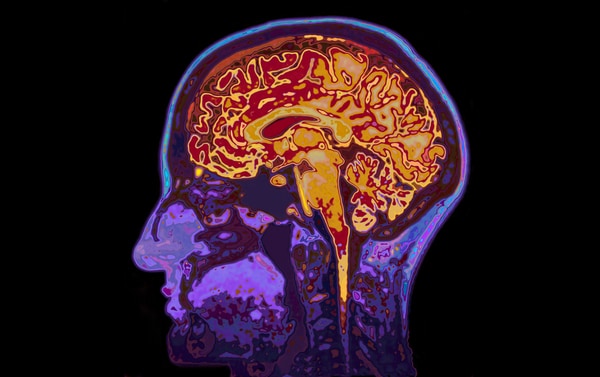
Image Credit: raker/Shutterstock
What Makes This Trend Stand Out
- AI Clinical Reasoning
- Emerging large language models demonstrate diagnostic and triage reasoning that challenges traditional clinician decision-making paradigms, enabling system-level rethinking of emergency care workflows.
- Ehr-integrated AI
- Integration of AI with messy, real-world electronic health record data is creating opportunities for context-aware decision outputs that bridge raw documentation and actionable clinical insights.
- AI Validation and Governance
- Heightened scrutiny around safety and regulation is driving demand for robust validation frameworks and governance layers that can certify model performance in realistic clinical environments.
Sectors Adopting This
- Hospitals and Health Systems
- Hospitals are positioned to experience shifts in staffing models and throughput as AI-assisted triage and diagnosis reshape emergency department load and clinician roles.
- Healthcare Software Platforms
- Platform vendors face prospects for embedding advanced reasoning engines into EHRs and clinical decision support modules that change how care pathways are presented to providers.
- Medical AI Developers
- Developers of clinical AI tools confront market openings for models tailored to messy, real-world data and for services that document, test, and explain model behavior under regulatory expectations.