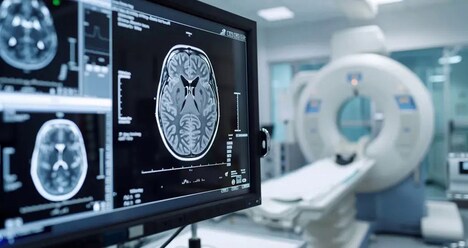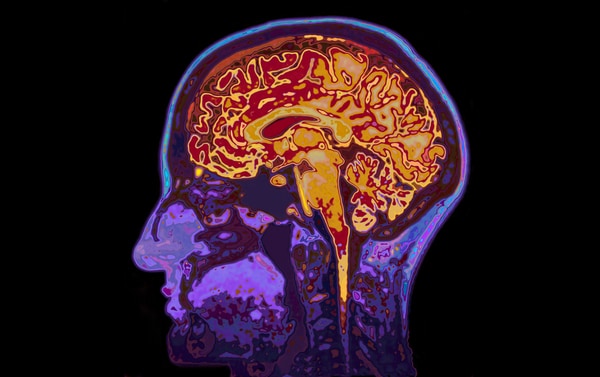
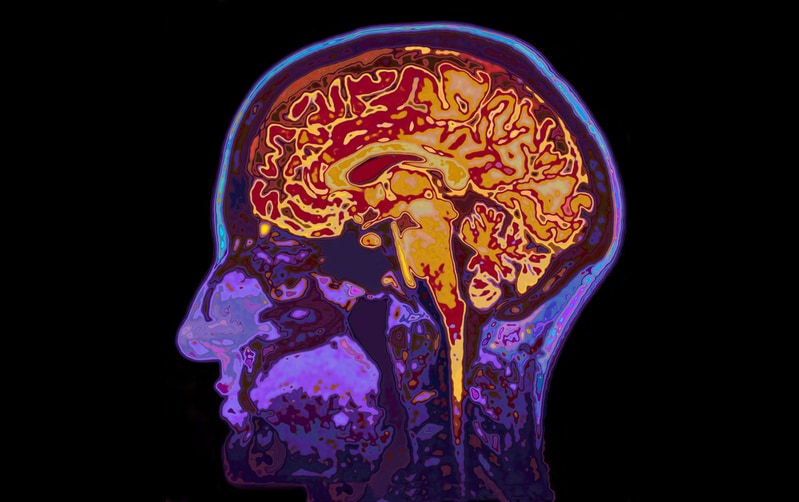
Prima is an AI system from the University of Michigan that reads brain MRI scans in seconds, featuring a vision language model that integrates images with clinical history to produce rapid diagnoses. The team evaluated Prima across more than 30,000 studies and published the results in Nature Biomedical Engineering, reporting diagnostic accuracy up to 97.5% and urgency assessment capabilities.
The model was trained on a broad dataset of over 200,000 MRIs and 5.6 million imaging sequences, plus patient histories and ordering reasons, enabling it to identify more than 50 radiologic conditions. Prima can automatically notify the appropriate subspecialist—such as a stroke neurologist or neurosurgeon—so feedback is available immediately after imaging.
For clinicians and patients, Prima promises faster triage, reduced diagnostic delays and improved workflow efficiency by prioritizing high-risk cases. Its broad training and integrated approach reflect a trend toward multimodal AI “co-pilots” that assist radiology departments facing rising demand and staffing shortages.
Image Credit: Shutterstock / SpeedKingz
Why This Trend Is Growing
- Multimodal AI Co-pilots
- Models that fuse imaging with clinical histories are enabling context-aware diagnostic outputs that can reshape radiologist roles and case-prioritization workflows.
- Real-time Triage Automation
- Immediate urgency assessment embedded in imaging pipelines is creating pathways for near-instant identification and routing of high-risk cases to appropriate specialists.
- Large-scale Pretrained Imaging Models
- Training on hundreds of thousands of scans and millions of sequences is producing highly accurate, generalizable readers that can compress diagnostic latency across varied clinical settings.
Industries Being Reshaped
- Radiology Departments
- Departmental operations and staffing models are being reframed by AI that prioritizes cases and delivers preliminary interpretations ahead of human review.
- Medical Imaging Vendors
- Device and software makers face opportunities to bundle onboard AI readers and multimodal models with scanners to offer end-to-end diagnostic solutions.
- Hospital IT and Workflow Systems
- Clinical communication and alerting platforms are positioned to integrate automated notifications and decision-context metadata for faster specialist engagement.