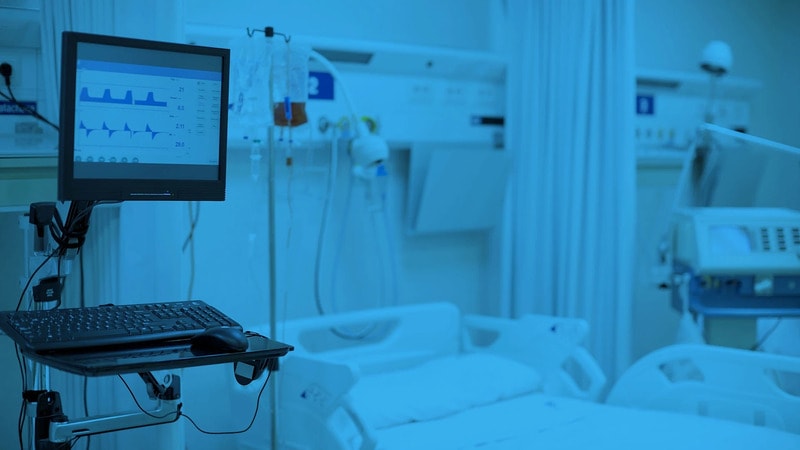
Founded in 2022 by serial tech entrepreneur Ophir Ronen, CalmWave tackles one of healthcare's most persistent and underserved problems: alarm fatigue in intensive care units. Hospitals generate a relentless stream of beeps and alerts from monitoring equipment, and the resulting sensory overload leaves clinical staff struggling to distinguish urgent signals from routine noise — contributing to burnout and, in some cases, delayed responses to patients in genuine distress. Ronen recognized the pattern from his previous work in enterprise IT alert management and built CalmWave to address it.
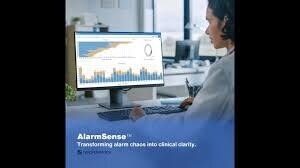
The platform works by integrating two data streams that typically operate in silos — electronic medical records and real-time patient monitoring systems — into a single unified view. From there, it uses accumulated clinical data to recommend patient-specific alarm threshold adjustments, either widening ranges to cut unnecessary noise or tightening them to catch early warning signs. CalmWave launched with backing from the Allen Institute for AI's incubator program.
Image Credit: Tempura/Getty Images
What's Driving This Trend
- Unified Clinical Data Streams
- Combining EMR And Real-Time Monitoring Data Creates Richer Patient Context That Enables Predictive Alarm Prioritization And Personalized Thresholding.
- AI-driven Alarm Triaging
- Machine Learning Models That Classify And Prioritize Alerts Can Drastically Reduce Nonactionable Noise While Surfacing Subtle Deterioration Patterns.
- Contextualized Threshold Personalization
- Dynamic Patient-Specific Alarm Ranges Informed By Historical And Situational Data Can Lower Clinician Cognitive Load And Improve Early Detection Accuracy.
Who This Affects Most
- Hospital IT Systems
- Integrating Alarm Management Into Hospital IT Suites Could Reshape Procurement Toward Platforms That Blend Monitoring, EHR, And Analytics For Workflow-Centered Care.
- Medical Device Manufacturing
- Embedding Interoperable AI-Compatible Signaling Into Monitors And Sensors Can Shift Device Value Toward Collaborative Ecosystems Rather Than Standalone Hardware.
- Clinical Workforce Management
- Tools That Translate Alarm Streams Into Staffing And Task Prioritization Insights Have Potential To Reframe Scheduling And Burnout Mitigation Strategies.