



Category
Tech
Delegated Interfaces
Travelers overcome anxieties with apps that offer unique safety features.

Trend
In-Flight Relief: When it comes to travelling, particularly overseas, there are certain anxieties that can be hard to overcome, prompting individuals to turn to apps and mobile technology to help sooth those fears. Using apps to help protect passports and ease in-flight fears, consumers are extending mobile usage beyond entertainment to necessity.
Trend themes
Mobile apps that allow travelers to scan passports with their phone cameras provide a disruptive innovation opportunity for airport security management.
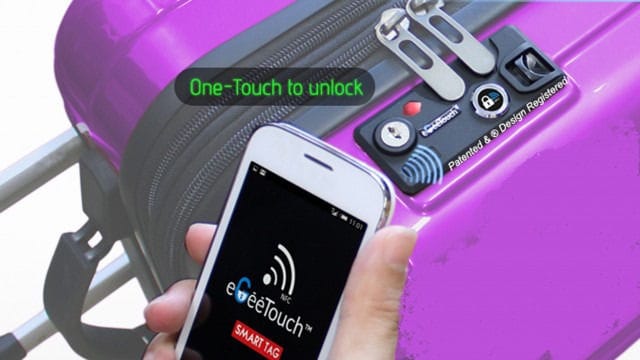
Smart luggage locks that offer one-touch access through NFC-enabled synced smartphones and tablets provide a disruptive innovation opportunity for the travel industry.
Mobile apps designed to reduce anxiety in individuals who have a fear of flying provide a disruptive innovation opportunity for the air travel industry.
Industry implications
Airport security management can benefit from mobile apps that allow travelers to scan passports with their phone cameras.
Smart luggage locks that offer one-touch access through smartphones and tablets provide a new potential market in travel accessories.
Anxiety-reducing airline apps designed for individuals who have a fear of flying provide a new market opportunity for the airline industry.
Trend signals
Trend score 2.3 out of 10, from popularity 40%, activity 21%, freshness 8%.
Evidence
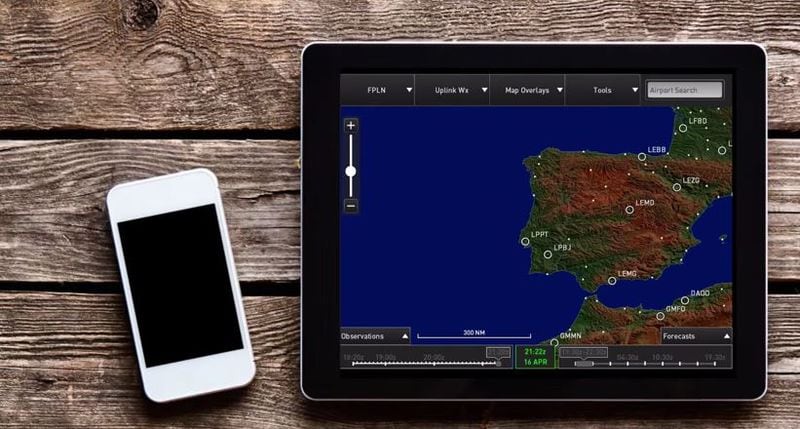
Honeywell Aviation's App Helps Pilots Prepare for Difficult Weather
Innovation in aviation technology in the aerospace industry can lead to safer and more efficient flights.
The Award-Winning eGeeTouch System is Being Displayed at CES 2015
Disruptive innovation opportunity: Incorporate smart lock technology into home security systems to provide seamless access control and improved protection.
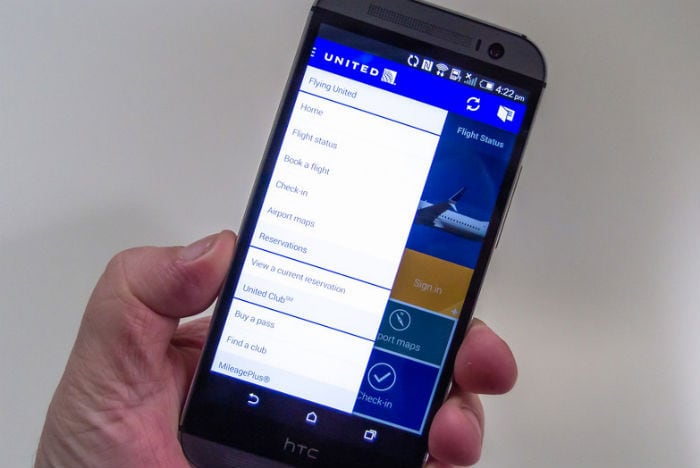
United Airlines' App Makes Plane Travel That Much Easier
The travel and tourism industry can leverage passport-scanning apps to improve the check-in process and provide a seamless travel experience.
ANA's Takeoff Mode App Quells the Fear of Flying
Potential for airlines and travel companies to develop innovative solutions to address passenger fears and anxieties.






