



Category
Tech
Delegated Interfaces
Technological ubiquity is negated as consumers place an emphasis on the analog.

Trend
Digital Disdain: Although the modern consumer has become accustom to excess in marketing and product consumption, the overwhelming nature of the digital lifestyle has pushed many to crave the analog. Augmenting the simplistic into a niche commodity with higher currency, the rise of digital disdain is marking consumer revelation of offline life as quirky, retro and associated with hip lifestyle aesthetics.
Trend themes
The rise of digital disdain marks a consumer revelation of offline life as quirky, retro and associated with hip lifestyle aesthetics, presenting opportunities for the production of analog products and experiences.
The development of products such as the Offline Glass, which forces consumers to choose between their phone or product, highlights the emerging trend of digital detox and presents opportunities for businesses to innovate in creating products that promote offline social interactions.
The Lonely Windows photo series demonstrates the consequences of technology on human social interaction, implying an opportunity for businesses to innovate in creating technologies that harness the benefits of augmented reality without compromising the beauty of human interactions in the real world.
Industry implications
The trend of digital detox present opportunities for the entertainment industry in producing analog contents and experiences that distracts consumers from the digital world.
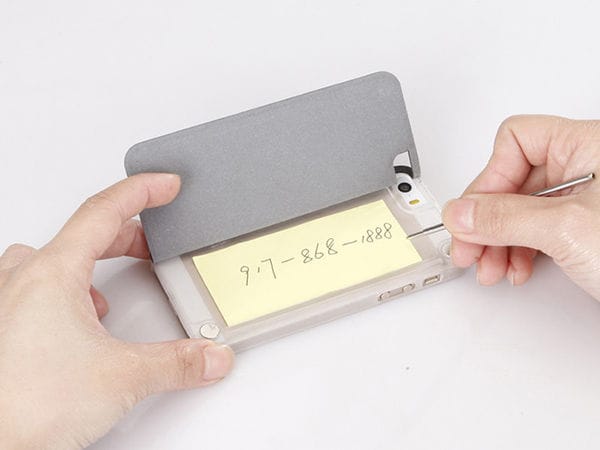
The Analog Resurgence presents opportunities for businesses in the smart device industry to create products that serve as gateway between analog and digital features, such as the MemoCase by Kate Zhang.
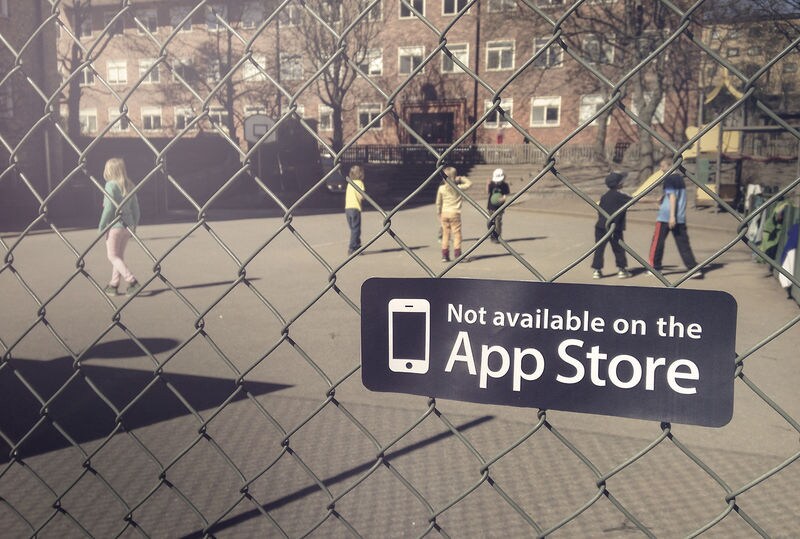
The Not on the App Store project implies an opportunity for marketing and advertising professionals to innovate in creating non-digital ads and campaigns that highlight the value of offline social interactions.
Trend signals
Trend score 4.5 out of 10, from popularity 66%, activity 62%, freshness 8%.
Evidence
The Not on the App Store Project Disproves That 'Theres an App for That'
Disruptive innovation opportunity: Integrate technology into physical toys to enhance play experiences and bridge the gap between physical and digital play.
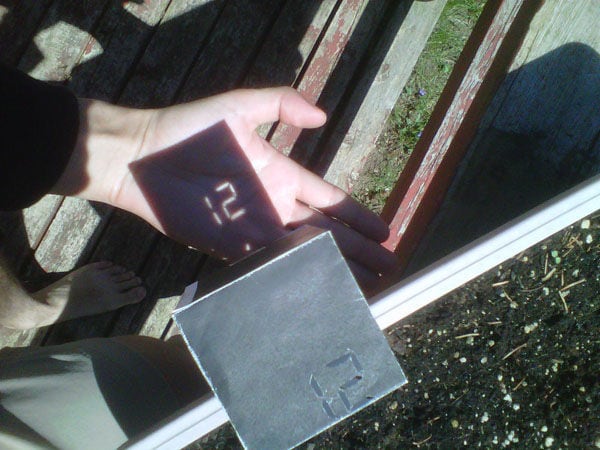
The Sun Cube Tells the Time Using Sunlight and Shadows
Developing new methods and designs for watch and clock manufacturing, utilizing the principles of celestial geometry to advance the accuracy and precision of timekeeping technolog…
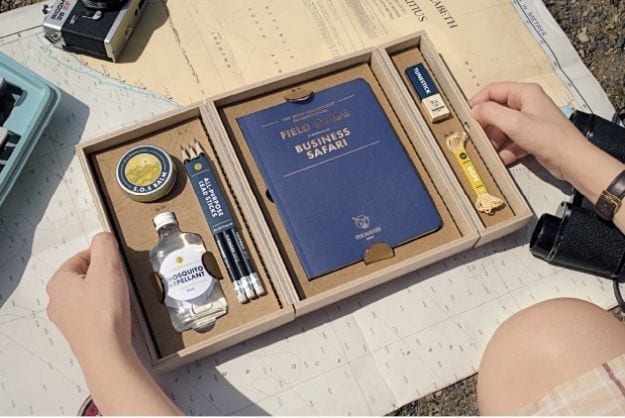
The Field Guide to Humans on Business Safari is Tongue-in-Cheek
Event planning companies can offer more creative and fun experiences for attendees by incorporating unique themes and creative survival kits at business events.
MemoCase by Kate Zhang Opens Up to Pen and Paper for Idea Jotting
Mobile accessory companies can explore the opportunity to integrate analog elements, such as pen and paper, into their products to offer more utility to consumers.
Lonely Windows by Julien Mauve Delves into a Modern Disadvantage
Photographers can experiment with the use of lighting and composition to convey the impact of technology and social media on individuals.
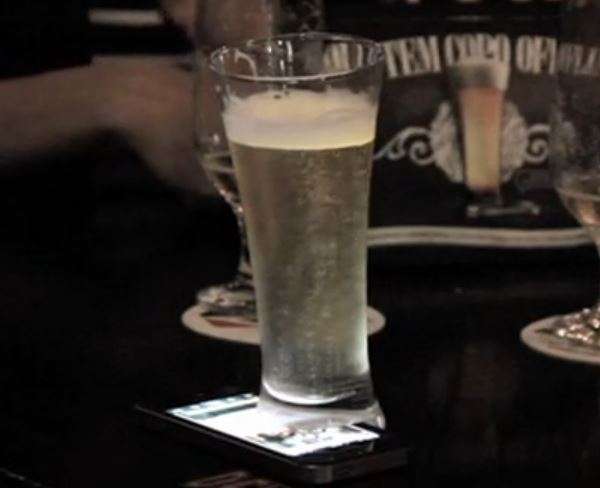
The 'Offline Glass' Forces You to Choose Between Your Phone or Beer
Opportunity to create new bars and restaurants that provide customers with an immersive experience, free from digital distractions.






