Category
Autos
Perception Layer
Public transit provides ways for consumers to complete important tasks.
What's Happening
Hyper-Convenient Commuting: Though people who take the subway do so for convenience's sake, taking your city's public transit leaves you with less control of your arrival time home. This makes it more difficult to complete daily tasks in a timely manner. To battle this, many companies are capitalizing on the daily commute by offering ways to do things like grocery shop while on the move. This creates a unique business opportunity for brands to target the commuting consumer.
Evidence
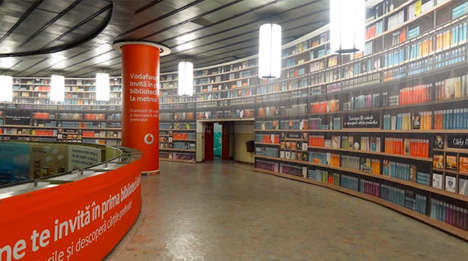
The Physical Digital Library in Bucharest Subway Lets Passengers Read
The publishing industry can leverage physical digital libraries to attract and engage readers, explore alternative revenue models, and adapt to the digital age.
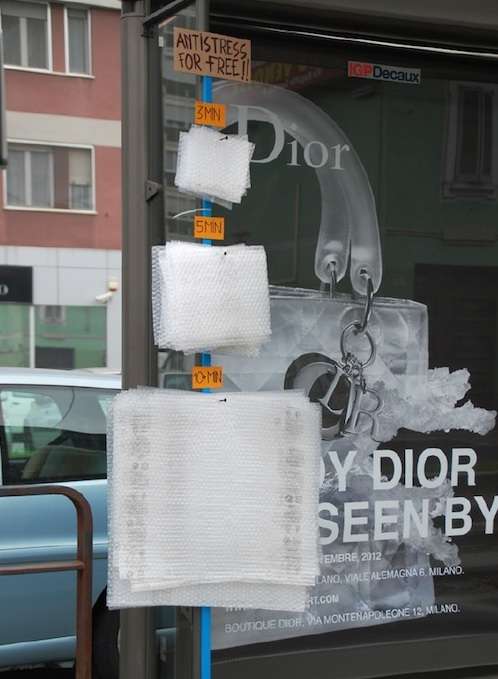
The Fra.Biancoshock Anti-Stress Station is Therapeutic Street Art
Public art installations that incorporate therapeutic elements like the Fra.Biancoshock Anti-Stress Station can foster community engagement and well-being.
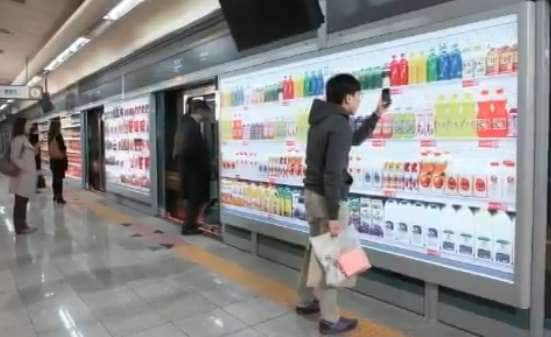
Homeplus Uses Clever Marketing Campaign to Become Number One
The retail industry can leverage virtual subway supermarkets to drive sales and attract customers in urban areas.
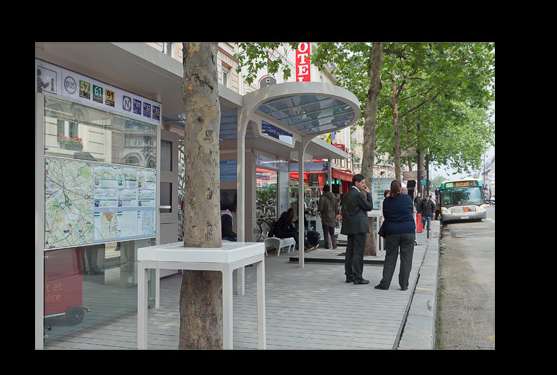
The 'Station Diderot' is the European Bus System of the Future
Opportunity to improve the quality and comfort of public transportation infrastructure to attract more riders and reduce traffic congestion and carbon emissions.
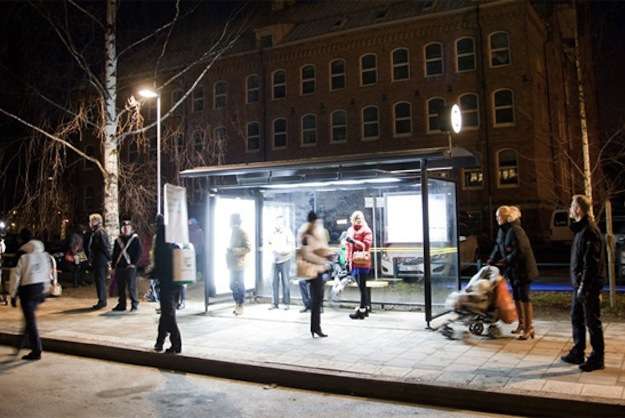
The Umea Bus Stops Helps Relieve Depression During Winter
The public transportation industry can explore incorporating light therapy features, like the Umea Bus Stops, in their infrastructure to improve passenger well-being.
Trend signals
Trend score 4.2 out of 10, from popularity 73%, activity 43%, freshness 8%.
Trend themes
The rise of convenient commuting, accompanied by the frenetic pace of city life, has spurred companies to offer consumers opportunities to optimize their time and engage in daily chores during the daily commute through improved access to goods and services.
Forward-thinking cities aim to improve their infrastructures and waiting areas for public transportation by offering useful and practical amenities to passengers, promoting leisure, relaxation, comfort, and stress-reduction.
Public art, particularly interactive and experimental forms of it, coupled with digital marketing and mobile technology, can produce innovative ways for brands to capture a reluctant commuter's attention without feeling invasive, proliferating e-commerce, promoting literacy and mental well-being while envisioning a more productive, pleasant and sustainable urban future.
Industry implications
There are opportunities for companies to capture the attention of customers during their commute by improving access to goods, optimizing their time, and offering useful and practical amenities to passengers.
The proliferation of convenience-oriented commuting, particularly in urban areas, presents an opportunity for e-commerce and retail companies to reach audiences that are on-the-go by offering innovative products and services that cater to the unique needs of the commuter lifestyle.
There are opportunities for artists and other cultural institutions to create public works that engage and enhance everyday experiences, with a focus on creating a more enjoyable and productive lifestyle that also promotes mental health and wellness.