
Category
Lifestyle
Shelf Choreography
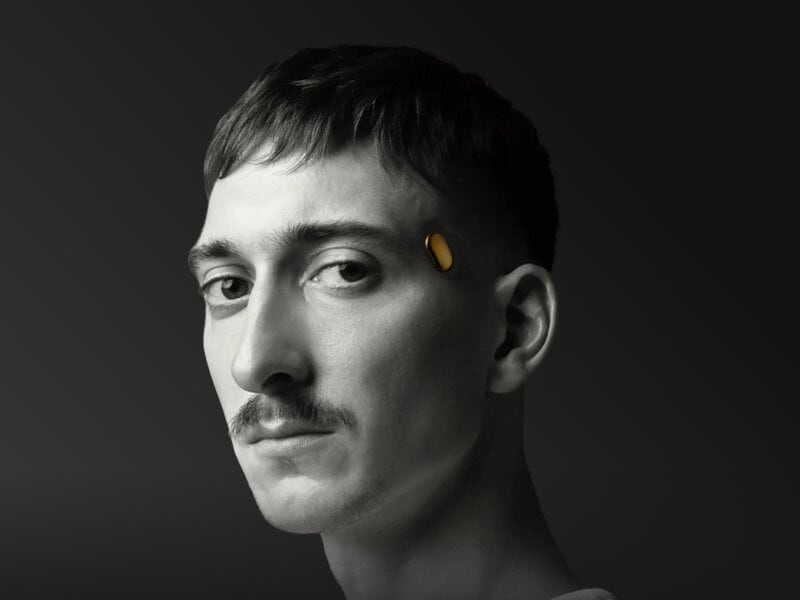
Connected instruments translate bodily signals during routine checks.

What's Happening
Readable Sensing: Clinical tools that once mainly captured raw measurements are being redesigned to interpret sound, rhythm, and imaging at the moment of use. This shifts value from hardware alone toward built-in guidance. The category is spreading across both professional and consumer-adjacent formats, from handheld scanners and updated stethoscopes to wearables and hearing support devices.
Why It's Happening
Both consumers and clinicians are growing increasingly comfortable with health technology, with many prioritizing lower-friction devices that help them with the measurement and interpretation of streams of technical information. Health remains a high-trust category, so convenience alone is not enough. People are more likely to accept embedded intelligence when it appears inside familiar clinical rituals and governed care pathways rather than as a detached wellness add-on. For many, the goal is to convert subtle bodily data into usable prompts that fit a wider expectation that care should feel clearer, not more complicated.
Evidence
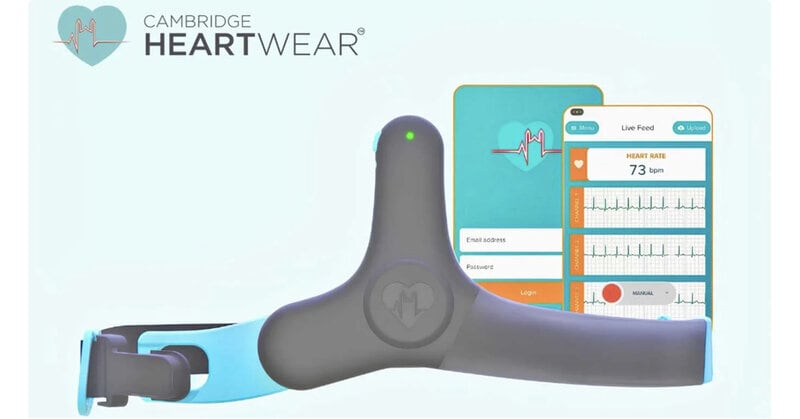
Cambridge Heartwear Brings Medical-Grade Monitoring to Mobile Phones
AI-enabled remote monitoring technologies are expanding the role of software-driven care models in chronic disease detection and management.
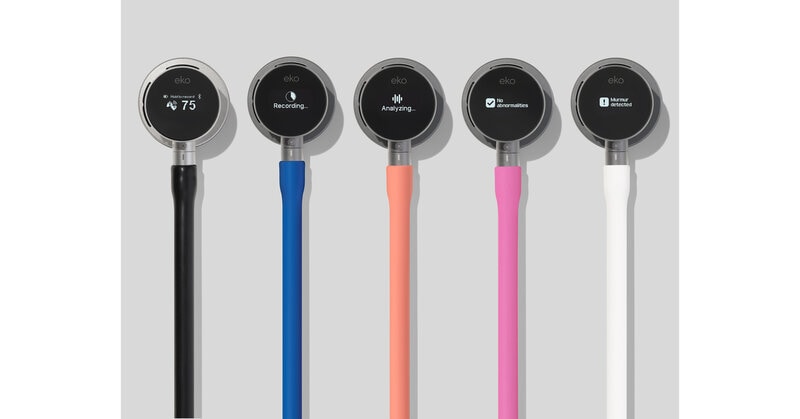
Eko Health Combines Traditional and Digital Listening
Hybrid hardware that blends analog usability with software-driven diagnostics reshapes premium equipment categories for clinicians.
ClearCast Isolates Human Speech in Noisy Environments
Consumer-friendly listening aids are expanding the category beyond conventional hearing aids with simpler formats and more approachable pricing.
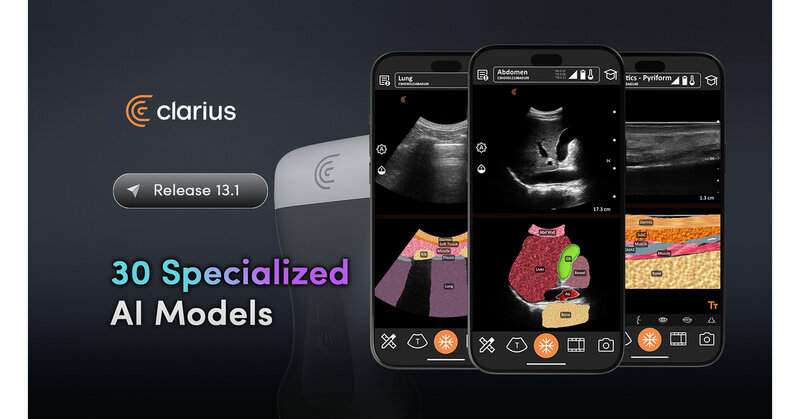
Clarius Integrates 30 AI Models into Its Ultrasound App
Handheld ultrasound platforms with automated measurements and visualization support are broadening the market beyond traditional radiology departments.
Workshop question
How could your brand turn complex health or performance data into clearer next-step guidance?
Trajectory
Latest reading 6.6 for the week of Oct 26, 2026. Rising over the final 3 scored weeks (+0.5), −1.6 from its peak of 8.2 in the week of Sep 21, 2026. Momentum 3.2/10, persistence 10.0/10, backed by 4 research findings.
28 Trend Hunter articles were grouped into the wider weekly cluster this trend was identified in, over 6 weeks.
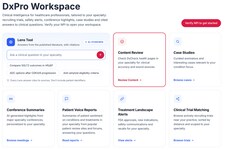 AI-Powered Clinical Intelligence PlatformsDxCheck Launches DxPro for Healthcare Professionals
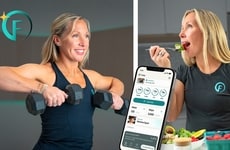 AI Fitness Coaching AssistantsFASTer Way Adds Lumi to Turn Meal Photos Into Macro Logs
 AI-Powered Health Insurance AssistantsUnitedHealthcare's Avery Simplifies Benefits and Care
 Proactive AI Healthcare AssistantsLyric Health Introduces Grace for Automated Care
 Repairable Ultrasound ProbesEchoNous Builds Torso NXT Probe Around Replaceable Cable
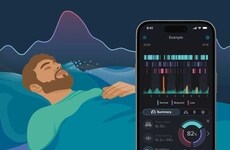 Smartphone Breathing TrackersSnoreLab's BreathFlow Analyzes Sleep Breathing Through Audio
 AI-Powered Pathology ToolsAignostics Launches HETA Clinical for Cancer Tissue Analysis
 Autonomous Actuarial AgentsArbital Health Automates Multistep Healthcare Financial Analyses
 AI-Powered Senior Check-InsKindable's Loved App Uses Daily Calls to Monitor Senior Wellness
 Hospital Chart Screening SoftwareHealthleap Uses AI to Flag Undiagnosed Inpatient Risks
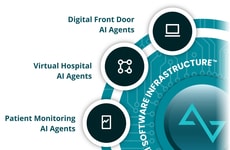 Ambient Charting SoftwareAndor Health's ThinkAndor Earns Epic Toolbox Status for Nursing
 AI-Supported Scalp AssessmentsDr. Brown’s Group Enhances Trichology with TricoExam
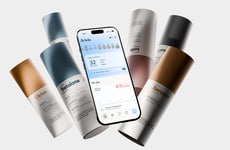 AI-Issued Acne PrescriptionsNolla Health Automates Initial Dermatology Prescribing
 Healthcare Action AgentsMontoHealth Connects Patient Requests with Clinical Workflows
 Automated Developmental ScreeningsSimple Interact Digitizes ASQ-3 Assessments for Pediatric Care
 AI Home Care ReceptionistsAxisCare's Axi Assist Manages Caregiver Communications
 AI Screening Software ToolsLunit INSIGHT MMG Expands Across Stockholm Region Hospitals
 AI Clinical Data AbstractionMRO Automates Registry Workflows With Prodigy
 AI-Powered Cancer MappingUnfold AI Creates Personalized 3D Prostate Cancer Maps
 AI-Personalized Health IncentivesVitality AI Tailors Health Actions and Rewards with Gemini
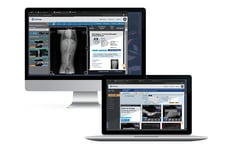 Context-Aware Veterinary AIVetology Rebuilds 94 Models to Analyze Complete Imaging Studies
 AI-Native Chronic CarePsynergy Combines AI with Licensed Clinical Teams
 AI-Powered Conversational Health ChatbotsPC Health's PC Chat Offers Canadian Clinical Guidance
 Voice-Enabled Nursing AIOracle Health Lets Nurses Chart Care Through Natural Speech
Research
Telehealth Data Layer
Remote care becomes more credible when it is supported by continuous evidence rather than isolated symptom recall.
Consumers and clinicians alike are moving toward a model where AI summarizes ongoing data streams so healthcare interactions can be more proactive, personalized, and actionable.
Care Guardrails
Consumers want care that is faster and easier to access, but health remains a category where convenience without legitimacy quickly becomes risky.
As telehealth normalizes, regulatory clarity and brand trust become part of the product itself, not just back-office concerns.
Clinical Signals
Wearables are moving beyond passive self-tracking toward clinically adjacent utility, but consumers still need help turning data into meaningful action.
The opportunity is no longer just to capture metrics; it is to translate them into credible care pathways and lower-anxiety behavior change. Devices must increasingly prove they can support health decisions, not just generate dashboards.
Telehealth Backbone
Consumers increasingly expect care, monitoring, and follow-up to happen across settings, not just in a clinic room.
The market opportunity is shifting from flashy remote-care promises to reliable systems that make hybrid care feel normal, safe, and easier to access.