Category
Tech
Delegated Interfaces
Universities drive competitive gaming growth with large-scale events.


Trend
Collegiate Esport: Collegiate esports organizations are increasingly hosting broader esports tournaments, welcoming student competitors from various institutions. These events aim to elevate competitive gaming within academic institutions while fostering connections between collegiate teams and the esports community.
Insight
Esports is rapidly gaining legitimacy as an organized competitive sport, with student-led and university-backed teams seeking recognition and professional pathways. The desire for structured competition, career-building opportunities, and access to high-level talent has driven collegiate programs to expand their reach. Additionally, pressures to integrate esports into academia, secure funding, and enhance engagement with audiences have encouraged larger tournament formats.
Trend themes
An increasing number of prominent brands are forming strategic partnerships with collegiate esports platforms to engage the Gen Z demographic through authentic and visible sponsorship deals.
Academic institutions are investing in dedicated gaming spaces to enhance student life, promote esports as a legitimate activity, and foster community engagement in a tech-driven environment.
The acquisition of smaller esports entities by larger platforms aims to streamline operations, expand competitive offerings, and create a cohesive ecosystem across different competition levels.
Industry implications
Innovative hardware and software are being developed to support online gaming infrastructure, catering to performance demands and enhancing gameplay experiences.
The integration of esports into traditional sports sectors is redefining the perception of gaming as a competitive and spectator-driven entertainment medium.
Universities are increasingly incorporating esports into their curriculums and campus activities, creating new avenues for student engagement and career development in digital arenas.
Workshop question
Trend signals
Trend score 4.8 out of 10, from popularity 52%, activity 54%, freshness 40%.
Evidence
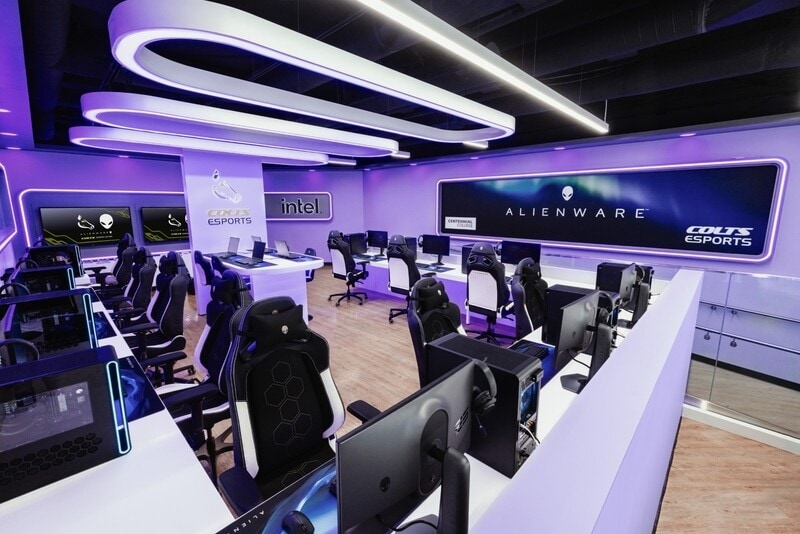
Alienware Helps Centennial College Gear Up for its New Esports Lounge
The integration of gaming lounges in educational institutions signifies a shift towards incorporating technology-driven leisure and learning experiences within academic settings.
PlayVS Acquiring Two Notable Collegiate Esports Companies
The esports industry is witnessing rapid growth through strategic acquisitions and expansions into educational institutions.
MOONTON is Working with Samsung on ML:BB Tournament
The esports industry is experiencing dynamic expansion through initiatives like collegiate tournaments, offering avenues to rethink monetization and audience engagement models.
Coca-Cola and McDonald’s Extend their Partnership with Brag House
Coca-Cola extends its partnership with Brag House, presenting an opportunity for increased brand visibility and engagement with the Gen Z demographic through the Golden Royale Cup…
Exitlag Serves as the Naming Sponsor of University Esports NA
The esports industry continues to expand with strategic branding deals, highlighting the potential for further growth and commercialization.