

Category
Tech
Desk Systems
Advanced Chemical Recycling Methods Upscale and Repurpose Plastic Waste.

Trend
Chemical Recycling: Companies are building chemical‑recycling facilities that break down plastics into reusable feedstocks through depolymerization, pyrolysis or solvent‑based processes. Brands position these methods as scalable solutions for mixed or contaminated waste streams, enabling high‑quality recycled outputs.
Insight
Consumers increasingly feel discouraged by the limits of traditional recycling, especially when everyday plastics end up in landfills despite best efforts. People want clearer proof that their waste is actually being transformed, not discarded. Chemical recycling addresses this tension by converting difficult plastics into new, high?value materials, helping users feel more hopeful, more empowered and more confident that their environmental actions have real impact.
Trend themes
Chemical-recycling technologies are expanding the value of hard-to-recycle plastics by turning mixed or contaminated waste into reusable industrial feedstocks.
Facilities producing plant-derived polymers point to new material systems that reduce fossil-plastic dependence while fitting into existing manufacturing infrastructure.
Consumer demand for proof of environmental impact is creating space for transparent waste-to-material models that show how discarded products become high-value outputs.
Industry implications
Compostable and chemically recycled materials are reshaping packaging markets by offering alternatives for single-use formats where conventional recycling falls short.
Advanced sorting, processing and conversion systems are broadening how waste operators can recover value from plastics that were previously landfilled or incinerated.
New feedstocks from recycled and bio-based sources are changing chemical supply chains by supporting lower-carbon inputs for coatings, adhesives and polymer applications.
Workshop question
Trend signals
Trend score 6.0 out of 10, from popularity 51%, activity 44%, freshness 85%.
Evidence
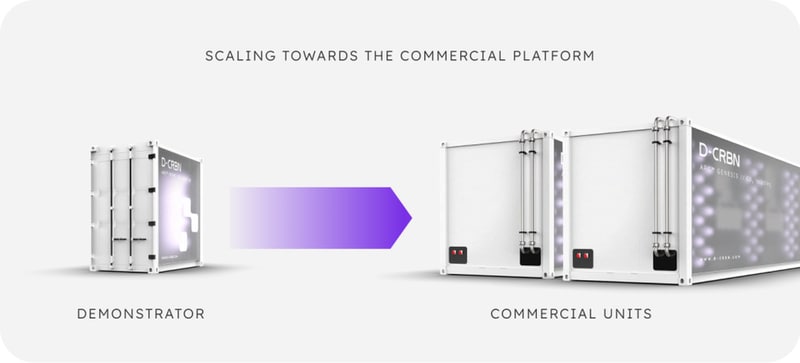
D-CRBN Raised €17.5M to Scale Its Plasma CO₂ Recycling Technology
Nth Cycle Developed Electrified Rare Earth Recycling Systems
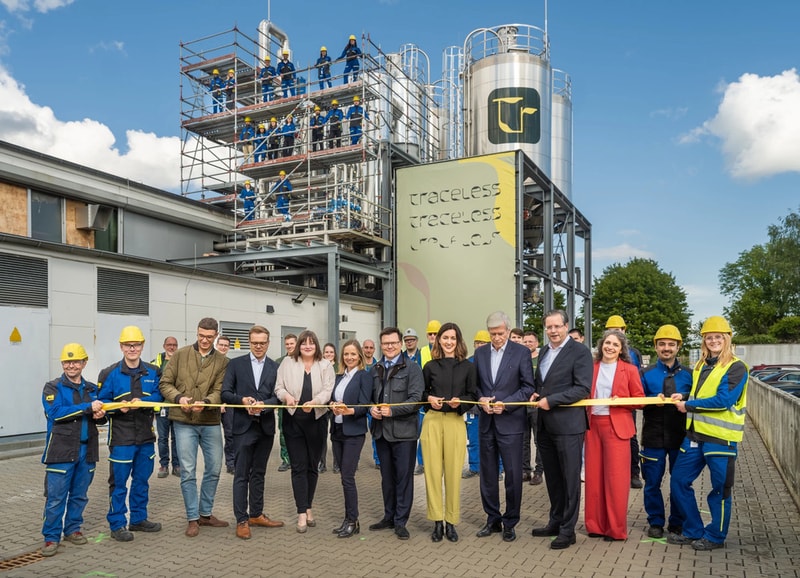
Traceless Launches Its Traceless Natural Polymer Plant
Availability of compostable polymers compatible with standard equipment offers brands novel material choices that reduce reliance on fossil-based films and coatings.
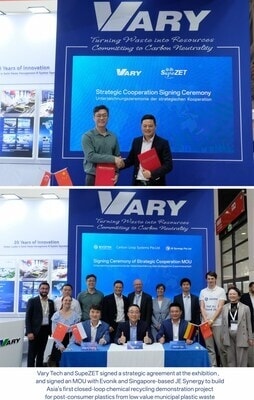
Vary Tech Converts Plastic Waste into Circular Naphtha Feedstock
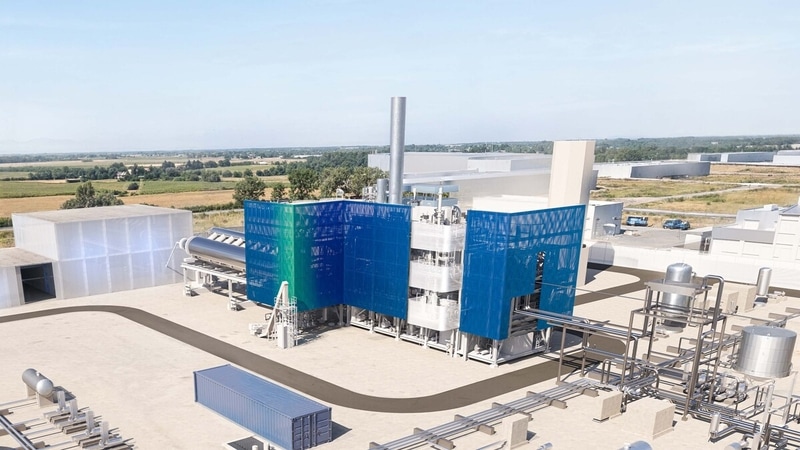
Alterra, Technip Energies, and Neste Launch Nerea