
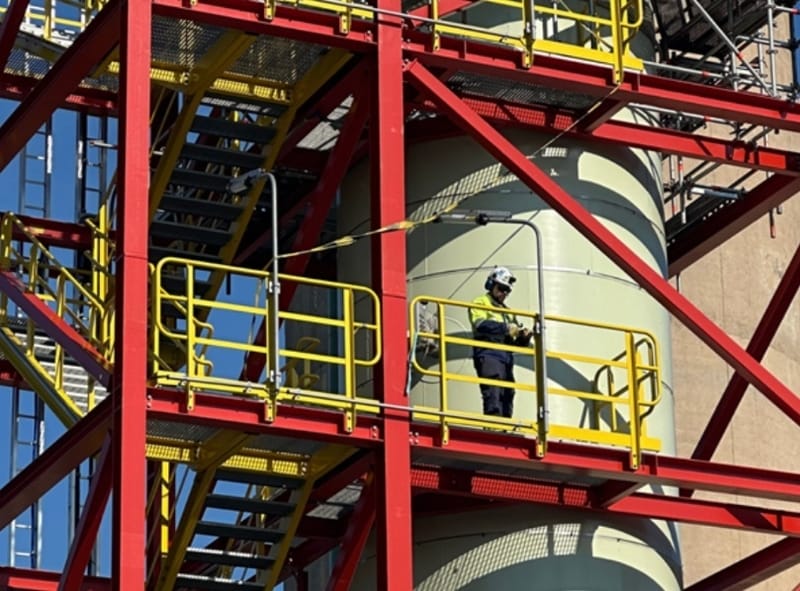
Neste commissioned a new liquefied waste plastic upgrading facility at its Porvoo refinery in Finland, featuring processing technology designed to convert mixed plastic waste into feedstock for plastics and chemical makers. The plant was introduced as an industrial-scale unit expected to handle up to 150,000 tons of feedstock annually, positioning it among the largest facilities of its kind.
The installation integrates upgrading units that refine liquefied plastic into chemical intermediates, supporting circular-feedstock supply chains for manufacturers. Neste said the facility will supply recycled feedstock to plastics and chemical industries and aligns with partnerships and refinery operations at Porvoo.
For brands and buyers, the facility increases access to large-volume recycled feedstocks, lowering reliance on fossil-based inputs and advancing circular materials sourcing. Scaling such upgrading capacity matters because it moves recycled plastics from niche outputs toward mainstream industrial supply.
Image Credit: Neste
What Makes This Trend Stand Out
- Industrial-scale Plastic Liquefaction
- Large-capacity liquefaction plants enable conversion of mixed waste streams into standardized feedstocks that can displace virgin fossil inputs at industrial volumes.
- Circular Feedstock Integration
- Bridging refinery operations with recycled intermediates creates supply-chain architectures where recycled content is blended into mainstream polymer and chemical production.
- Advanced Plastic-to-chemical Upgrading
- Refining liquefied plastics into chemical intermediates opens pathways for higher-value recovery and compatibility with existing petrochemical process units.
Sectors Adopting This
- Plastics Manufacturing
- Access to consistent high-volume recycled feedstock can reshape product portfolios toward higher recycled content and reduce exposure to crude-price volatility.
- Chemical Industry
- Integration of recycled intermediates into chemical value chains presents opportunities for reformulating supply bases and lowering lifecycle emissions of core chemicals.
- Waste Management & Recycling
- Scale-up of liquefaction facilities changes the economics of mixed-plastics collection and sorting by creating demand for lower-grade feedstocks.