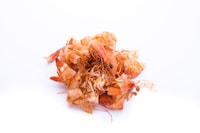

Saskatchewan Polytechnic and EnviroWay Detergent Manufacturing are converting flax and hemp fibre — crops that would otherwise be discarded or incinerated — into biodegradable, bottle-grade plastic pellets for blow-moulded cleaning product containers. The challenge is a technical one: most biodegradable plastics on the market are engineered for food packaging or compostable cutlery, not the chemical-resistant, high-speed blow moulding demands of detergent and disinfectant bottles. Researchers at the B-TAP facility are processing locally grown prairie fibre into biocomposite pellets designed to meet those specs.
Prototype bottles will be filled with real alkaline degreasers, detergents, and acidic solutions, then put through warehouse and shipping conditions to test for leaching and material degradation. Production trials will run on EnviroWay's existing Saskatoon moulds and filling systems. Backed by $257,000 in government funding, the project aims to create new commercial demand for underutilized crops while building a viable path from regional agriculture to sustainable manufacturing.
Image Credit: Packaging Europe
What Makes This Trend Stand Out
- Agricultural Waste Valorization
- Conversion of flax and hemp residues into feedstock offers a pathway to displace virgin polymers with locally sourced biocomposites in industrial applications.
- Biocomposite Packaging for Chemical Products
- Development of biodegradable pellets engineered for chemical resistance and blow-moulding performance points to alternative packaging materials for harsh formulations.
- Regionalized Circular Supply Chains
- Linking prairie crop processing with nearby manufacturing creates opportunities for shortened logistics, traceable inputs, and localized material circularity.
Sectors Adopting This
- Plastics Manufacturing
- Adoption of fiber-reinforced biodegradable resins could disrupt commodity resin markets by introducing performance-capable, bio-based alternatives for high-speed molding.
- Agricultural Inputs and Crop Diversification
- New commercial demand for flax and hemp residues may shift cropping economics and stimulate value-added processing enterprises in rural regions.
- Cleaning and Chemical Products
- Formulators and packagers of detergents and disinfectants encountering chemically resistant bioplastics may rethink product-material pairings and sustainability claims.